
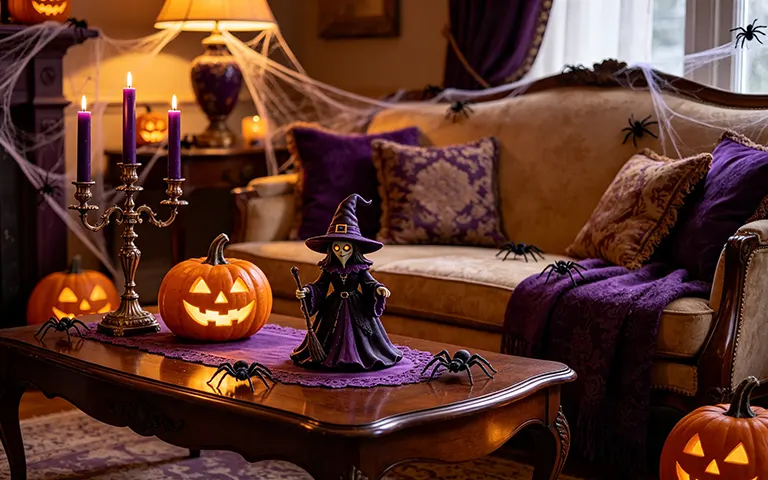
Old-fashioned spooky style

20 years of experience as a home decor consultant, specializing in furniture selection, space-conscious layouts, and practical interior solutions.
Vintage Halloween decor has a charm that’s hard to fake. Faded orange pumpkins, old-fashioned witches, black cats, and slightly imperfect illustrations bring a warmth that mass-produced decorations often miss. They make a room feel like it has a story instead of looking decorated straight out of a store aisle.
The good news? You don’t need a house full of antiques to get the look. Thrift stores, flea markets, free vintage-style printables, and even pieces you already have at home can work beautifully.
The key is restraint. A few well-chosen pieces usually create more atmosphere than covering every surface in Halloween decorations.
If you like Halloween with a nostalgic, slightly spooky feel, these 12 vintage-inspired decorating ideas are an easy place to start. You can mix old and new, spend very little, and still create a space that feels genuinely collected.
Key Takeaways
- Paper ephemera – postcards, die-cuts, and printables – is the fastest, cheapest way to establish a vintage mood without buying antiques.
- Mixing decades creates a collected-over-time feel; a 1920s postcard beside a 1990s blow mold tells a better story than matching sets.
- Lighting matters more than the objects themselves; amber bulbs and real candlelight smooth over imperfections and add instant warmth.
- Handmade touches signal authenticity better than mass-produced “vintage-style” decor from the seasonal aisle.
- Thrift stores and estate sales beat craft stores for genuine character, though hunting takes time and patience.
- A limited palette of burnt orange, deep black, mustard yellow, and dusty purple keeps mismatched pieces feeling cohesive.
- You don’t need to decorate every surface; a single well-edited vignette often carries more charm than a crowded room.
Frame Up Some Faded Halloween Postcards
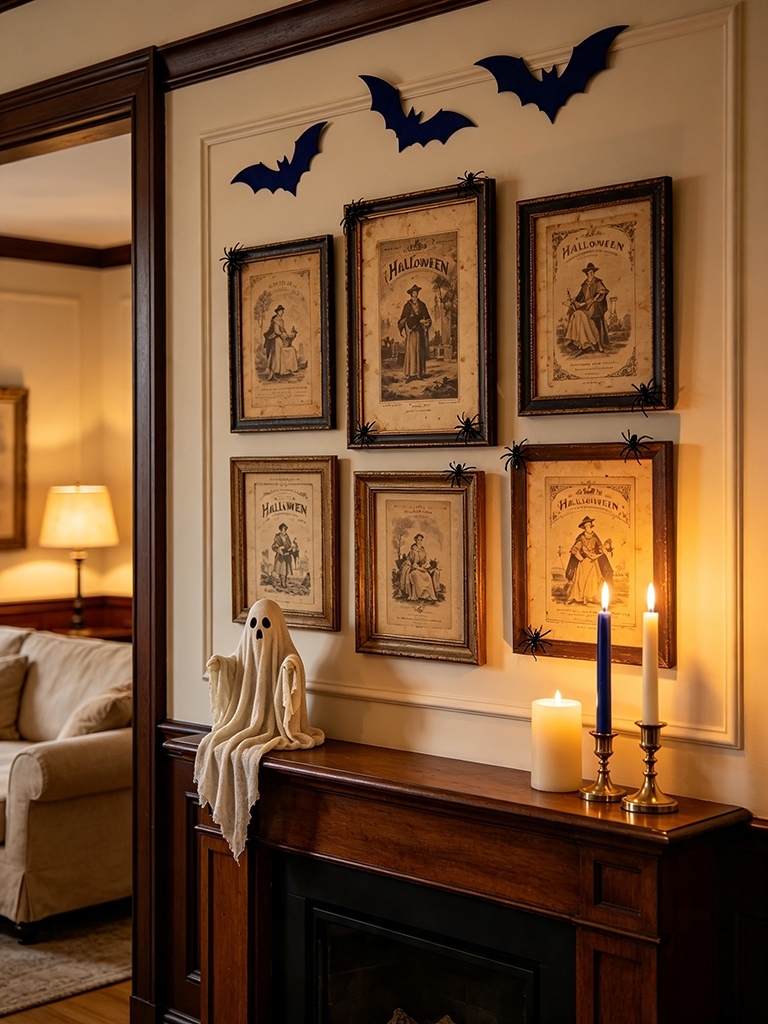
If you want instant vintage atmosphere, start with paper. Reproduction Halloween postcards and die-cuts from the early 1900s cost almost nothing as digital downloads. Print them on cardstock, distress the edges with a little sandpaper, and slip them into mismatched thrift-store frames.
I’d lean toward grouping three or five above a mantel rather than scattering them everywhere. The slightly crooked illustrations carry more charm when you can see them up close. Tuck one into a bookshelf, too, where it looks like a forgotten find.
The only real effort here is the hunt. Etsy and specialty printable shops sell bundles, but you can also dig through archive.org for genuinely free antique images. Just check the resolution before you print; a pixelated witch kills the mood fast.
|
MUST READ: |
Carve Out a Witchy Nook
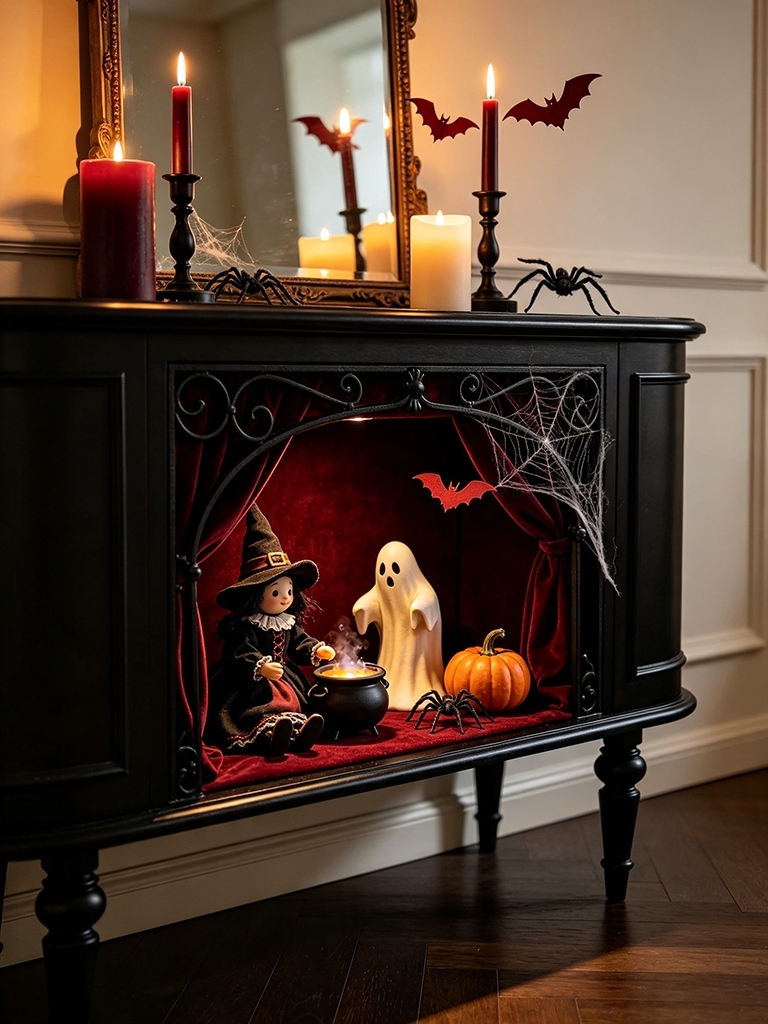
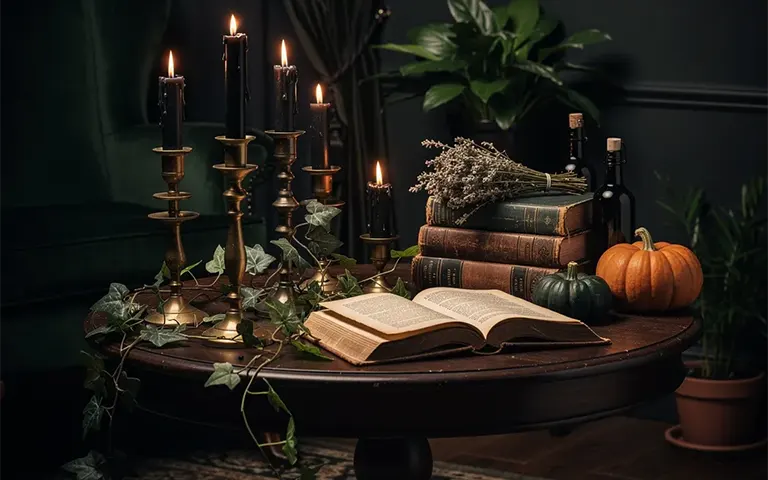
Every vintage Halloween display needs a corner that feels like a storybook illustration. Find a small side table or the end of a console and build from there. An old brass or iron cauldron – whether it’s a real antique or a dented thrift-store pot – anchors the whole thing.
Stack a few weathered books underneath, add a jar of dried botanicals, and prop a broomstick nearby if you have the floor space. I’d skip the LED candles with the fake flicker and go for real tealights in tarnished holders instead.
The smell of warm wax adds something no battery can replicate. Keep it slightly messy. A too-perfect witchy vignette looks like a store display. Let the books tilt. Let the dried leaves spill a little. The best vintage corners look like someone actually lives there.
Try Crooked, Hand-Drawn Pumpkin Faces
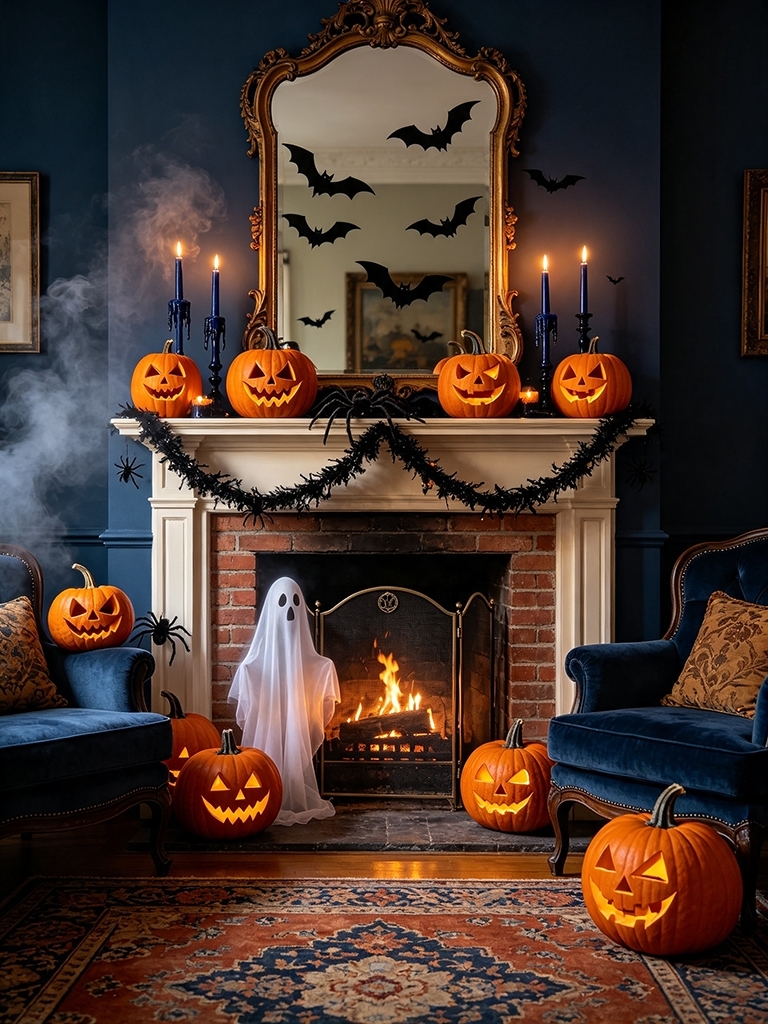
Modern jack-o’-lanterns tend to look too friendly or too graphic. Vintage pumpkin faces were weirder – lopsided triangle eyes, gap-toothed grins, noses that drifted off-center. They looked hand-carved because they usually were.
If you’re carving real pumpkins, sketch the face on paper first and embrace asymmetry. One eye bigger than the other. A mouth that doesn’t quite line up. For longer-lasting options, paper mache pumpkins take paint beautifully.
Use matte acrylics in burnt orange and ochre, then rough up the edges with fine sandpaper. I’ve seen people paint faces on small gourds, too, which sit nicely on windowsills and last weeks longer than carved pumpkins.
The key is avoiding that perfect, rounded cartoon look. A little imperfection reads as decades of history.
|
MUST READ: |
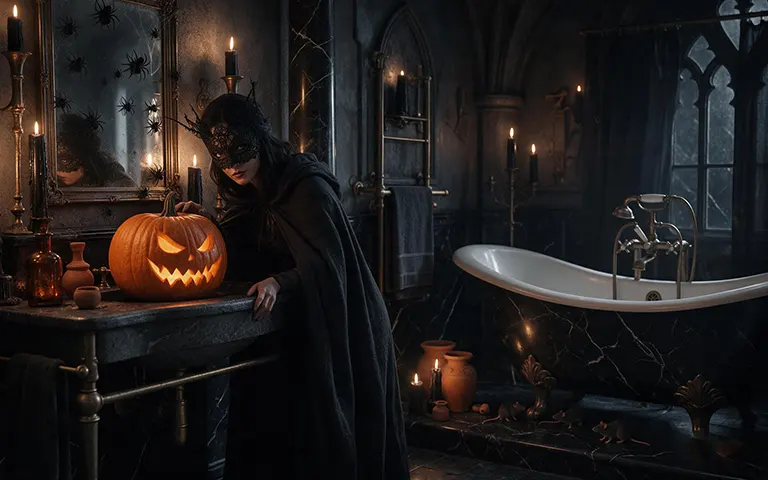
Dig Out or Hunt Down 70s Halloween Finds
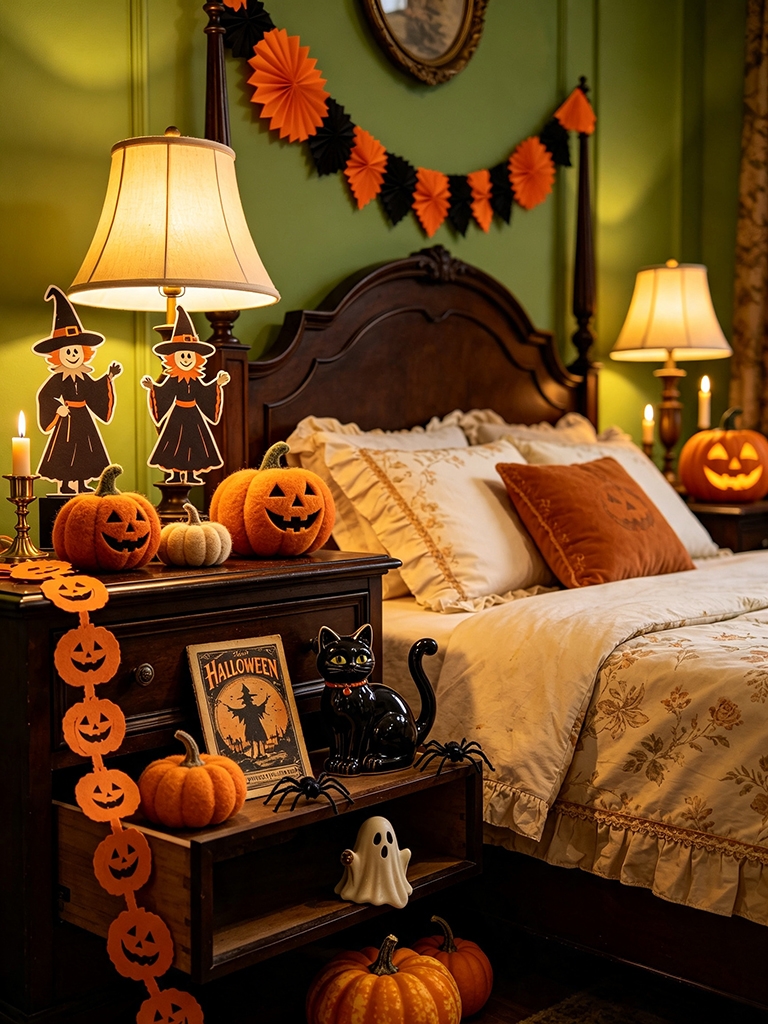
If you grew up in the 70s, Halloween probably looked a little different. Think orange-and-black paper decorations, smiling jack-o’-lanterns, cardboard witches, felt pumpkins, and those wonderfully quirky decorations that somehow survived year after year in a basement or attic.
That’s exactly what makes 70s Halloween decor so much fun today. These pieces don’t have to match perfectly. A faded paper pumpkin garland can sit beside a ceramic black cat or an old Halloween postcard and still look right at home. The mix feels collected over time rather than pulled from one store shelf.
Before you start hunting online, check your parents’ attic, basement, or old holiday storage boxes. You might already have the best pieces hiding there.

Make Your Own Honeycomb and Paper Decorations
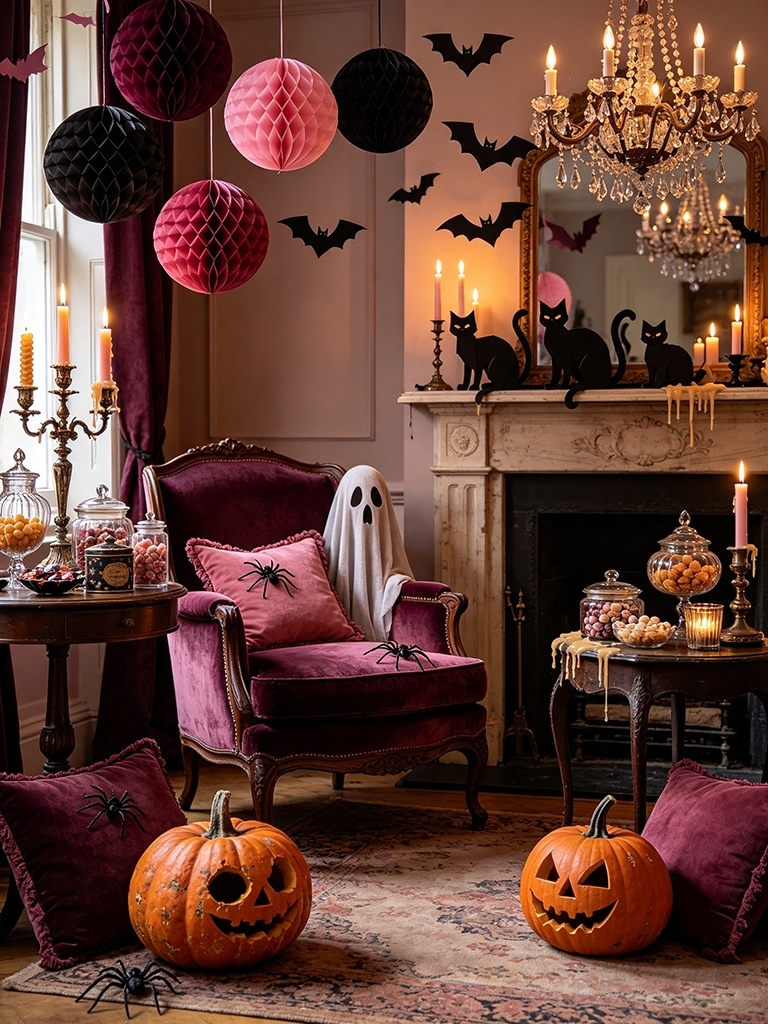
There’s a particular satisfaction in making decorations the way people did before party stores existed. Crepe paper honeycomb balls, folded paper black cats, and old-fashioned candy containers all feel more authentic when your hands actually touched them.
Honeycomb decorations are easier than they look. You cut matching shapes from tissue paper, glue thin strips along the edges, and open them like an accordion. They store flat, which is a practical bonus most people overlook until January cleanup rolls around.
If you’re not crafty, start small. A single paper pumpkin or a garland of black cats strung across a doorway reads as vintage without requiring an entire weekend. The slight wonkiness of handmade work is exactly what sells the look.
Age New Pieces with Tea Stains and Sandpaper
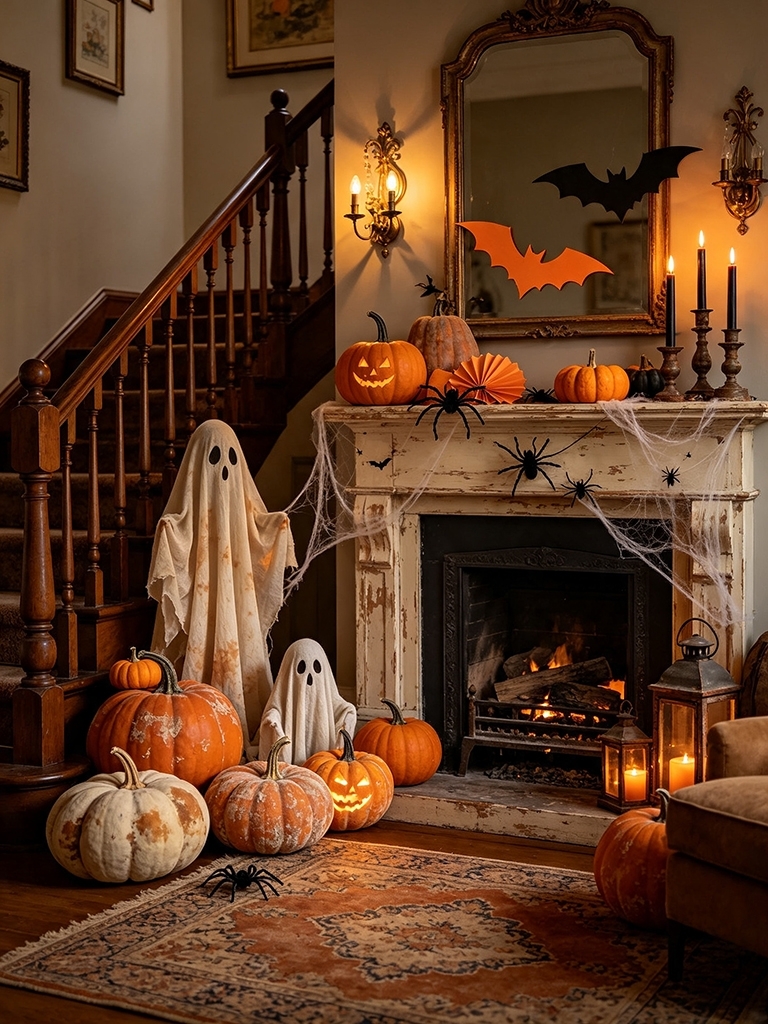
Not everything needs to be a genuine antique. Sometimes you find a perfectly shaped tin or a clean wooden box at the thrift store and it just needs a little help. Aging new-to-you pieces is a useful skill in vintage decorating.
Tea staining works on paper, fabric, and even some plastics. Brew strong black tea, let it cool, and brush it on in thin layers. Build the color slowly rather than dunking the whole object.
For wood and metal, light sanding along edges and corners mimics years of handling. I’d caution against over-aging everything.
If every single piece looks like it survived a century in a barn, the display starts to feel staged. Mix one or two distressed items with cleaner vintage finds for balance.
Set a Table That Looks Collected, Not Bought
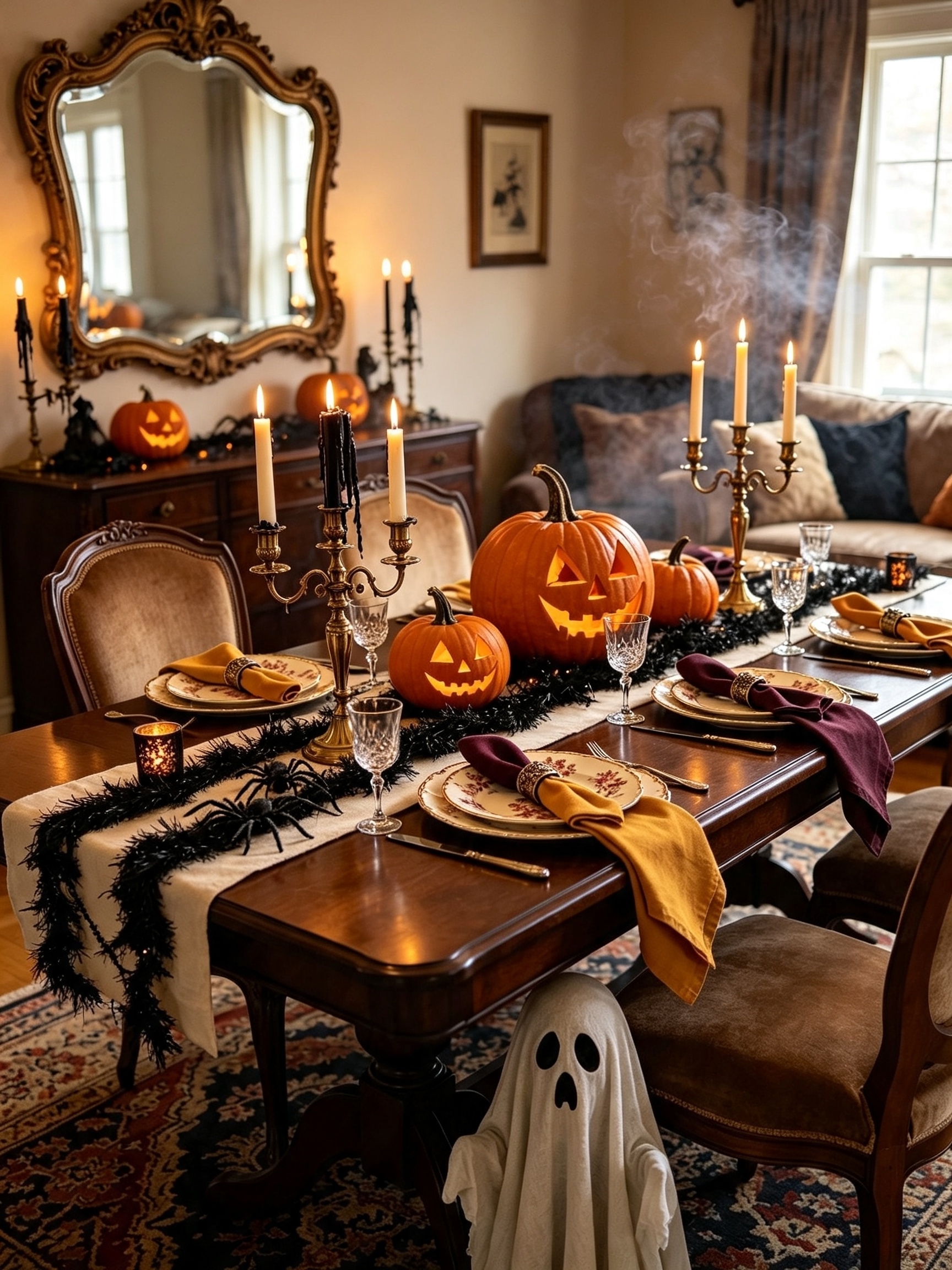
A whimsical Halloween tablescape doesn’t require matching dishware from a seasonal collection. In fact, mismatching is the point. Pull together odd brass candlesticks, vintage dessert plates with faded floral patterns, and cloth napkins in mustard or deep plum.
Layer in natural elements: dried seed pods, a few small pumpkins, maybe a sprig of bittersweet if you can find it. Tuck an old postcard under each plate as a place card.
The overall effect should look like you raided your grandmother’s cabinets rather than a party supply aisle. The trade-off is cleanup.
Real candles drip wax. Dried leaves shed. If you’re hosting a dinner where people will actually eat, leave the center low enough for conversation and skip anything too fragile near the wine glasses.
Stick to the Muted Classic Palette?
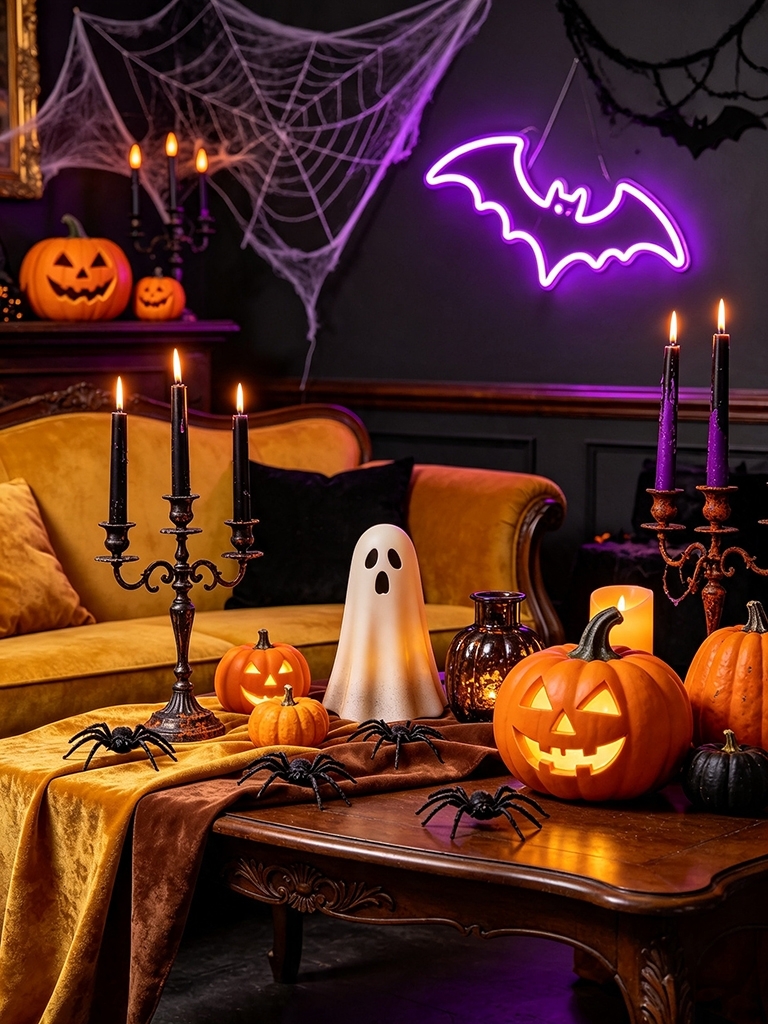
Bright neon orange and electric purple read as modern party store. Vintage Halloween lives in burnt orange, deep black, mustard yellow, and dusty purple. These colors feel like October light – lower, warmer, slightly faded.
If you already own decorations in harsher shades, don’t toss them. Spray paint works wonders on plastic and metal. A coat of matte black or rust-colored paint can unify mismatched pieces quickly.
For fabric items, Rit dye in golden yellow or cocoa brown shifts the tone without much effort. When in doubt, add more black.
It grounds the warmer colors and keeps the display from looking like a candy wrapper. A black table runner or a few black taper candles can pull together even the most random collection of vintage finds.
|
MUST READ: |
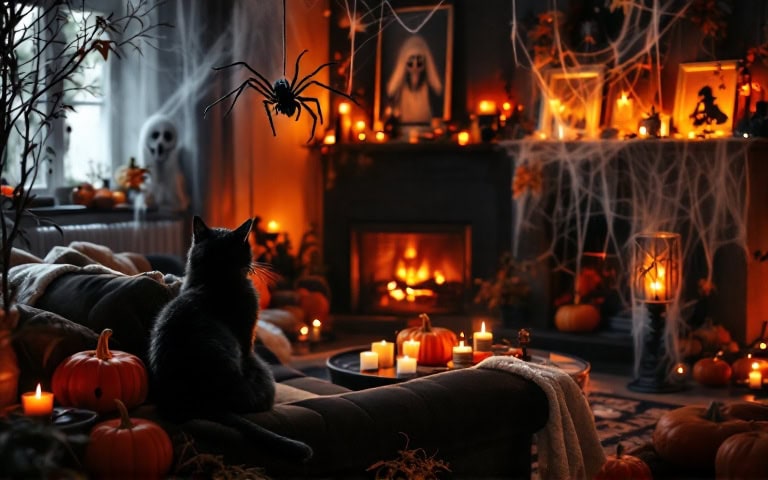
Score Authentic 90s Halloween Decor at Estate Sales
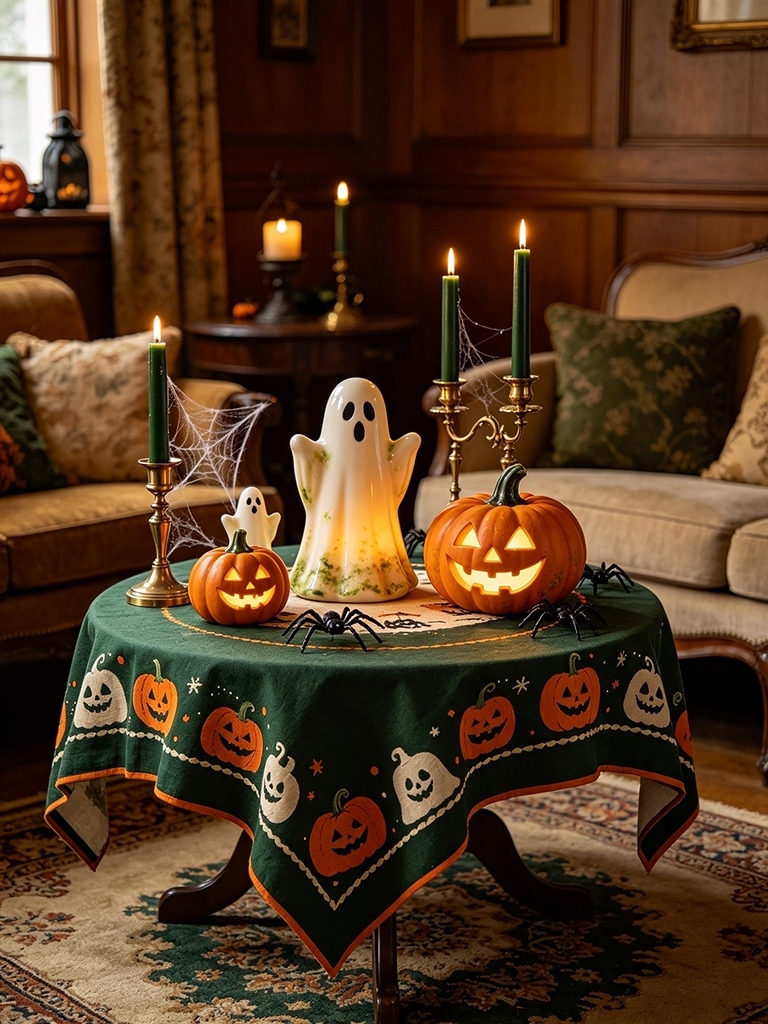
Thrift stores and estate sales are where vintage Halloween decor actually lives. The good stuff rarely shows up in craft stores, and online prices have gotten inflated by resellers who know exactly what keywords to use.
At estate sales, look for ceramic figurines, printed cotton tablecloths, and those plastic blow molds people stored in garages for decades. Early mornings get the best selection, but late afternoons often bring discounts. Bring cash and a bag.
The reality is that hunting takes time. You might visit three sales and find nothing. That’s normal. When you do score – a ceramic black cat for three dollars or a complete set of paper die-cuts in a shoebox – it feels earned.
Study Old Catalogs for Layout Ideas
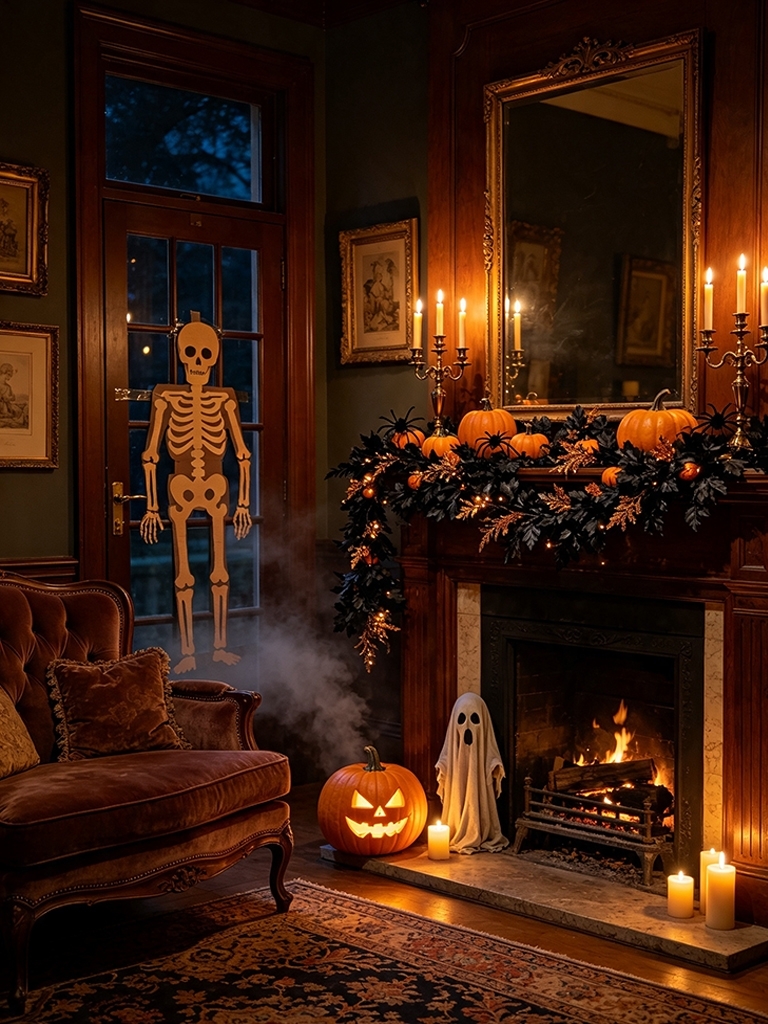
Before Pinterest, people decorated using whatever arrived in the Sears catalog or the local newspaper insert. Those layouts were simpler than what we see online now: a few paper decorations, a pumpkin, maybe a string of lights.
Old magazines and catalogs show you how little you actually need. A garland across a mantel. A single illuminated pumpkin in the window. A cardboard skeleton taped to the front door. The restraint is what makes it feel vintage.
You can browse digitized catalogs on archive.org or Etsy for inspiration. Don’t copy them exactly; use them as a starting point to build something that fits your actual space. A tiny apartment doesn’t need the same treatment as a farmhouse parlor.
Swap Harsh Bulbs for Amber Glow and Candlelight
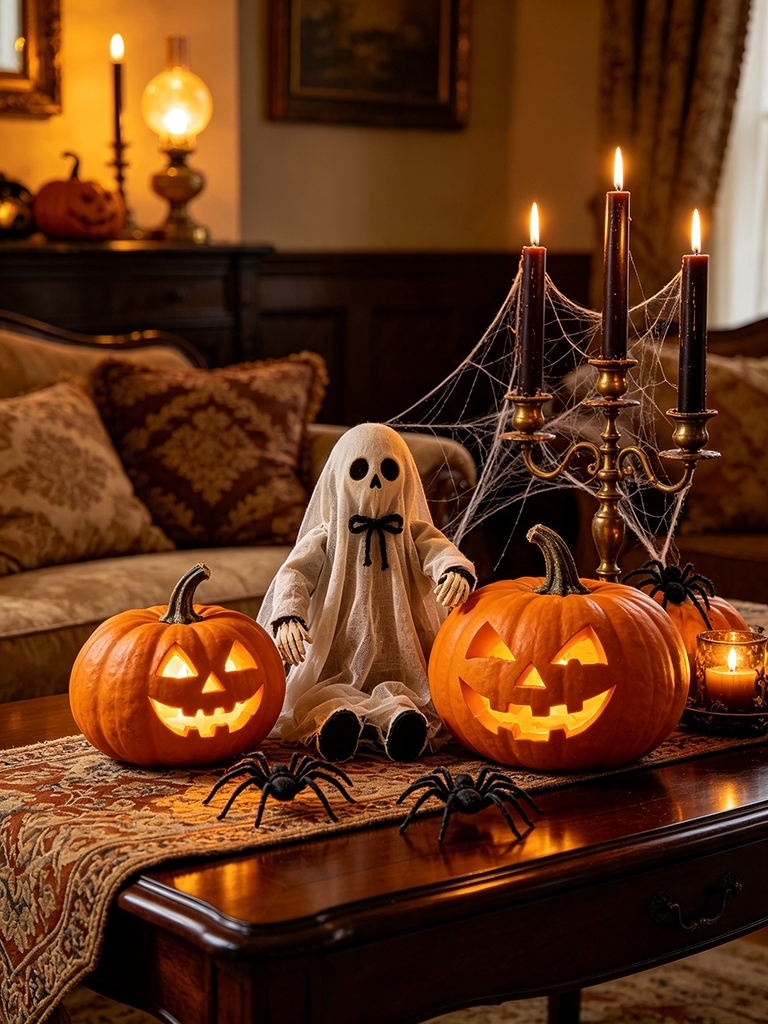
Lighting transforms vintage decor more than almost anything else. Harsh white LEDs make aged paper and tarnished metal look cheap. Warm amber bulbs or actual candlelight smooth over imperfections and add depth.
String lights in a warm white or amber tone work anywhere – along a mantel, woven through a centerpiece, or tucked behind framed postcards. For safety, I prefer real candles in holders and battery-operated tapers in places where I’ll forget about them.
The best option is usually a mix of both. Old-fashioned lanterns cast interesting shadows that modern fixtures can’t replicate. Place one on the floor in a corner and let it flicker upward. It’s the fastest way to make a room feel like a different era.
Blend Decades Instead of Matching Them
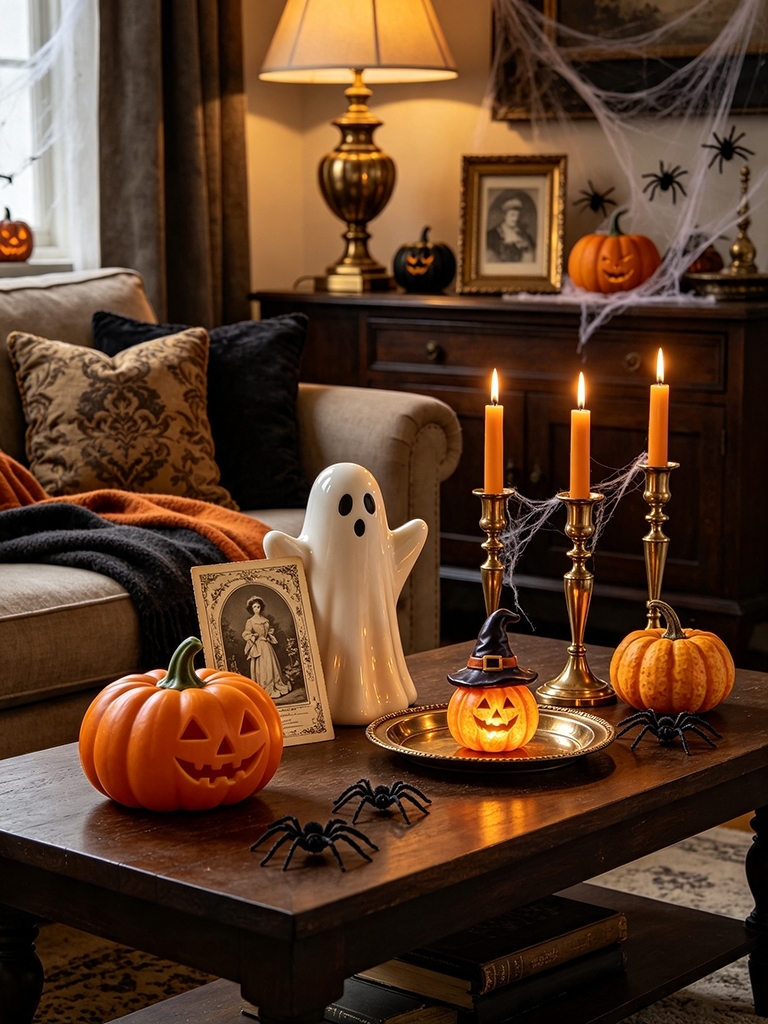
The most interesting vintage displays refuse to commit to one era. A Victorian postcard next to a 1970s ceramic ghost and a 90s plastic pumpkin tells a story about how Halloween decorations moved through one household over time.
To pull this off without chaos, repeat one element across the mix. Use the same color palette, the same type of frame, or the same material like brass or wood. That common thread keeps the eye from bouncing around.
If you’re nervous about mixing, start with two eras. Pair early paper ephemera with one decade of three-dimensional objects. Once that feels natural, add a third. The goal is collected, not curated. Nobody’s grandmother decorated by historical accuracy.
|
MUST READ: |
FAQ
What’s the cheapest way to start with vintage Halloween decor?
Free printable postcards from digital archives cost nothing but ink and paper. Thrift a few mismatched frames and you’ve got a mantel display for under ten dollars. Start there before buying anything else.
How do I keep vintage Halloween decor from looking cluttered?
Edit aggressively. Choose one or two surfaces to decorate and leave the rest alone. A crowded room feels like storage; a sparse room with a few meaningful pieces feels like a story. When in doubt, remove one item.
Are reproduction vintage printables as good as originals?
For display purposes, absolutely. A high-resolution reproduction in a good frame looks identical across a room. Originals matter if you’re collecting, but for seasonal decorating, save your money and print the reproductions.
Where’s the best place to find real 90s Halloween decorations?
Estate sales, Facebook Marketplace, and your own family’s storage bins. Thrift stores sometimes carry them, but resellers have gotten savvy. Ask older relatives first; they might have boxes they’ve been meaning to clear out.
Can I mix vintage Halloween decor with modern pieces?
Yes, and you probably should. A modern sofa or light fixture gives vintage decorations something to contrast against. The mix keeps the room from feeling like a set. Just stick to the muted color palette to tie everything together.
Conclusion
Vintage Halloween decor works because it carries weight. These pieces remind us of hands that made them, attics that stored them, and years of Octobers that softened their edges. You don’t need a roomful of antiques to capture that feeling.
Start with paper ephemera, add one or two three-dimensional finds, and let warm lighting do the rest. Hunt slowly, edit ruthlessly, and trust the imperfect.
The best displays grow piece by piece until your home feels like it’s been celebrating Halloween for generations. This year, skip the neon aisle and build something that lasts.

Enjoying our content? Make us a preferred source on Google.




Add comment