
Minimal effort, big impact

20 years of experience as a home decor consultant, specializing in furniture selection, space-conscious layouts, and practical interior solutions.
Walk into your home right now. What do you feel? Does chaos greet you at the door? I used to dread crossing my own threshold. Clutter crept in slowly until I couldn’t see the surfaces anymore. I needed a fix that didn’t cost a fortune or require a weekend of hard labor. I found the answer in a simple math equation.
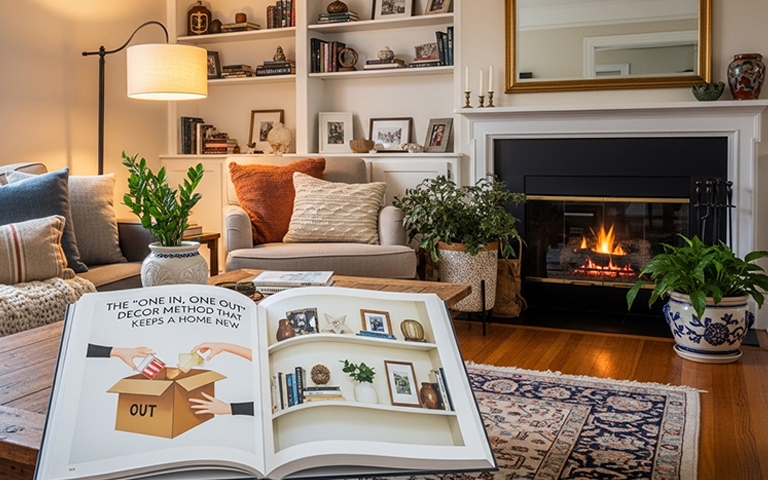
The “One In, One Out” rule changed everything for me. It costs zero dollars and requires minimal effort. You remove one item every time you bring something new inside. This habit keeps your space breathable and intentional. You deserve a home that feels like a sanctuary, not a storage unit.
What Exactly Is the One In, One Out Rule?
People overcomplicate decluttering strategies all the time. They buy bins, labels, and complex systems. I prefer simplicity because I actually stick with it. The concept remains straightforward and brutally effective.
The Core Concept
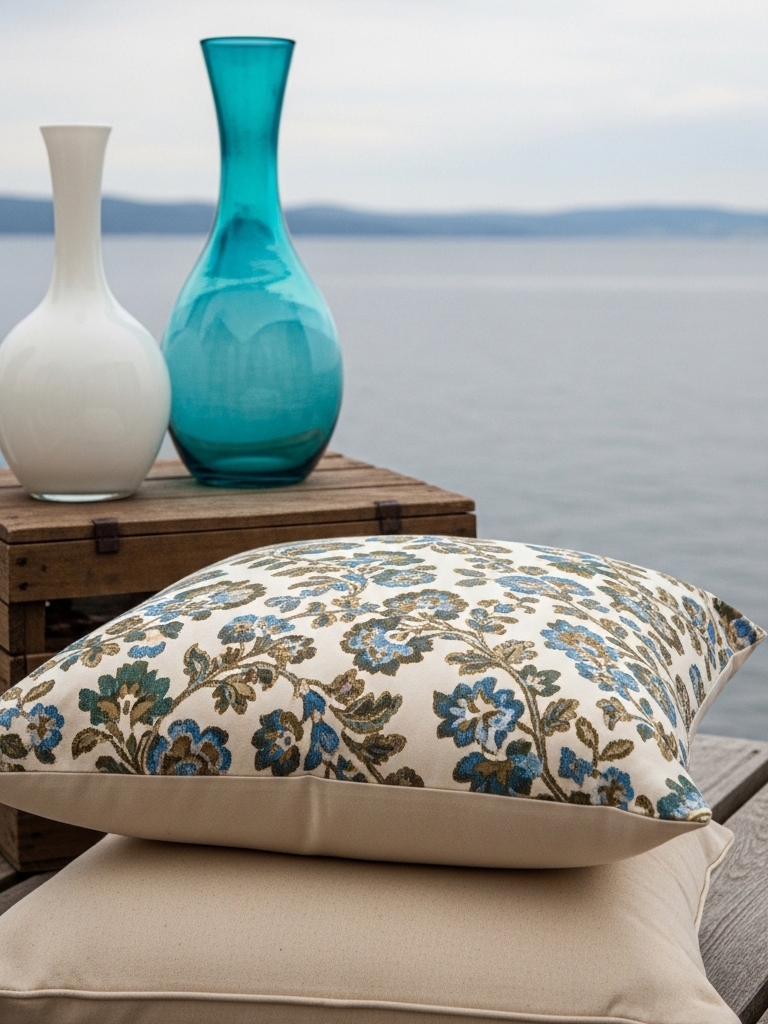
You buy a new vase? An old one leaves the house. Did you purchase a new throw pillow? Donate the faded one immediately. Every new item demands a departure. This balance prevents accumulation before it starts.
Think of your home like a lifeboat. It has limited space for passengers. If you let everyone on board, the boat sinks. Your square footage dictates your capacity. Respect the limits of your physical space.
Why It Works Better Than Big Purges
Big decluttering marathons exhaust you quickly. You start strong on Saturday morning. By Sunday, you quit and keep the junk. The One In, One Out method completely avoids burnout.
You make small decisions consistently over time. These micro-actions add up to massive change. Consistency beats intensity every single time. You never face a mountain of mess again.
|
MUST READ: |
The Psychology Behind the Chaos
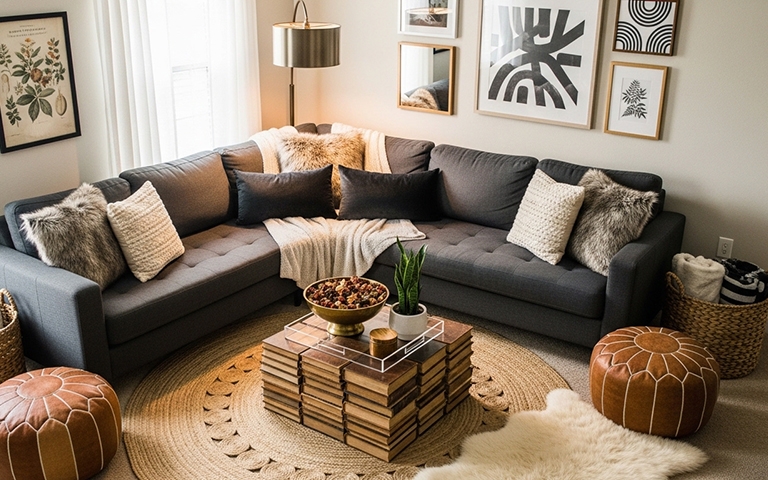
Clutter affects your brain more than you realize. Visual noise creates mental noise. I noticed my anxiety dropped when my surfaces cleared up. You might not link your stress to your stuff, but you should.
Visual Stress Triggers
Your eyes scan your environment constantly. Piles of mail or random knick-knacks demand attention. Your brain processes these items as unfinished tasks. Clutter signals incomplete work to your subconscious. Clear spaces signal rest.
I tested this theory in my own living room. I cleared the coffee table completely for one week. My focus improved during evening reading sessions. You feel calmer when your eyes have nowhere to land but peace.
The Sunk Cost Fallacy
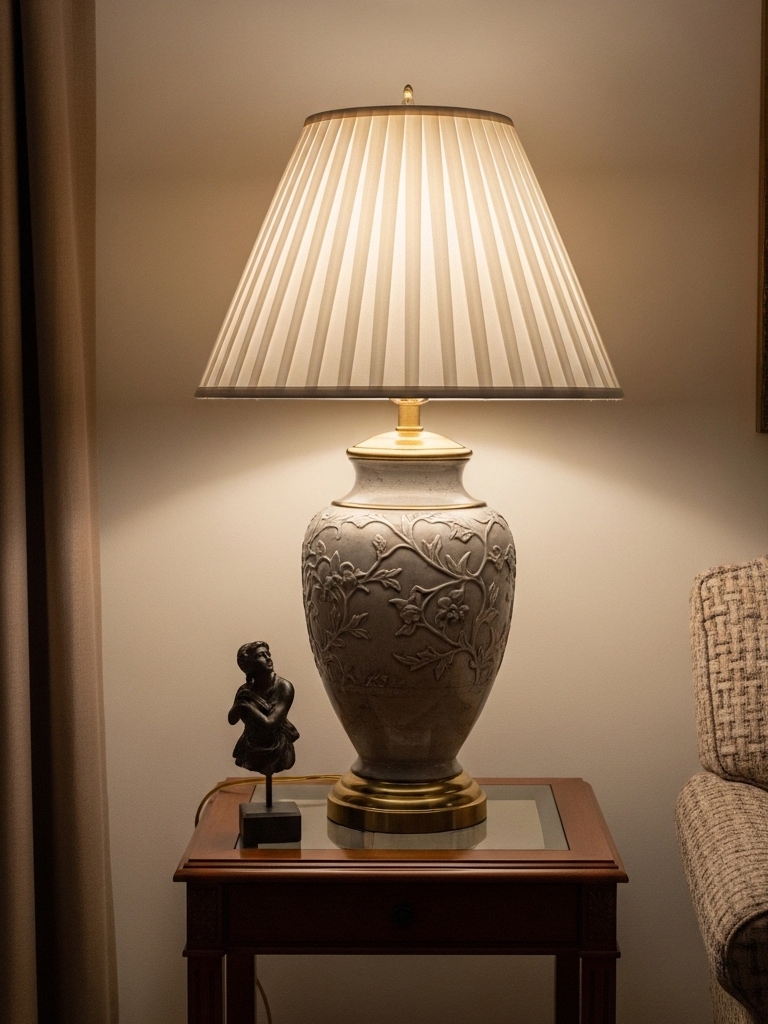
We keep things because we spent money on them. That expensive lamp sits unused because you feel guilty tossing it. Holding onto it hurts you more than letting it go. Guilt belongs in the trash with the item. Release the emotional weight immediately.
I donated a pricey sculpture last year. It never fit my style, but I hated wasting the cash. Keeping it wastes my space every single day. Letting it go freed up mental energy for things I love.
How to Execute Without Losing Your Mind
Rules sound easy until life gets in the way. Gifts arrive, kids bring home crafts, and sales tempt you. You need a solid plan to handle these curveballs. Flexibility keeps the system sustainable for the long haul.
Defining “Out”
Where does the old item go? You have three main options for removal. Choose the path that fits the item’s condition.
- Donate: Give usable items to charities or friends.
- Sell: List valuable pieces on marketplace apps.
- Trash: Recycle or discard broken goods immediately.
Define the exit strategy before you buy. Knowing where the old item goes removes hesitation. You won’t stash it in a closet “for later.” Later never comes, so act now.
Handling Gifts and Sentimental Items
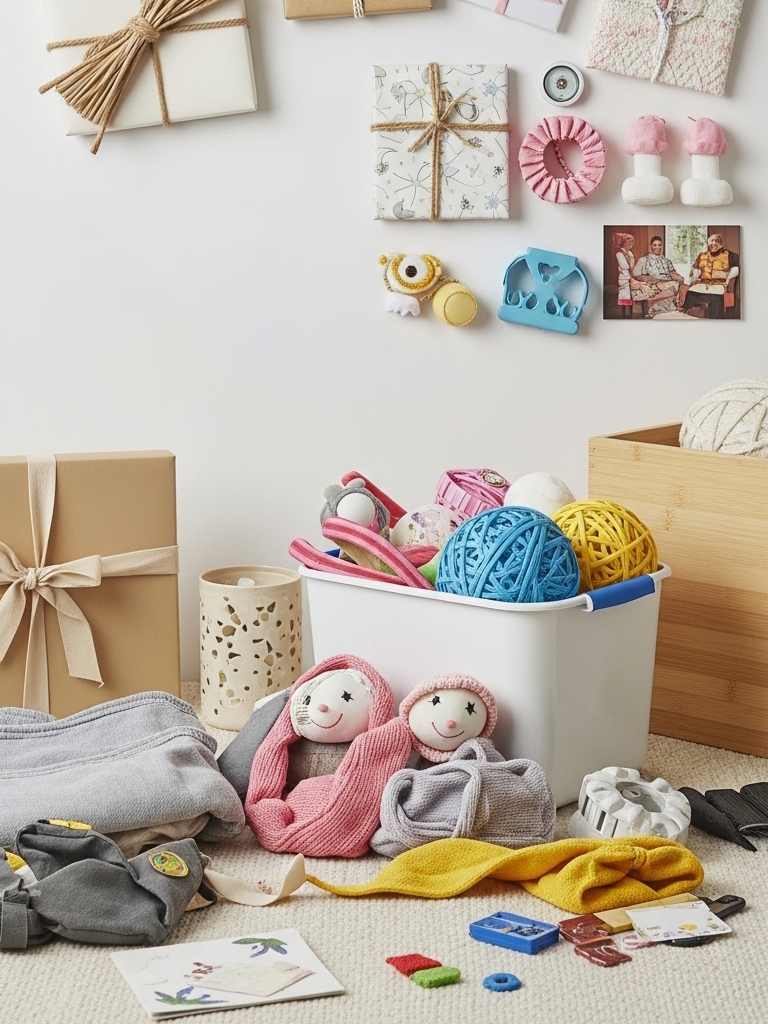
Gifts create the biggest loopholes in this system. You feel rude tossing something Aunt Linda gave you. Keep the sentiment, not the object. Take a photo of the item and then let it go.
Sentimental items need a dedicated box with a size limit. Once the box fills up, you must remove something to add anything new. Physical memories occupy physical space. Choose only the most meaningful pieces to keep.
I keep a small bin for childhood treasures. When it overflows, I review the contents critically. Some items lose their magic over time. Let go of the things that no longer spark joy.
|
MUST READ: |
Common Pitfalls and How to Avoid Them
You will try to cheat the system. I know I did. Human brains excel at finding loopholes in rules. Stay honest with yourself to maintain the benefits.
The “Temporary Storage” Trap
You tell yourself you will deal with the old item later. You put it in the garage or the back of a closet. That item becomes permanent clutter instantly. Temporary storage is a lie you tell yourself. Deal with the removal immediately.
I used to stack donation bags by the door. They sat there for months until I needed the space. Now I drive them to the drop-off center the same day. Immediate action prevents procrastination. Treat the removal like a non-negotiable appointment.
Counting Sets as One Item
Don’t group ten candles as “one item.” That defeats the entire purpose of the rule. Count each piece toward your total. Volume matters more than category. Ten small things create as much mess as one big thing.
I tried counting a set of books as one unit once. My shelves overflowed within weeks. I switched to counting each book individually. The system worked perfectly after I adjusted the math.
Real-Life Examples From My Living Room
Theory helps, but examples stick. I apply this rule to every corner of my home. Here is how I handle specific decor categories. You can copy these swaps directly.
Textiles and Soft Goods
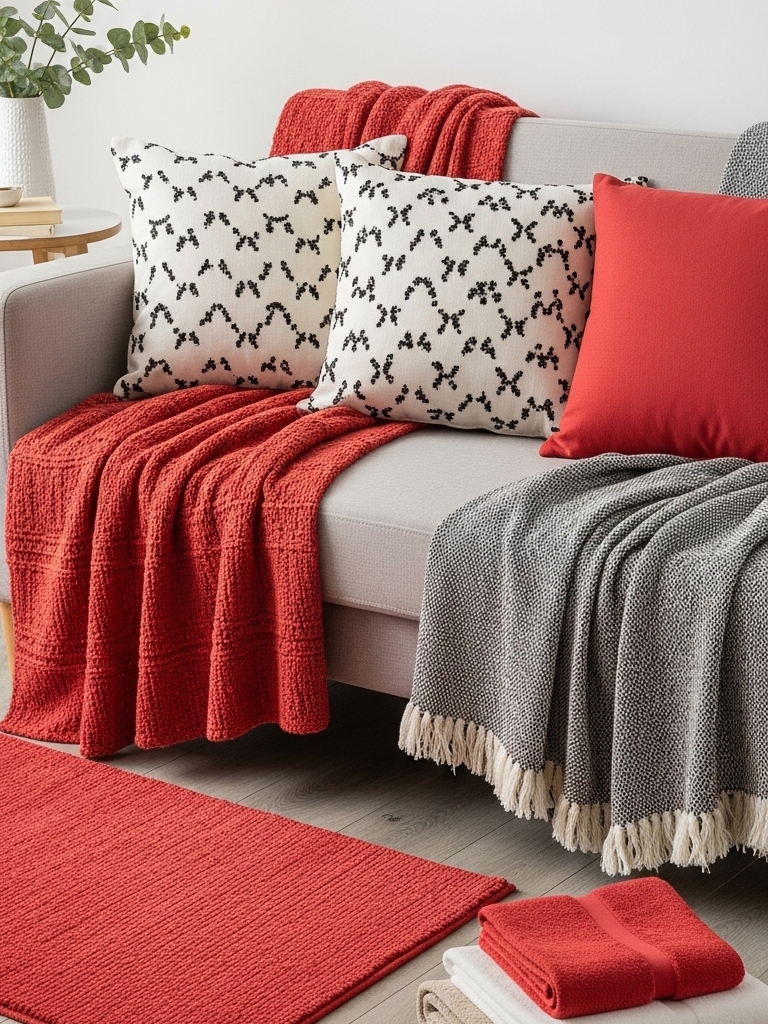
Pillows and blankets accumulate faster than anything else. I limit myself to four throw pillows on the sofa. If I buy a new pattern, an old one leaves. Rotating textiles keeps the look fresh. You get a new vibe without buying more stuff.
I also apply this to towels and rugs. A new bath mat means the frayed one goes. Fresh linens make the bathroom feel like a spa. Quality over quantity always wins. You enjoy what you own more when you own less.
Art and Wall Decor
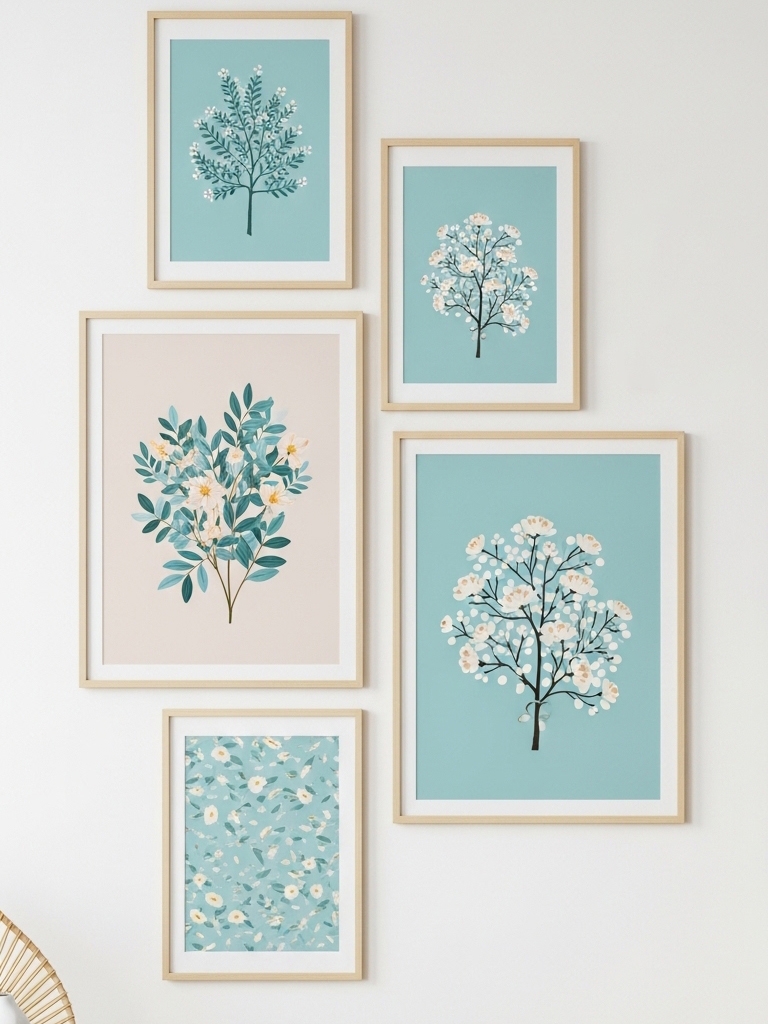
Wall space feels finite, but clutter creeps in there, too. I swap out framed prints seasonally. One new piece goes up, one comes down. Rotation prevents visual fatigue. Your eyes appreciate the change regularly.
I store the removed art in a flat portfolio case. I might use it again next year. This method keeps my walls dynamic without expanding the collection. Curate your walls like a gallery. Galleries change exhibits, and so should you.
Kitchen and Dining Items
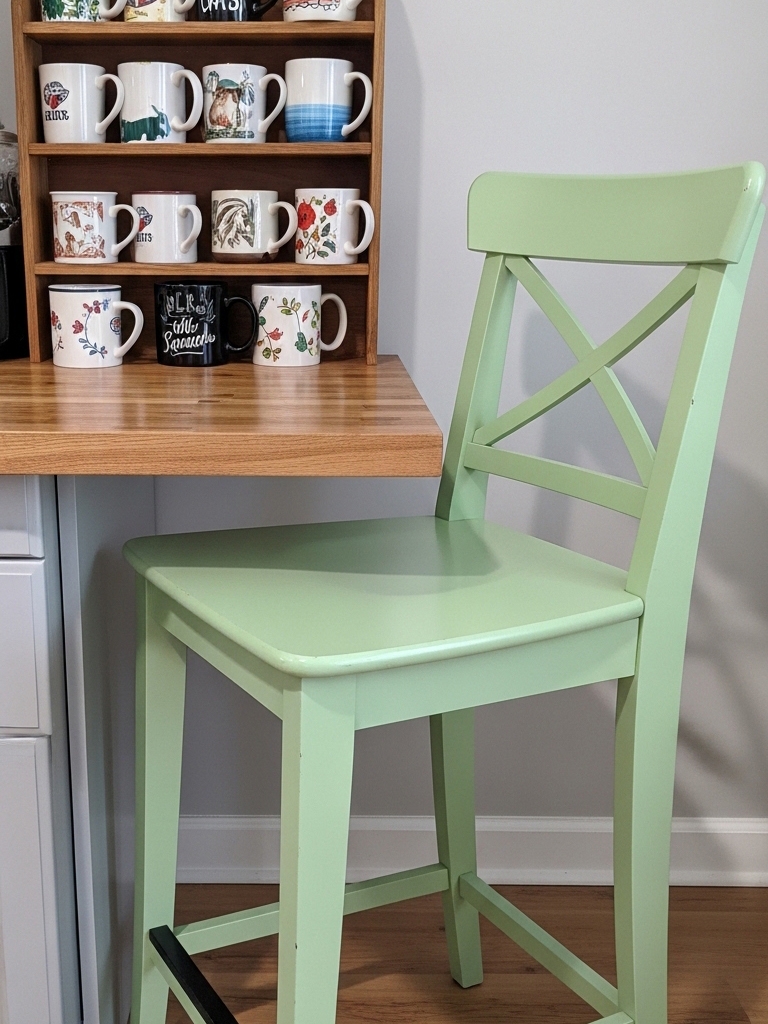
Mugs multiply like rabbits in most homes. I keep only my favorite six mugs in the cupboard. A new souvenir mug means an old chipped one exits. Drink from things you actually love. Why use a cracked cup when you have better options?
Dining chairs follow the same logic. If I buy a new stool, an old one sells online. Functional items deserve prime real estate. Don’t let broken furniture occupy your floor.
|
MUST READ: |

Maintenance and Long-Term Success
Starting feels easy. Maintaining the habit requires vigilance. You must protect your space from creeping entropy. Entropy loves to sneak back in when you relax.
Monthly Check-Ins
Schedule a quick review every month. Walk through each room with a critical eye. Spot items that slipped through the cracks. Regular audits keep the system honest. You catch problems before they become piles.
I set a calendar reminder for the first of each month. I spend fifteen minutes scanning surfaces. I find one or two things to remove each time. Small adjustments prevent major overhauls. You stay ahead of the mess consistently.
Teaching Others in the Household
Your partner or kids might not know the rule. Explain the system clearly to everyone living there. Make it a family goal rather than a solo mission. Shared responsibility reduces friction. Everyone benefits from the clear space.
I created a simple chart for my kids. They earn a small privilege when they swap toys. They understand the value of space now. Involve everyone to ensure compliance. A team effort works better than a dictatorship.
Final Thoughts on Living Lighter
You hold the power to change your home today. The One In, One Out rule costs nothing but discipline. You gain space, clarity, and peace of mind. Your home should support your life, not hinder it.
Don’t wait for the perfect moment to start. Pick one item to remove right now. Then buy something new only after that step. Action creates momentum. You will feel the shift immediately.
IMO, this method beats any expensive organization system. It respects your budget and your sanity. FYI, your future self will thank you for starting today :). Go clear that surface and enjoy the breath of fresh air. Your sanctuary awaits.




Add comment