


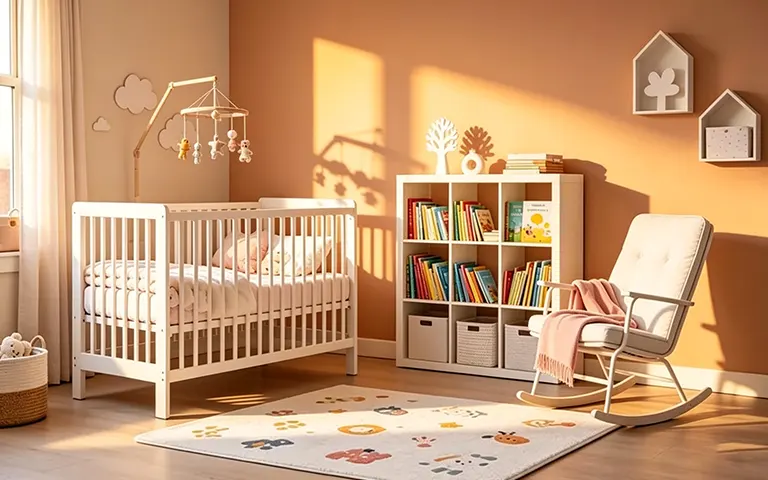
DIY nursery decor

20 years of experience as a home decor consultant, specializing in furniture selection, space-conscious layouts, and practical interior solutions.
Budget nursery ideas for decor isn’t about buying less – it’s about choosing the right design elements. Interior designers consistently recommend focusing on a cohesive color palette, layered textures, soft lighting, and meaningful personal touches rather than expensive furniture or trendy accessories. A thoughtfully designed nursery can feel warm, stylish, and timeless without stretching your budget.
I learned that firsthand while decorating my daughter’s nursery. I repainted the room three times; once because I disliked the color, once because I accidentally bought the wrong paint finish, and once because she decided to arrive two weeks early. Those mistakes taught me that a beautiful nursery isn’t created by spending more money. It’s created by making intentional choices.
In this guide, you’ll discover 13 budget nursery decor ideas that make a baby’s room feel cozy, polished, and personal. From affordable wall art and DIY accents to smart storage and simple styling tricks, these ideas will help you create a nursery that looks thoughtfully designed while staying within your budget.
Walls That Do the Heavy Lifting (Without the Price Tag)

Your walls are the biggest surface in the room, and they’re also where a small budget goes furthest. This is where I’d start if I were doing it again.
Removable wallpaper on one wall. A full room of wallpaper adds up fast, but a single accent wall behind the crib runs $6-$60 for a peel-and-stick roll from Amazon or Walmart. Wayfair and 2Modern carry pricier designer patterns if you want something with a little more polish, and Crate & Barrel has a few graphic prints that read more grown-up than nursery. Go with a soft botanical or a subtle stripe. Skip the cartoon characters; you’ll want this room to age with the kid, not against them.
Framed printable art. Etsy printables cost $5-$15 each, and thrifted frames from a secondhand shop run $3-$10, though Amazon and Walmart both sell basic wood frame multipacks if you’d rather skip the treasure hunt. Print three or four at a local shop for a few dollars, group them in mismatched frames, and you’ve got a gallery wall for under $40 total. I’m still not totally sure why this trick works as well as it does, but it does.
Lighting That Makes Everything Feel Softer

Overhead lighting in most nurseries is harsh and clinical, honestly. Fixing that is one of the cheapest upgrades you can make, and it changes the room’s entire feel within minutes.
Warm-toned fairy lights. A set of battery-operated string lights costs $10-$18 at Amazon or Walmart and can wrap a bookshelf, frame a window, or drape along a canopy rail. Stick to warm white, never cool white. Cool white makes a nursery feel like a hospital room, and no amount of cute decor fixes that.
A single budget lamp. Swap the harsh overhead light for a soft table lamp during nighttime feeds. You’ll find decent ceramic or rattan-base options for $20-$75 at Walmart or Amazon, and if you want something a touch more refined, Wayfair and Crate & Barrel both stock small-scale lamps in the $75-$170 range that still feel intentional next to a glider. Your future 3 a.m. self will thank you.
|
MUST READ: |
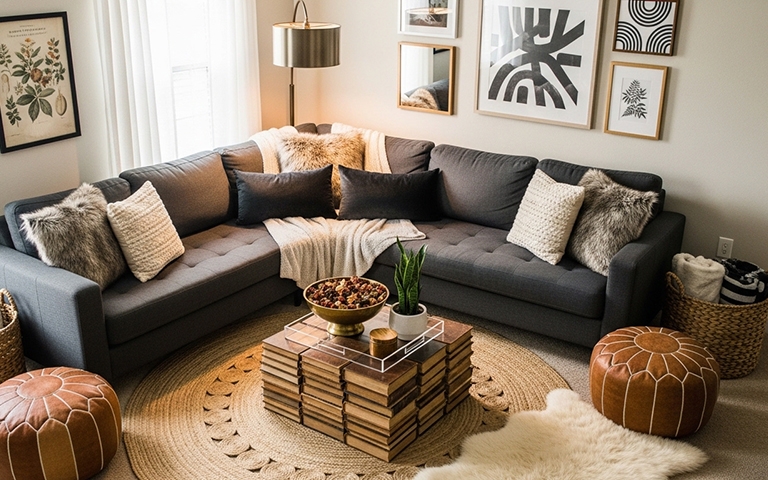
Layer In Texture With Rugs and Textiles

This is the part people skip, and it’s the part that makes a room feel finished instead of half-decorated.
A budget area rug. A soft rug under the glider or crib grounds the whole room. You don’t need a $400 wool piece. A synthetic shag or flatweave from Amazon or Walmart in the $40-$80 range looks nearly identical from across the room and holds up fine to the spit-up years. Crate & Barrel is worth a look if you eventually want to upgrade to something more durable and heirloom-quality. Buy the size you think you need, then go one size up.
Ready-made curtains, not custom. Skip the custom drapery quotes entirely. Blackout curtain panels from Amazon or Walmart run $25-$45 a pair, while Frontgate carries a lined, more tailored option if you want hotel-level darkness and don’t mind paying for it. Ready-made panels matter more for sleep than almost anything else on this list. If you only spend real money on one item, let it be blackout curtains.
|
MUST READ: |
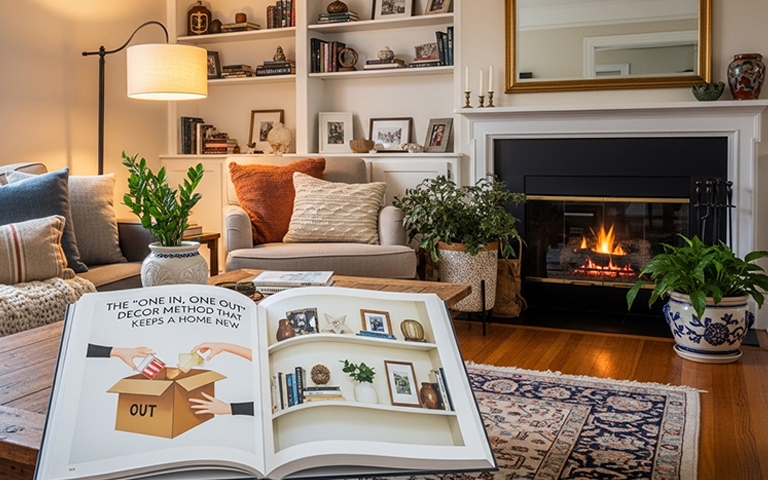
Give Old Furniture New Life

The most expensive items in any nursery- furniture and the rocking chair- are also the easiest to get secondhand. This is where the real money gets saved.
A thrifted dresser, repainted. Etsy and local thrift stores are full of solid wood dressers for $30-$70 that need a coat of paint and new hardware. A gallon of paint costs $30-$40 but covers multiple pieces, and swapping in $2-$4 knobs from Amazon or Etsy can change the whole look. Etsy in particular has small-batch brass and ceramic pulls that make a $50 thrift find look custom. This one doesn’t work if the piece has water damage or a warped top, so check for that before you commit.
A second glider with a new throw. Gliders resell constantly because babies outgrow the need for them fast. Buy used for $50-$150, then add a $20-$30 slipcover from Amazon or Walmart, or a chunky knit throw from Crate & Barrel, to make it look brand new. If you’d rather skip secondhand entirely, Wayfair sells budget-friendly new gliders that undercut the boutique baby brands by a wide margin. Nobody will know, and honestly, who’s checking.
Storage That Looks Like Decor

Storage bins are unavoidable in a nursery. The trick is picking ones that double as styling instead of hiding in a closet.
Woven baskets. Seagrass or cotton-rope baskets from Amazon or Walmart run $12-$25 and hold diapers, extra sheets, or stuffed animals while looking intentional on an open shelf. Etsy has handwoven versions if you want something less mass-produced, and 2Modern stocks a sculptural option that works as much as decor as it does storage. Buy two or three in slightly different sizes rather than a matching set. It reads as collected, not staged.
Floating shelves, styled sparingly. A pair of budget floating shelves ($15-$35 each) from Amazon gives you a spot for books and small decor without eating floor space. Wayfair and Crate & Barrel both carry sleeker, more architectural shelving if you want the room to feel less obviously budget. Style them with three or four items max. Overfilled shelves read as clutter, and clutter is the one thing that makes a budget room look budget.
|
MUST READ: |

The Small Details That Make It Feel Finished

These last few ideas cost the least and matter the most. They’re the details that make a nursery feel like yours instead of a showroom.
A crib canopy made from tulle. A bolt of tulle from a fabric store or Amazon costs under $15 and, tied to a $10 curtain rod mounted above the crib, creates a soft canopy effect that usually gets tagged as a $200 nursery feature. This is the closest thing to a decorating cheat code I know.
A DIY mobile. Wooden rings, felt shapes, or dried pampas grass tied to an embroidery hoop make a mobile for under $20 in materials from a craft store. Etsy also sells finished handmade mobiles in the $30-$60 range if you’d rather skip the DIY step entirely. It won’t be perfectly symmetrical, and that’s fine. The handmade wobble is part of the charm.
A personalized name sign. A wooden name sign from a small Etsy shop runs $20-$40 and gives the room a focal point above the crib or dresser that a printed poster can’t match. Wayfair carries a more formal engraved version if you want something heirloom-feeling, and if you’re crafty, a $5 craft-store wood plaque works just as well.
Key Takeaways
- A single accent wall of peel-and-stick wallpaper behind the crib does more visual work than decorating every wall.
- Warm-white lighting matters more than the fixture itself; cool white undercuts even a well-decorated room.
- Blackout curtains are the one item worth spending real money on, since they affect sleep more than any other purchase on this list.
- Thrifted furniture, especially dressers and gliders, offers the biggest savings if you check for water damage or warping first.
- Styling storage (woven baskets, sparse floating shelves) reads as intentional decor instead of clutter when kept to two or three pieces per surface.
- Small handmade or DIY details, like a tulle canopy or embroidery-hoop mobile, deliver an outsized visual impact for under $20.
Frequently Asked Questions
How much does it cost to decorate a nursery on a budget?
Most of the ideas here run $10-$80 per item, and a full room can realistically come together for $300-$500 by mixing thrifted furniture with a few new pieces from Wayfair, Amazon, Walmart, or Etsy.
What’s the one nursery item worth splurging on?
Blackout curtains. They directly affect sleep quality, which matters more in the long term than almost any other decor choice in the room.
Do I need a theme for the nursery to look put together?
No. A consistent color palette, two or three, does more than a matched theme. Pick warm neutrals plus one accent color and repeat it across the rug, textiles, and one wall for a cohesive look without buying a “collection.”
Is thrifted furniture safe for a nursery?
Dressers, gliders, and shelving are generally fine secondhand as long as you check for structural damage, water warping, or unstable joints before buying. Cribs and mattresses are the exception; those are best bought new to meet current safety standards.
How do I make a nursery feel finished without overspending?
Focus on texture and layering: a rug, curtains, a few baskets, rather than buying more individual decor items. A room with three well-chosen textures usually looks more finished than one with ten small trinkets.
Conclusion
None of this requires a big budget or a full renovation. A peel-and-stick accent wall, warmer lighting, a thrifted dresser with new hardware, and a few textiles pull more weight than a room full of matching, full-price furniture ever would.
Start with one or two ideas from this list, whichever fits your timeline and budget best, and layer in the rest as you go. The nursery doesn’t need to be finished on day one; it just needs to feel warm, safe, and a little bit yours. Sometimes the smallest room in the house ends up being the one you remember best.




Add comment