


Refresh every room for summer

20 years of experience as a home decor consultant, specializing in furniture selection, space-conscious layouts, and practical interior solutions.
I used to dread the seasonal switch. Every June, I’d walk through my own living room and feel absolutely nothing except a low hum of dissatisfaction. The throw blankets were too heavy. The curtains blocked every drop of morning light. The whole place felt like it was still bracing for January.
It took me an embarrassing number of years to realize the problem wasn’t my budget. It was my approach. The homes that stopped me mid-scroll on Pinterest – the ones that felt breezy and calm and quietly expensive – weren’t decorated with expensive things. They were decorated with intention. Light. Texture. Restraint. And the right handful of swaps done in exactly the right order.
This guide covers everything I’ve learned about summer home decor since that realization. Every idea here is grounded in current 2026 design trends and real designer advice. None of it requires a renovation. Most of it costs less than a dinner out.
TL;DR
Summer home decor that looks expensive isn’t about buying more – it’s about choosing better. Swap heavy curtains for sheers, layer natural textures like linen and rattan, introduce blue or terracotta accents, hang a large mirror opposite your main window, bring in one statement plant, and let light do the rest. Every single idea in this guide is doable this weekend.
Why Does Summer Home Decor Feel So Hard to Get Right?
Here’s the honest answer: most of us add things when we should be editing. We buy a sunflower arrangement and some yellow pillows and call it done. But the homes that genuinely feel like summer – the ones that feel light and almost weightless – got there by removing the heavy stuff first.
The heavy curtains. The dark throws. The bulky centerpiece that made sense in December. Summer decor works by letting light in, not by layering new objects on top of old ones. Once I understood that, the whole process became a lot less expensive and a lot more effective.
What Colors Make a Home Feel Light and Airy in Summer?
The most reliable summer palette keeps coming back to the same foundation: warm whites, sandy beiges, soft blues, and sage greens. These aren’t boring choices – they’re strategic ones. Light colors reflect sunlight back into a room, which is exactly what makes a space feel open and expensive rather than heavy and closed-in.
|
MUST READ: |
Blue is the standout color for 2026 summer decorating. It appeared on nearly every major designer’s Color of the Year list and earned its spot because blue genuinely affects how people feel in a space – it reduces stress, sharpens focus, and creates that relaxed, waterside calm that everyone is chasing when summer rolls around. You don’t need to repaint a wall to use it. A cobalt vase, a navy outdoor rug, a set of blue linen pillow covers – that’s more than enough.
Beyond blue, warm terracotta and peach shades have been climbing fast through 2026. Blush, coral, and peachy tones add warmth without weight, which makes them especially powerful in rooms that don’t get much direct sunlight. They glow rather than absorb. They make a room feel like late afternoon all day long.
The Single Most Impactful Summer Decor Swap: Curtains
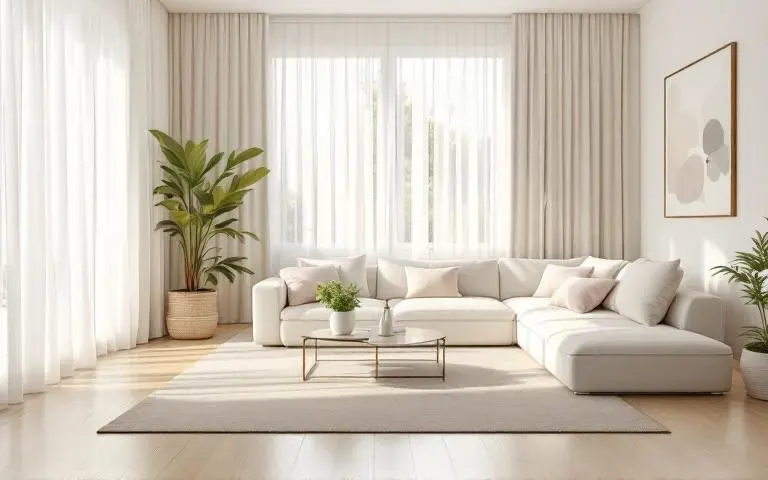
If you only do one thing before summer hits, swap your curtains. Not because heavy drapes are ugly – but because they are actively fighting everything you’re trying to achieve. Dark, thick curtains absorb natural light, make ceilings feel lower, and give every room a weight it shouldn’t carry in July.
Sheer white or linen curtains do the opposite. They allow light to filter through in a soft, diffused way that makes a room feel genuinely dreamy. They billow slightly when a window is cracked open. They photograph beautifully for all the wrong reasons – not because they’re expensive, but because they look like something from a beach house editorial shoot, and they cost about $25 a panel.
The trick that turns a decent curtain into a great one: hang the rod close to the ceiling, not above the window frame. And extend the rod several inches past the window on both sides. This creates the illusion of a taller, wider window – which is one of the oldest and most effective designer moves in the book. It makes the room feel larger without touching a single wall.
How to Layer Natural Textures for That Expensive Look
Walk into any home that photographs well and you’ll notice one thing they all share: texture. Not pattern, not color – texture. The difference between a room that feels flat and a room that feels rich is almost always the layering of materials that catch light and invite touch.
For summer, that means jute, rattan, linen, seagrass, light wood, and woven fibers. A jute rug under the coffee table. A rattan-framed mirror in the hallway. Linen cushion covers on the sofa. A woven pendant light over the dining table. These materials work because they breathe – they don’t absorb heat visually the way velvet or wool does, and they look right in summer light in a way that synthetic materials never quite manage.
Interior designer Debbie Leigh puts it plainly: mixing natural materials like linen, rattan, and wood creates warmth and tactile depth, while adding polished accents like marble or brass produces a high-end look without the matching price. That combination, rough and smooth, matte and reflective, natural and polished, is what separates a thoughtfully decorated room from a simply furnished one.
|
MUST READ: |
Mirrors: The Cheapest Trick That Looks the Most Expensive
A large mirror placed opposite your main window is, without question, the highest-return investment in summer home decor. It reflects natural light around the room, creates the sense of an additional window, and makes every space feel bigger and brighter at the same time.
Rattan-framed round mirrors are especially suited to summer 2026 because they layer texture and function in a single piece. They also work at almost any price point: HomeGoods, Amazon, and thrift stores routinely carry them in the $30 to $80 range. The key is scale: go bigger than feels comfortable. A small mirror on a large wall barely registers. An oversized mirror on that same wall changes the entire feel of the room.
One extra tip that almost nobody talks about: position the mirror to reflect something worth reflecting. A window, a plant, a garden view, a particularly good piece of art. A mirror facing a cluttered bookshelf or a blank opposing wall wastes the effect entirely.
Plants That Earn Their Place in Summer Decor
One small plant in the corner of a room is decoration. Three plants at varying heights in the same corner is design. The difference is intention; and grouping plants in odd numbers at different levels creates that styled, organic look that high-end interiors rely on constantly.
For summer, the most impactful choices are large and leafy: Bird of Paradise, Areca Palm, Fiddle Leaf Fig. These plants change the scale of a room in a way that no accessory can. A Bird of Paradise in a simple white pot next to a reading chair signals that someone thoughtful lives here. It also photographs beautifully, smells faintly of earth and growth, and costs less than a dinner reservation for two.
|
MUST READ: |
If plant care feels daunting, start with a pothos or a snake plant. Both survive low light, irregular watering, and general neglect with admirable composure. Place them in a woven basket planter rather than a plastic nursery pot and they instantly read as styled rather than forgotten.
A bunch of fresh eucalyptus in a clear glass vase on the coffee table also works remarkably well for summer. Grocery stores sell it for a few dollars. It looks like something from a boutique hotel room and smells even better.
Summer Home Decor Room by Room
Living Room
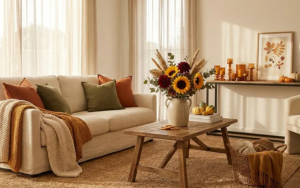
The living room carries the most visual weight in a home, which means it rewards the most deliberate summer editing. Start by removing anything dark – dark throw blankets, dark pillow covers, dark decorative objects. Replace them with whites, creams, and soft blues. This alone shifts the room’s energy considerably.
Swap pillow covers rather than buying new pillows. A set of four linen covers in white or sky blue typically runs under $20 on Amazon or at Target. It takes five minutes and the impact is immediate. Follow that with a jute or sisal rug if you currently have something darker or heavier on the floor, and finish with a rattan-framed mirror and one large plant.
The last step that most people skip: pull furniture slightly away from the walls. Furniture pushed flush against the perimeter of a room makes a space feel smaller and more cramped. Moving a sofa even twelve inches away from the wall creates a conversation area that feels intentional and, somehow, more expensive.
Bedroom
A summer bedroom should feel like you checked into a boutique hotel for the season. The foundation is white or pale linen bedding – crisp, washable, and light. Layer a cotton waffle blanket folded at the foot of the bed rather than a heavy duvet. Add two or three throw pillows in complementary summer tones: a dusty blue, a warm sand, a soft sage.
Sheer curtains matter even more in bedrooms, where morning light is one of the genuine pleasures of summer. Install them ceiling-height and let them hang to the floor. Position a rattan nightstand, swap any dark lampshade for a white or natural linen one, and add a single stem in a bud vase on the nightstand. Done. The room feels like it belongs in a travel magazine and cost almost nothing to achieve.
Kitchen and Dining Area
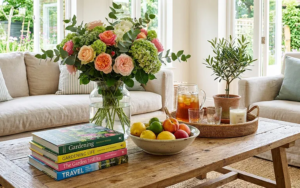
Summer kitchens and dining spaces benefit enormously from fresh flowers and scent. A vase of sunflowers or peonies on a dining table changes the entire mood of a meal. Beyond florals, switching to light wood or marble-finish serving boards, placing fresh herbs in small pots on a windowsill, and swapping out any heavy, dark table runners for neutral linen ones all work together to build that light, seasonal feel.
Add a citrus-scented candle or a diffuser with lemon or mint essential oil. The right scent in a kitchen makes the space feel cleaner and more alive. It’s one of those details that guests notice without being able to articulate why the room feels so good – and it costs almost nothing.
Porch and Outdoor Spaces
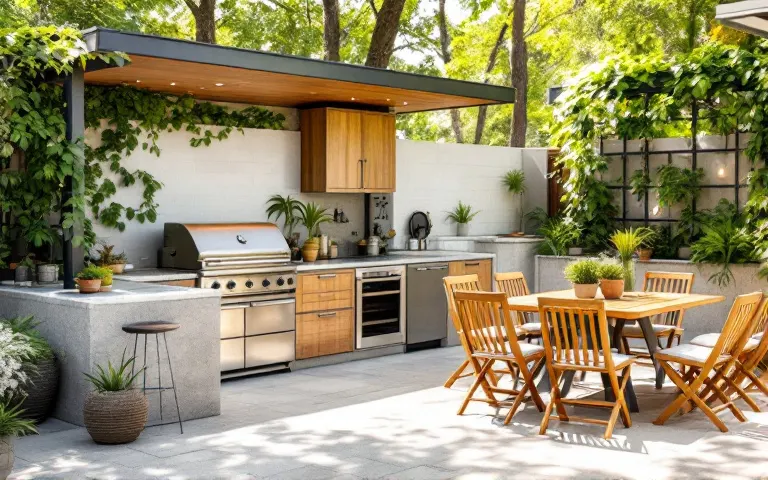
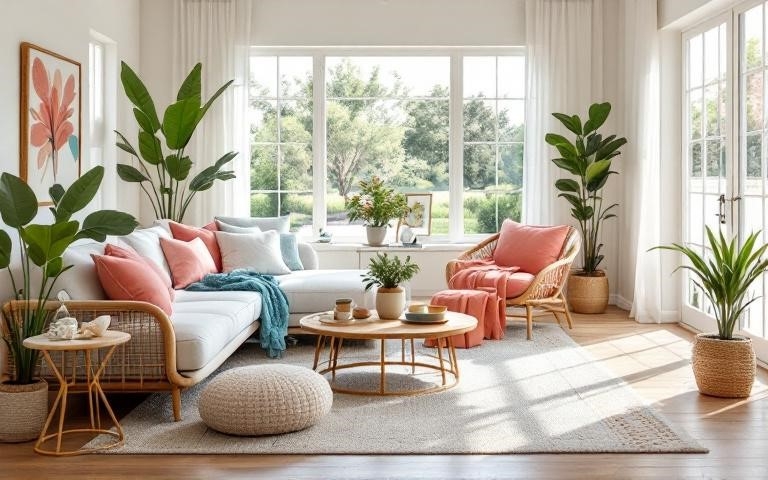
In 2026, outdoor spaces are being treated with the same care as living rooms.. and that shift in thinking is the key to unlocking their potential. A plain concrete balcony with string lights overhead, one excellent weather-resistant chair, a small side table, and a potted plant becomes a room that you actually want to spend time in. The goal isn’t to fill the space. It’s to create one genuinely comfortable spot that pulls you outside every evening.
For small balconies, a bistro-style pedestal table and two tucked-under stools maximize space without crowding it. For larger patios, a modular outdoor sofa in a neutral performance fabric with deep cushions signals that this space takes itself seriously. Grade A teak and powder-coated aluminum are the materials worth investing in both age beautifully and last a decade or more, which makes them genuinely cost-effective over time.
|
MUST READ: |
The Scent Layer: The Detail Most Decorating Guides Skip
Your home’s scent is as much a part of its atmosphere as its color palette and summer has a specific olfactory register that costs almost nothing to achieve. Light citrus, fresh herbs, warm linen, subtle florals. These scents signal clean, open, airy spaces in a way that immediately shifts how a room feels when you walk into it.
A simmer pot on the stove with lemon slices, fresh rosemary, and a splash of vanilla extract fills a kitchen with summer warmth for hours. A linen spray on your curtains and bedding adds a freshness that you notice every time you enter the room. A citronella candle on the porch pulls double duty – it smells like summer and keeps the mosquitoes away.
What Not to Do: Summer Decor Mistakes That Make Rooms Feel Cheaper
Knowing what to add is only half the equation. The other half is knowing what to leave alone – or remove entirely.
- Don’t scatter lots of small accessories. One or two large statement pieces read as intentional and expensive. Ten small trinkets read as cluttered and uncertain. Edit aggressively before you add anything new.
- Don’t use matching sets. Rooms that feel expensive feel collected, not coordinated. Mix materials, finishes, and eras rather than buying everything from the same collection.
- Don’t ignore lighting. Overhead lights make a room feel flat. Layer in table lamps and floor lamps with warm-white bulbs under 3000K. Add a dimmer switch if you can. Warm, layered lighting is one of the cheapest ways to make a room feel significantly more luxurious.
- Don’t leave the floor bare. A large rug anchors a room and makes it feel complete in a way that no amount of wall decor can replicate. Size matters enormously – go bigger than you think you need, and position it so the front legs of the sofa sit on it.
- Don’t clutter surfaces. A clean surface with one or two well-chosen objects will always look more expensive than the same surface covered in six things. Restraint is the real luxury.
Key Facts
- Blue was on nearly every designer’s Color of the Year list for 2026 and has been shown to reduce stress and lift mood.
- Hanging curtains ceiling-height and wide creates the illusion of taller, larger windows – at zero extra cost.
- Mixing natural materials like linen, rattan, and wood with polished accents like marble or brass produces a high-end look on a modest budget.
- A large rattan-framed mirror placed opposite a window can double the perceived light in a room.
- Sheer white or linen curtains typically cost $20 to $40 per panel and produce one of the biggest visual returns in summer decorating.
- Grouping plants in odd numbers at varying heights creates a styled, organic look that matches high-end interiors.
- Warm-white LED bulbs under 3000K make every room feel warmer and more atmospheric than cool or daylight bulbs.
- Furniture pulled slightly away from walls creates better conversation flow and makes rooms feel larger and more intentional.
- Grade A teak and powder-coated aluminum are the outdoor materials worth investing in – both last a decade or more with minimal upkeep.
- The right scent – citrus, mint, fresh linen – shifts a room’s atmosphere as much as any visual element.
|
MUST READ: |

Frequently Asked Questions
What is the easiest way to make my home feel summery without spending much?
Swap heavy curtains for sheer white or linen panels, replace dark throw pillow covers with lighter ones in white, blue, or sage, and bring in one large plant in a woven basket planter. These three changes cost under $100 combined and shift a room’s entire energy. Start with light – letting more natural light in is the single most effective summer decor move at any budget.
What colors should I use for summer home decor in 2026?
The foundation palette for 2026 summer decorating centers on warm whites, sandy beiges, and soft blues, with warm accents of terracotta, peach, and sage green. Blue is the dominant trend this year and works in every room – as an accent color in pillows and vases, or as a full feature wall. These shades reflect light, create a relaxed atmosphere, and pair beautifully with natural textures like linen and rattan.
How do I make my living room look expensive for summer without renovating?
Edit first – remove anything dark, heavy, or cluttered. Then add a large mirror opposite your main window, swap pillow covers for lighter summer tones, layer in a jute or sisal rug, and bring in one statement plant. Pull your sofa slightly away from the wall to create a more intentional conversation arrangement. These steps cost very little but produce the kind of considered, elevated look that designers charge for.
How can I update my bedroom for summer on a tight budget?
Switch to white or pale linen bedding, replace heavy curtains with ceiling-height sheers, and fold a lightweight cotton waffle blanket at the foot of the bed instead of a thick duvet. Add one bud vase with a fresh stem on the nightstand and swap any dark lampshade for a white or natural linen one. The whole update can cost under $80 and transforms the room from winter-heavy to genuinely breezy.
What natural materials work best for summer home decor?
Linen, jute, rattan, seagrass, light wood, and woven fibers are the core materials for light, airy summer decor in 2026. They breathe visually in a way that synthetic or heavy materials don’t, and they layer well against each other without creating visual noise. Pair them with a polished accent – a marble tray, a brass lamp base, a ceramic vase – for the contrast that reads as expensive and intentional.
When is the best time to start decorating for summer?
Late May to early June is the sweet spot for most homeowners. Starting with small swaps – lighter pillow covers, a fresh plant, sheer curtains – lets you ease into the seasonal shift before making any larger changes. The goal is for your home to feel like summer when summer actually arrives, not after you’ve spent July getting there.


Add comment