


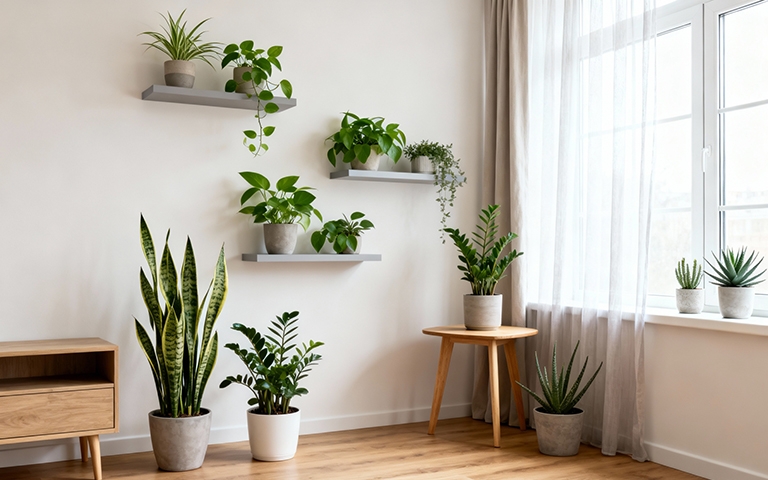
Less decor, more plant meaning

6 years specializing in budget furnishing, outdoor decor, and seasonal trends — every piece she covers is firsthand-tested or research-verified.
Minimalist living room plants decor isn’t about having nothing. It’s about making sure everything you do matters. This is where living room plant decor becomes so powerful.
Instead of scattering random accessories around, you choose a few elements that carry visual and emotional weight. A tall fiddle leaf fig in the corner. A trailing pothos on a shelf. A sculptural snake plant beside the sofa.
Each piece has a role. Each one earns its place. And suddenly, your living room doesn’t feel empty – it feels curated.
Plants can turn a blah living room into a calm, quietly smug sanctuary in about two weeks flat. You don’t need a greenhouse, a watering schedule that rivals NASA, or a jungle aesthetic. You just need a handful of well-chosen green friends and a plan.
Ready to build a minimalist oasis without crowding your couch? Let’s go.
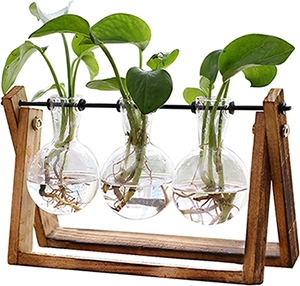
Define Your Minimalist Plant Style
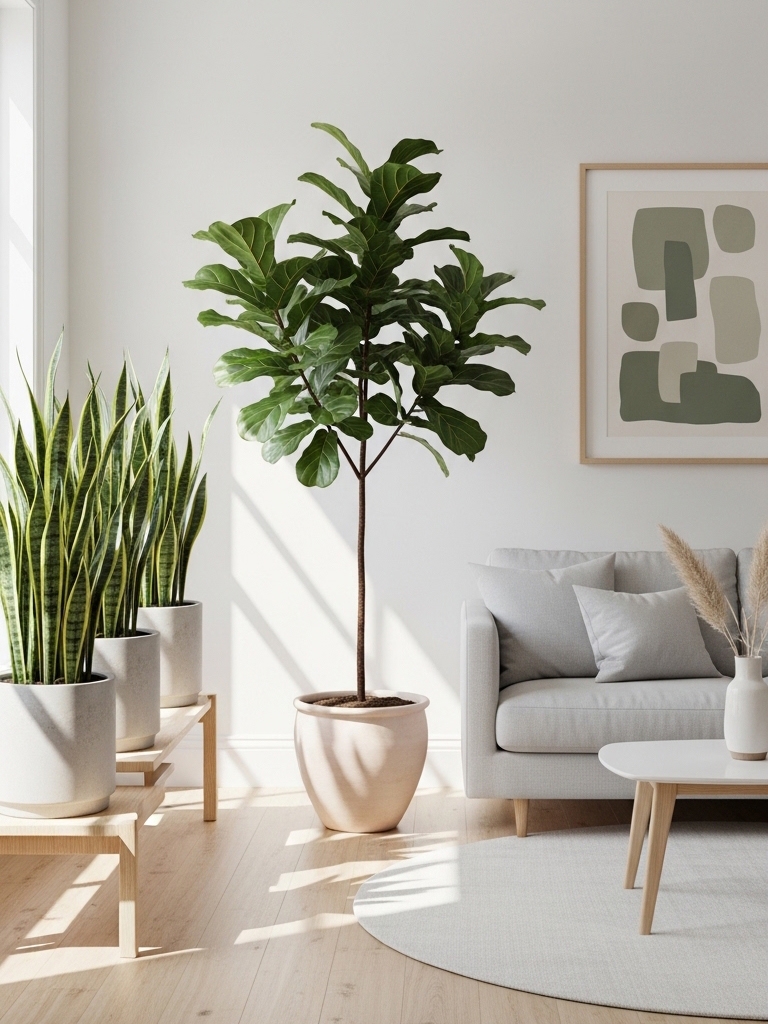
Minimalist doesn’t mean empty. It means intentional.
You pick fewer plants with stronger silhouettes and repeat them, so the room feels calm and cohesive.
Start with a vibe check:
- Clean lines: Think sculptural plants with simple shapes.
- Neutral tones: White, black, tan, or natural wood pots keep things quiet.
- Negative space: Let each plant breathe. No leafy mosh pit.
|
MUST READ: |
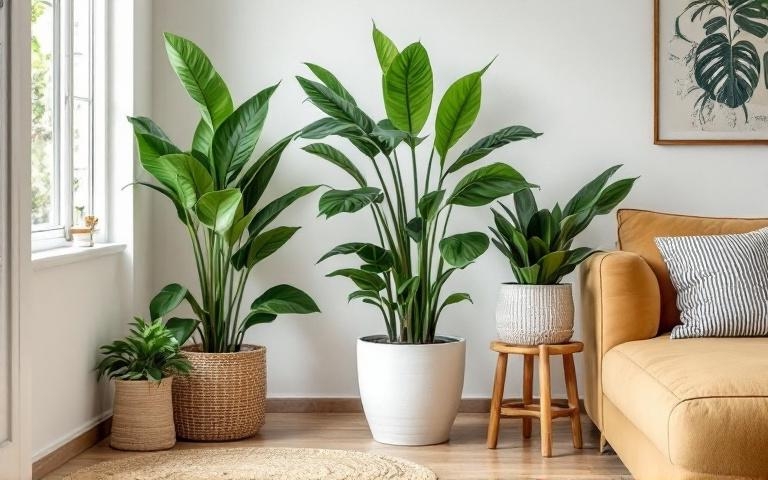
Anchor, Accent, Repeat
Design your living room like an outfit:
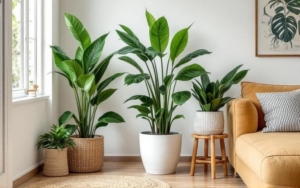
- Anchor plant: A tall, architectural statement (fiddle leaf fig, rubber plant, olive tree).
- Accent plants: Mid-size and small pieces to fill corners and shelves (ZZ plant, snake plant, pothos).
- Repeat textures: Use the same pot style or plant variety for visual calm.
The Minimalist Plant Roster (Low-Drama, High-Impact)
You want plants that look good and don’t demand a relationship talk every week. These deliver:
- Rubber plant (Ficus elastica): Glossy, bold leaves; loves bright indirect light; tolerates occasional neglect.
- ZZ plant: Practically indestructible; thrives in low light; water monthly; looks sleek.
- Snake plant (Sansevieria): Vertical, sculptural lines; low to bright light; water every few weeks; thrives on benign neglect.
- Pothos or Philodendron: Cascading vines soften shelves; easygoing; bright to medium light; water when dry.
- Olive tree (indoor-tolerant varieties): Airy, minimalist silhouette; needs bright light; water lightly.
- Parlor palm: Soft texture without the jungle chaos; medium light; slow-growing and polite.
Pet-Friendly Picks
Got a curious cat?
Try Calathea, Parlor palm, Peperomia, and Spider plant. FYI, snake plants and pothos are not pet-safe if nibbled.
Light: The Make-or-Break Minimalist Variable
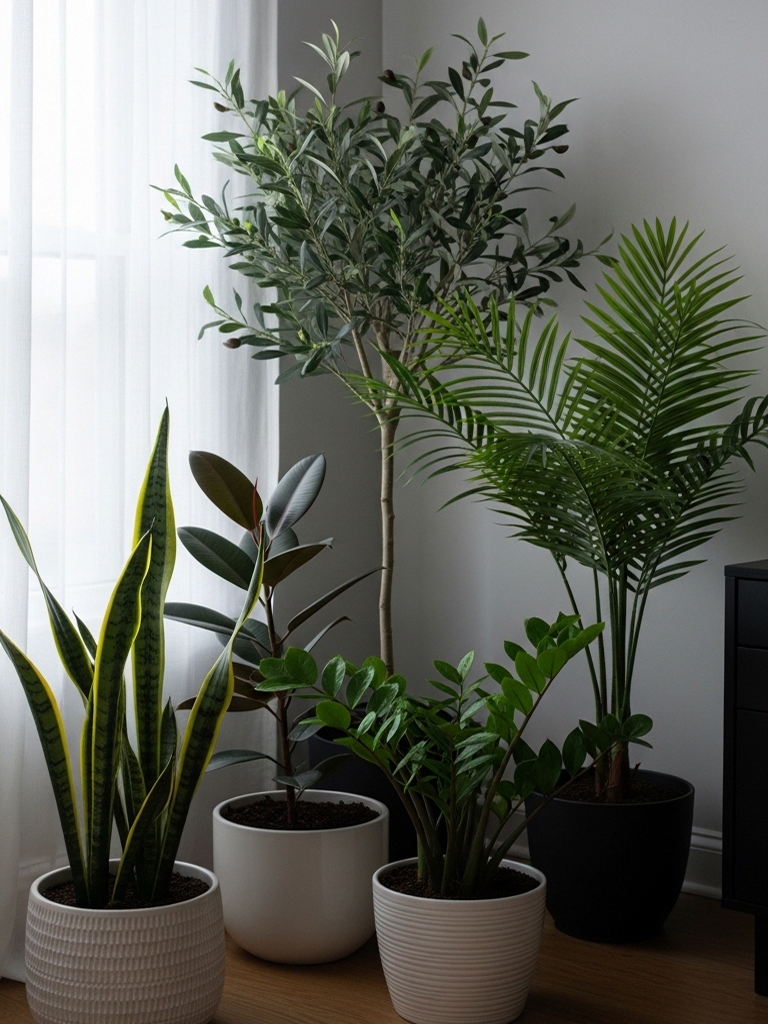
You can buy the prettiest plant, but if the light’s wrong, it’ll spiral faster than your last impulse buy. Read your room first.
- Bright indirect light: Near a sunny window with a sheer curtain.Great for rubber plants and olive trees.
- Medium light: A few feet back from a window. Perfect for ZZ plants, pothos, and parlor palms.
- Low light: Corners that feel moody. Snake plants and ZZ can hang here, but growth slows.
Quick Light Test
At noon, hold your hand a foot above a surface:
- Crisp shadow: Bright light.
- Soft shadow: Medium light.
- Barely-there shadow: Low light.
If light is weak and you still want that olive tree? Use a small grow light with a warm temperature (3000–4000K) and tuck it behind a plant for stealth support.
Pots, Stands, and Styling Without Clutter
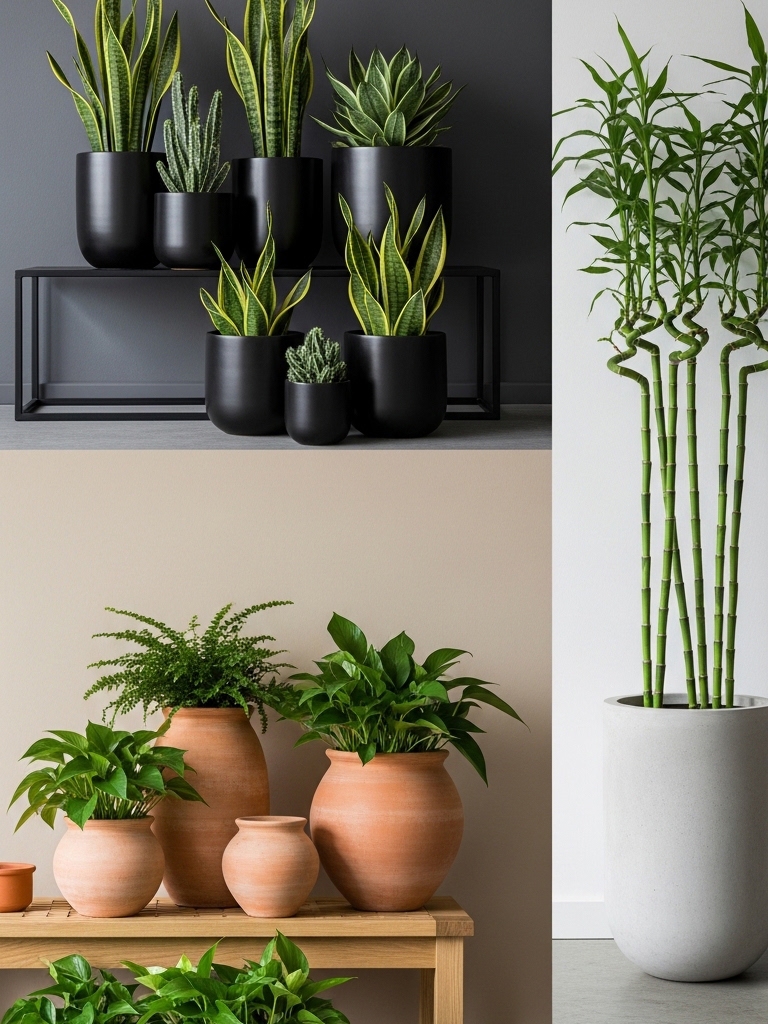
Minimalist decor loves boundaries. Your plant containers matter as much as the plants themselves.
Keep it simple:
- One color family: All white ceramic, matte black, or warm terracotta for calm.
- One material per zone: Wood stands + ceramic pots = chef’s kiss.
- Hidden nursery pot: Keep plants in plastic nursery pots and drop them into pretty cachepots for easier watering.
Placement Rules That Never Fail
- Rule of three: Group plants in threes at different heights.
- Vary form, not vibe: Mix upright, trailing, and bushy forms, but keep the same pot style.
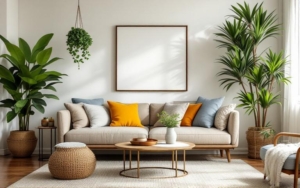
- Frame the view: Place a tall plant beside the sofa or media unit to soften hard lines.
- Float one hero: Let one big plant stand solo to create a focal point.
Watering, Soil, and Other Boring (But Crucial) Stuff
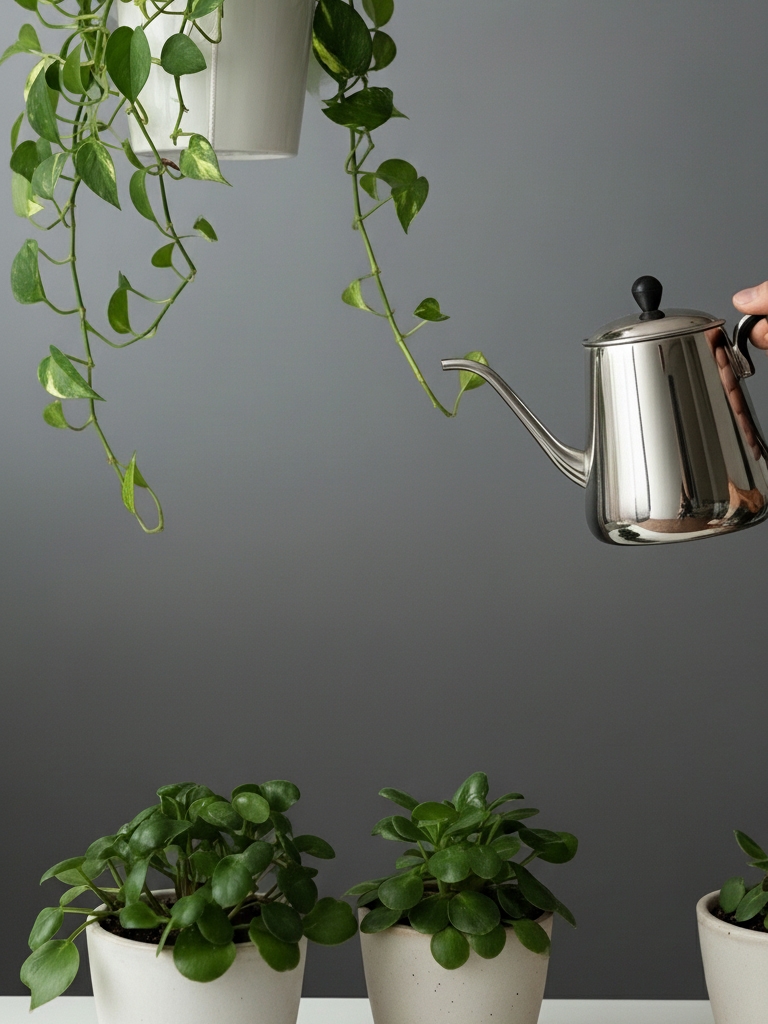
Watering stresses people out. Let’s simplify.
Water rhythm, not calendar:
- Stick your finger into the soil 1–2 inches. If it’s dry, water. If not, step away.
- Water thoroughly until it drains, then empty saucers. No soggy feet.
- Most minimalist picks prefer drying out a bit between drinks.
Soil and drainage basics:
- Use a well-draining potting mix. Add perlite or pumice for extra airflow.
- Choose pots with drainage holes or use a nursery pot inside a decorative pot.
- Fertilize lightly during spring/summer with a balanced liquid fertilizer. Skip winter. IMO, less is more.
Maintenance That Feels Manageable
- Dust leaves monthly with a damp cloth for better light absorption.
- Rotate a quarter turn every few weeks so growth stays even.
- Prune leggy vines and yellow leaves. Quick snip, instant glow-up.
Small Space? Go Vertical
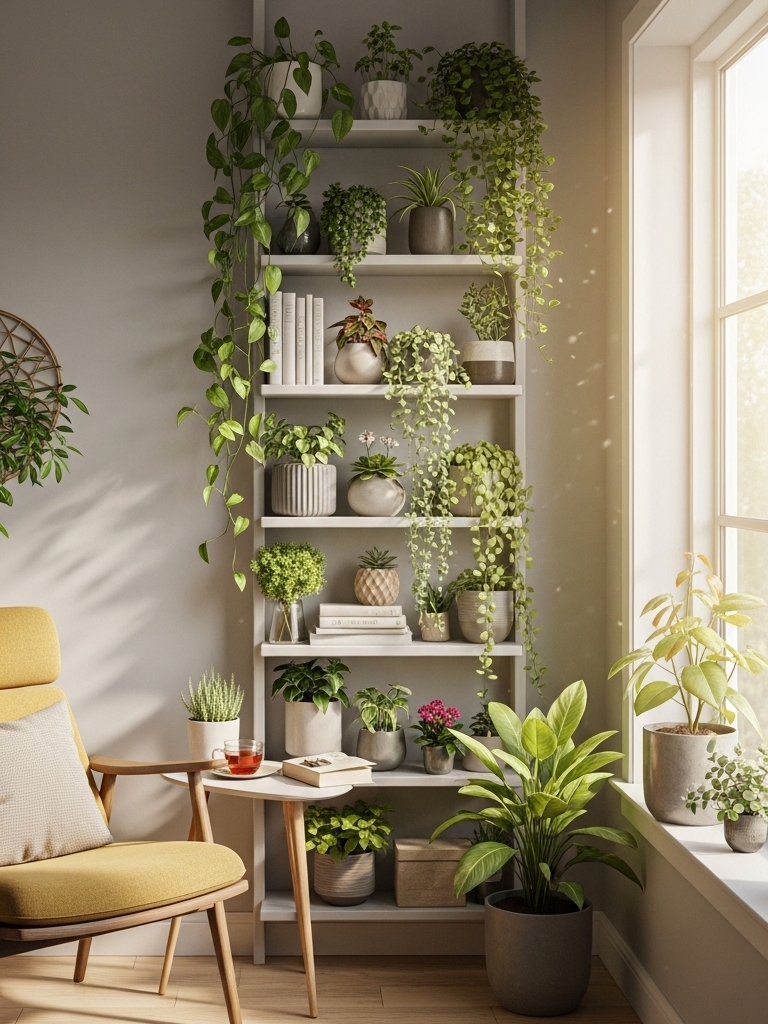
If floor space is tight, think up, not out. You can add greenery without tripping over it.
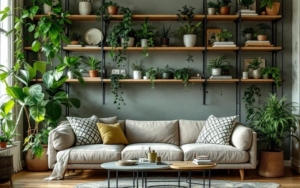
- Wall shelves: Stagger two or three shelves and add a trailing plant, one mid-size, and a sculptural object.
- Hanging planters: Put a pothos or string-of-hearts near a window for drama without clutter.
- Console or media unit: One low planter on each end. Symmetry = instant calm.
One-Plant-Per-Zone Strategy
Divide your living room mentally:
- Sofa corner: one tall plant.
- Coffee table: one small, non-toxic accent.
- Shelf: one trailing plant plus two objects.
- Window area: one medium plant on a stand.
You get green everywhere without chaos.
Color, Texture, and the Minimalist Palette
Green already brings color. Keep the rest understated so the plants feel purposeful, not random.
- Stick to two pot colors and one natural material (wood, rattan).
- Leaf texture matters: Mix glossy (rubber plant), matte (olive), and patterned (Calathea) sparingly.
- Repeat shapes: Round pots + round leaves = soft; angular stands + upright plants = crisp.
Lighting as Decor
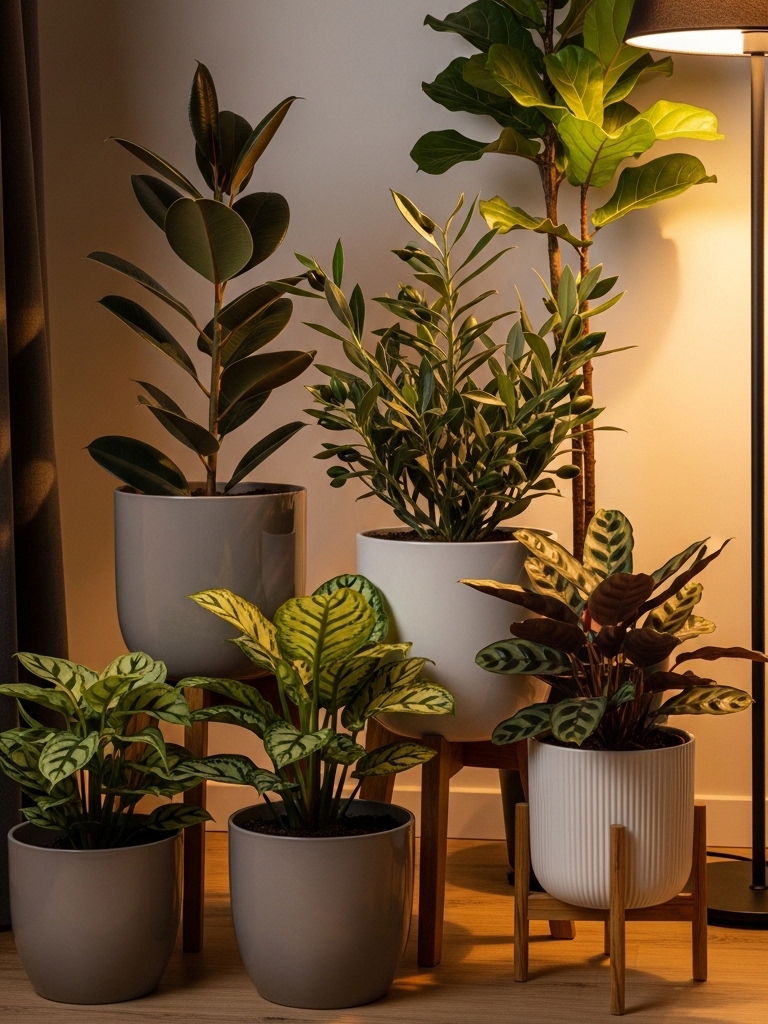
Use warm lamps to highlight plants at night:
- Place a floor lamp behind a tall plant for dramatic shadows.
- Clip a small grow light to a shelf and angle it down. Dual-purpose: looks good and helps growth. FYI, win-win.
Real-Life Minimalist Combos
Need a cheat sheet? Try these ready-made lineups:
- Scandi Calm: Rubber plant + ZZ plant + trailing pothos. White ceramic, light wood stand.
- Warm Earthy: Olive tree + snake plant + parlor palm. Terracotta pots, jute basket cachepot.
- Low-Light Hero: Two snake plants + one ZZ + one pothos on a shelf. Matte black pots for drama.
- Pet-Friendly Zone: Parlor palm + Calathea + Peperomia. Neutral taupe pots; add a linen throw nearby.
FAQ
How many plants should I have in a minimalist living room?
Aim for 3–7, depending on room size. Use one tall anchor, two to three mid-size accents, and one trailing plant. If the space starts feeling “busy,” remove one. Edit like you would a capsule wardrobe.
What’s the easiest plant for beginners who forget to water?
ZZ plant and snake plant. They tolerate low light and long dry spells. Water every 2–4 weeks, depending on light and season. They won’t judge you. Much.
Do I really need special soil and fertilizer?
Use a well-draining indoor mix with added perlite. It prevents soggy roots and drama. Fertilize lightly only in spring and summer. Skip winter—plants rest, and so can you.
How do I keep plants from attracting gnats?
Let the soil dry slightly between waterings and avoid standing water in saucers. Use a well-draining mix and bottom-water occasionally. If gnats appear, add a layer of horticultural sand on top of the soil and use yellow sticky traps for a week or two.
Can I keep plants alive with north-facing windows?
Yes – choose low to medium-light champs like ZZ, snake plant, pothos, and parlor palm. Push them as close to the window as possible. If growth slows, add a small, warm-toned grow light for a few hours nightly. IMO, it’s worth it.
Are self-watering pots good for minimalists?
They help if you travel or forget water during the day. Just use them with plants that like evenly moist soil, or learn your plant’s preferences first. For drought-tolerant plants, keep the reservoir low and let the top inch dry out.
Conclusion
Minimalist living room plants decor isn’t about owning fewer plants – it’s about choosing the right ones and giving them space to shine. Pick a strong anchor, add a few easy companions, keep pots cohesive, and watch the room relax. You’ll get a green oasis that feels intentional, calm, and super low-maintenance.
And yes, your living room will suddenly look like it knows what it’s doing.


Add comment