


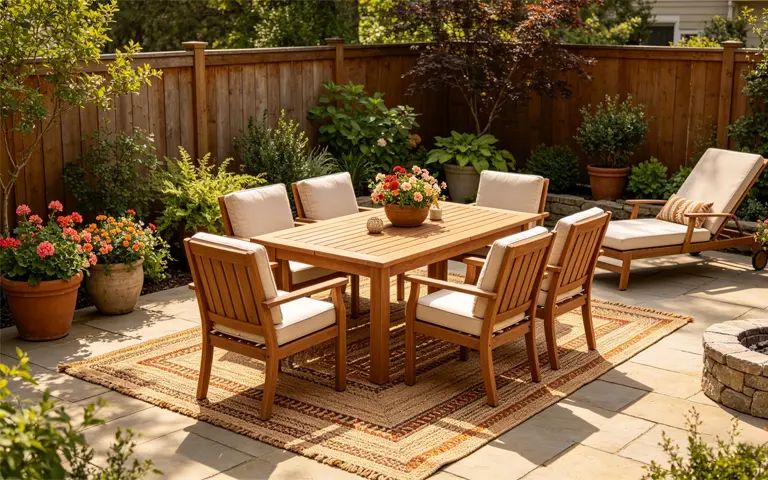
Luxury patio decor buying guide

20 years of experience as a home decor consultant, specializing in furniture selection, space-conscious layouts, and practical interior solutions.
If you’re looking for RH outdoor furniture alternatives, several brands offer the same upscale aesthetic for significantly less. The best options feature oversized silhouettes, weather-resistant materials, premium teak or aluminum frames, handwoven all-weather wicker, and neutral color palettes inspired by Restoration Hardware’s signature outdoor collections.
This guide compares 11 luxury outdoor furniture alternatives that capture the timeless RH look without the premium price tag. You’ll discover:
- RH-style outdoor sofas and sectionals
- Weathered teak dining sets
- Powder-coated aluminum lounge furniture
- All-weather wicker seating
- Designer-inspired coffee and side tables
- Budget-friendly luxury patio furniture for every outdoor space
Each recommendation includes pricing, key features, material quality, ideal use cases, and the reasons it stands out as a smart alternative to RH. Whether you’re furnishing a patio, deck, poolside retreat, or backyard entertaining area, these selections help you create a high-end outdoor living space with the same sophisticated style at a better value.
Key Takeaways
- The RH-inspired look leans on three materials: weathered teak, powder-coated aluminum, and poured concrete or concrete-look composite.
- A modular sectional is the anchor piece worth spending the most on. Everything else can be mixed and matched around it.
- Cantilever umbrellas are read more expensive than center-pole umbrellas and actually shade a seating area properly.
- You don’t need the RH price tag. Other online furniture stores make near-identical silhouettes for 30 to 50 percent less.
- Concrete-top tables are heavy for a reason. Confirm your deck or patio can support the weight before you order one.
- Powder-coated aluminum frames outlast teak in humid climates and need almost no maintenance.
- Buy cushion covers in a performance fabric like Sunbrella. It’s the single upgrade that extends furniture life the most.
At a Glance
- Modular Teak Sectional – best for large patios and entertaining: $1,800 to $6,500
- Waterfall-Edge Concrete Dining Table – best as a statement centerpiece: $1,400 to $3,200
- Powder-Coated Aluminum Lounge Chairs – best for low-maintenance pool decks: $600 to $1,900 per pair
- Cantilever Umbrella with Stone Base – best for shading a sectional: $900 to $2,000
- Luxury Outdoor Canopy Daybed – best for a resort-style focal point: $1,800 to $4,500
- Fire Pit Coffee Table – best for cool-climate evenings: $700 to $1,800
- Teak and Rope Dining Chairs – best for a warmer, textural dining set: $350 to $650 each
- Adjustable Teak Chaise Lounge – best for sunbathing and reading: $500 to $900 each
- Woven Wicker Sectional – best for a softer, coastal take on the look: $1,900 to $4,200
- Outdoor Bar Cart – best for entertaining near the pool: $450 to $950
- Oversized Sculptural Planters – best for framing an entryway or lounge zone: $50 to $600 each
Why Trust This Guide
The selections in this guide are based on a thorough comparison of current catalogs from luxury and mid-luxury outdoor retailers. We have meticulously cross-checked materials and dimensions and examined verified buyer reviews for common issues such as fading, rust, and cushion deterioration.
The price ranges reflect actual listings at the time of writing, rather than manufacturer-suggested prices. This roundup is research-based rather than the result of hands-on lab testing, so consider the pros and cons as a starting point.
Always check the current dimensions before making a purchase, as outdoor product lines are frequently updated.
How We Evaluated Each Piece
With a little help from my team, we meticulously assessed each item using well-established criteria to ensure a comprehensive evaluation.
Our examination focused on how effectively each product withstands various outdoor conditions, with special attention to weather resistance and long-term durability. In addition, we scrutinized the quality and sustainability of the materials utilized, ensuring that eco-friendliness was a priority.
Comfort was also a central aspect of our review, which we evaluated through details such as ergonomics and overall user experience. We are thrilled to share our in-depth findings with you!
Modular Teak Sectional

Best for: large patios and entertaining. This is the anchor piece of the whole look, a low-slung, deep-seat sectional in weathered or natural teak with thick linen-blend cushions. Key features include modular pieces you can rearrange as your space changes, teak frames rated for outdoor exposure, and cushion depths around 26 to 30 inches, deep enough to sit cross-legged.
- Pros: endlessly reconfigurable, ages beautifully if you let the teak silver naturally, genuinely comfortable for lounging rather than just sitting.
- Cons: teak needs occasional oiling if you want to keep the honey tone instead of the gray patina, and a full sectional easily runs past $4,000.
Who should buy it: anyone with at least 150 square feet of patio and a habit of hosting.
Who should skip it: small balconies, where a sectional this scale will swallow the whole space.
Price range: $1,800 to $6,500.
Final verdict: worth the investment if you actually use your outdoor space regularly, not just twice a summer.
|
MUST READ: |
Waterfall-Edge Concrete Dining Table

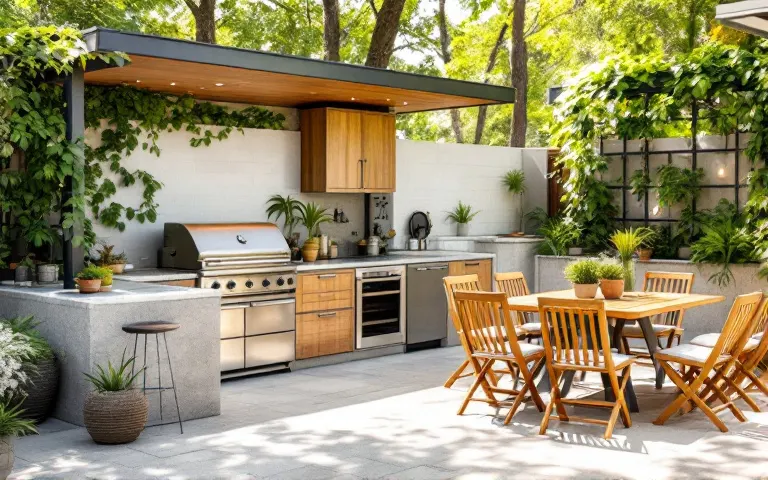
Best for: a statement centerpiece. The waterfall edge, where the tabletop material flows straight down into the legs with no visible seam, is one of the most recognizable signatures of this style. Look for a fiber-reinforced concrete top rather than solid poured concrete if weight is a concern.
Pros: sculptural, heat and weather resistant, doesn’t need cushions or covers to look finished.
Cons: heavy, sometimes over 200 pounds, so measure doorways and deck load limits before ordering, and concrete can develop hairline surface cracks in freeze-thaw climates if not sealed.
Who should buy it: anyone who wants one showstopper piece and is willing to build the rest of the patio around it.
Who should skip it: apartment balconies or anyone who moves often.
Price range: $1,400 to $3,200.
Final verdict: the single best way to get that RH look without buying a full collection.
Powder-Coated Aluminum Lounge Chairs

Best for: low-maintenance pool decks; these trade teak’s warmth for aluminum’s total indifference to weather. A matte black or driftwood-toned powder coat reads just as upscale and needs zero upkeep.
Pros: rust-resistant, lightweight enough to move solo, holds up near chlorine and saltwater better than any wood option.
Cons: can feel cold to the touch first thing in the morning, and cheaper versions have thinner-gauge aluminum that dents.
Who should buy it: pool owners and coastal homeowners.
Who should skip it: anyone who wants the visible wood grain that defines the classic look.
Price range: $600 to $1,900 per pair.
Final verdict: the practical choice when style and durability are competing priorities.
Cantilever Umbrella with Stone Base

Best for: shading a sectional or dining set without a pole in the middle of the table. The offset arm and heavy stone or concrete base are what make this read as luxury rather than a big-box patio umbrella.
Pros: full 360-degree rotation, no center pole blocking your table, bases double as extra sculptural weight in the space.
Cons: the base alone can weigh 100-plus pounds and needs two people to move it, and lower-end versions have canopy fabric that fades within a season.
Who should buy it: anyone shading a sectional or an 8-plus seat dining table.
Who should skip it: small patios where a simple center-pole umbrella does the job for less.
Price range: $900 to $2,000.
Final verdict: one of the highest-impact single purchases on this list for how much it changes the look of a space.
|
MUST READ: |
Luxury Outdoor Canopy Daybed

Best for: a resort-style focal point. A four-post canopy daybed with sheer curtains and a deep cushion is the piece people actually photograph. It works best as a secondary lounge zone rather than the main seating area.
Pros: instantly elevates a backyard, comfortable enough to nap on, and curtains add privacy and shade.
Cons: takes up a lot of square footage for something that seats maybe two comfortably, and the canopy fabric needs to come down before storms.
Who should buy it: larger yards with a dedicated lounge corner.
Who should skip it: anyone tight on space or budget, since this is one of the priciest single items on the list.
Price range: $1,800 to $4,500.
Final verdict: a splurge piece, not a necessity, but it’s the one that gets the most compliments.
Fire Pit Coffee Table

Best for: cool-climate evenings. A concrete or metal coffee table with a built-in propane fire pit insert keeps the seating area usable after sunset without a separate standalone fire pit taking up yard space.
Pros: doubles as both a table and a heat source, propane versions have no ash cleanup, some models include a glass wind guard.
Cons: needs a propane tank stored nearby or a gas line run to it, and the fire feature adds real cost over a plain coffee table.
Who should buy it: anyone in a climate with cool evenings, even in summer.
Who should skip it: HOAs or rental properties that restrict open flame features.
Price range: $700 to $1,800.
Final verdict: worth it if you actually sit outside after dark.
Teak and Rope Dining Chairs

Best for: a warmer, more textural dining set. Rope-wrapped seat backs over a teak frame soften the look compared to an all-aluminum dining set.
Pros: comfortable without cushions, visually lighter than a solid teak chair, holds up well outdoors when the rope is a marine-grade polyester rather than a natural fiber.
Cons: real natural rope will mildew outdoors, so confirm the material before buying, and these run more per chair than a basic sling-back option.
Who should buy it: anyone building a full dining set around the waterfall table.
Who should skip it: households with young kids, since rope weave can snag.
Price range: $350 to $650 each.
Final verdict: a strong middle ground between all-wood and all-metal dining chairs.
Adjustable Teak Chaise Lounge

Best for: sunbathing and reading. A multi-position teak chaise with wheels on one end for easy repositioning is the classic poolside piece in this style.
Pros: adjustable recline, wheels make it easy to chase shade or sun through the day, teak holds up well near pools if rinsed of chlorine occasionally.
Cons: cushions need to come inside or under cover when not in use, and a matched pair takes up real poolside real estate.
Who should buy it: anyone with a pool or a sunny, flat lawn area.
Who should skip it: shaded yards where a chaise would rarely get used.
Price range: $500 to $900 each.
Final verdict: a reliable, timeless pick that won’t look dated in five years.
|
MUST READ: |

Woven Wicker Sectional

Best for: a softer, more coastal take on the same neutral palette. All-weather resin wicker in a driftwood or bone finish gives you the RH color story with a different texture than teak or aluminum.
Pros: lighter-feeling than a teak sectional, resin wicker is genuinely weatherproof, and easier to clean than fabric-heavy pieces.
Cons: lower-quality resin wicker becomes brittle and cracks within a few years in intense sun, so check the warranty length before buying.
Who should buy it: coastal or beach-adjacent homes leaning into a relaxed version of the look.
Who should skip it: anyone who wants the more architectural, straight-lined teak aesthetic.
Price range: $1,900 to $4,200.
Final verdict: a good alternative if a teak sectional feels too heavy for your space visually.
Outdoor Bar Cart

Best for: entertaining near the pool or lounge area. A rolling bar cart in matching powder-coated aluminum or teak keeps drinks and glassware close without a full outdoor kitchen build.
Pros: mobile, doubles as extra surface space during parties, far cheaper than any built-in bar setup.
Cons: open shelving means glassware needs to be brought in overnight or during storms.
Who should buy it: anyone who regularly hosts outdoors.
Who should skip it: households that rarely entertain, where the cart becomes extra storage.
Price range: $450 to $950.
Final verdict: a small purchase that pulls a lot of visual and functional weight.
Oversized Sculptural Planters

Best for: framing an entryway, lounge zone, or dining area. Large-scale, minimalist concrete or fiberglass planters in matte neutral finishes do more to sell this aesthetic than almost anything else on the list, and they’re the cheapest way in.
Pros: instantly makes a space feel intentional and finished, fiberglass versions are surprisingly lightweight despite the concrete look, works in literally any climate.
Cons: needs drainage holes drilled or added if they don’t come pre-drilled, and true concrete versions are extremely heavy once filled with soil.
Who should buy it: everyone, honestly; this is the lowest-risk purchase on the list.
Who should skip it: nobody, though budget shoppers should stick to one or two oversized planters rather than a full matched set.
Price range: $50 to $600 each.
Final verdict: the easiest single upgrade for this look, full stop.
Comparing the Options
- Best Overall: Modular Teak Sectional, for the way it anchors the entire look and space.
- Best Budget: Oversized Sculptural Planters, for the biggest visual impact per dollar.
- Best Premium: Outdoor Canopy Daybed, for the most photograph-worthy focal point.
- Best Small Space: Powder-Coated Aluminum Lounge Chairs, since a pair fits almost anywhere.
- Best Family Choice: Woven Wicker Sectional, for easier cleaning around kids.
- Best Luxury: Waterfall-Edge Concrete Dining Table, for pure sculptural presence.
- Best Value: Fire Pit Coffee Table, since it replaces two purchases with one.
- Best Long-Term Investment: Teak and Rope Dining Chairs, since quality teak genuinely lasts decades.
Which Option Is Right for You
Start with your space, not the catalog. A small balcony gets the aluminum lounge chairs and a couple of oversized planters and calls it done. A mid-size patio can handle the sectional plus the coffee table. A full backyard with a pool is where the daybed, chaise lounges, and cantilever umbrella earn their keep. Budget-wise, the planters and bar cart are the easiest entry points if you want the look without the full spend, while the sectional and dining table are where it makes sense to save up and buy once.
Buying Guide
Size and Layout
Start by measuring your outdoor space before you fall in love with a particular furniture set. Large sectionals and oversized dining tables often look smaller in product photos than they do in real life. Leave at least 3 feet of walking clearance around seating and dining areas so guests can move comfortably. For compact patios or balconies, choose modular or multi-functional pieces that maximize seating without overwhelming the space.
Materials
The signature RH-inspired look is built around a few premium materials: weathered teak, powder-coated aluminum, fiber-reinforced concrete, and all-weather resin wicker. Teak offers timeless beauty and exceptional longevity, while powder-coated aluminum provides excellent rust resistance with minimal maintenance. Fiber-reinforced concrete delivers the sculptural appearance of solid concrete at a more manageable weight, and high-quality resin wicker offers texture without the maintenance issues of natural wicker. Avoid untreated wood, painted steel without protective coatings, and low-grade plastics, which tend to deteriorate quickly outdoors.
Durability and Weather Resistance
Choose materials based on your local climate. In humid, rainy, or coastal environments, powder-coated aluminum and marine-grade performance fabrics resist moisture, rust, and salt exposure better than many natural materials. If you experience freezing winters, ensure concrete furniture is sealed and specifically rated for freeze-thaw conditions to reduce the risk of cracking. UV-resistant fabrics and finishes are equally important in sunny climates, where prolonged exposure can cause fading.
Comfort
Style should never come at the expense of comfort. Deep seating is one of the defining features of luxury outdoor furniture, so look for lounge chairs and sectionals with seat depths of at least 24 inches and thick, high-density foam cushions. Whenever possible, test the furniture in person or carefully review dimensions and customer feedback before purchasing. Ergonomic back angles and supportive cushions make a noticeable difference during long afternoons outdoors.
Storage and Maintenance
Even premium outdoor furniture lasts longer with proper care. Cushions should be stored in a weatherproof deck box or storage bench during storms and throughout the winter months. Breathable furniture covers help protect frames from dirt, UV exposure, and moisture while allowing air circulation. Consider the maintenance requirements of each material – teak may need occasional treatment to maintain its golden color, while aluminum requires little more than routine cleaning.
Assembly and Weight
Many luxury outdoor pieces are substantial in both size and weight. Concrete dining tables, large sectionals, and oversized planters often arrive in multiple boxes and may require two or more people to assemble safely. Before ordering, verify that the furniture can fit through gates, doors, and pathways leading to your patio, and confirm your deck or balcony can support especially heavy pieces.
Budget and Warranty
Focus on long-term value rather than the lowest price. High-quality outdoor furniture should provide years of reliable performance, making a higher upfront investment worthwhile. Compare warranties carefully, paying particular attention to frame coverage rather than the overall product warranty. A quality teak frame should typically carry a minimum five-year warranty, while premium aluminum frames often include 10-year or longer coverage. Also check warranty terms for cushions, fabrics, and finishes, as these components often wear out first.
Sustainability
If environmental impact matters to you, choose furniture made from responsibly sourced materials. FSC-certified teak ensures the wood comes from sustainably managed forests rather than illegal logging operations. Recycled aluminum, recyclable resin wicker, and performance fabrics manufactured with environmentally conscious processes are also excellent choices. Investing in durable, well-built furniture that lasts for decades is one of the most sustainable decisions you can make, reducing waste and the need for frequent replacements.
Common Mistakes to Avoid
The most common mistake is buying the sectional first and running out of budget for shade. A beautiful sectional that bakes in direct sun all afternoon won’t get used. Another frequent error is skipping performance fabric on cushions to save money upfront, which usually means replacing them within two summers instead of five or more. And a lot of buyers underestimate weight and end up with a concrete table that can’t be moved once it’s delivered, so confirm final placement before it arrives.
|
MUST READ: |
Expert Tips
Buy your umbrella base and cushions in the same neutral tone family, even if they’re from different brands, since color mismatches are what make a mixed-source patio look thrown together rather than curated. If you’re near saltwater, rinse aluminum frames with fresh water every couple of weeks, since salt residue accelerates pitting even on coated metal. And if budget is tight, spend on the sectional and planters first; those two items alone get you 80 percent of the look.
Care and Maintenance
Luxury outdoor furniture is built to last, but regular care keeps it looking designer-worthy for years. Clean frames every few weeks with mild soap, warm water, and a soft cloth to remove dirt, pollen, and sunscreen residue. Avoid harsh chemicals or abrasive scrubbers that can damage finishes.
Teak naturally develops a silver-gray patina over time. If you prefer its original golden color, apply a quality teak protector once or twice a year. Powder-coated aluminum requires very little maintenance, but rinsing it occasionally is especially important in coastal areas where salt can gradually wear down the finish.
Wash outdoor cushions according to the manufacturer’s instructions, and brush off loose dirt before it becomes embedded in the fabric. Even performance fabrics last longer when cushions are stored in a deck box or brought indoors during extended rain, snow, or the off-season.
Concrete and concrete-look tables should be resealed every one to three years, depending on exposure, to help resist stains and moisture damage. Wipe up spills such as wine, grease, or acidic foods promptly to prevent discoloration.
For woven resin wicker, rinse with a garden hose and use a soft brush to remove debris trapped in the weave. Avoid placing heavy objects on wicker arms or backs, as constant pressure can cause stretching over time.
Use breathable furniture covers during long periods of non-use, but never cover furniture while it’s still wet, as trapped moisture can encourage mildew. At the beginning and end of each season, tighten any loose hardware, inspect moving parts, and touch up small scratches before they become larger issues.
With just a little seasonal maintenance, quality outdoor furniture can maintain its appearance and performance for well over a decade.
Frequently Asked Questions
What makes furniture look like the RH outdoor style specifically?
It comes down to a tight neutral palette, oversized proportions, waterfall edges, and a mix of weathered teak with matte metal. You can recreate it from several brands without buying from RH itself.
Is teak or aluminum better for outdoor furniture?
Aluminum wins on low maintenance and rust resistance, especially near pools or coastlines. Teak wins on warmth and longevity if you’re willing to oil it occasionally. Many people mix both.
How much should I budget for a full luxury patio set?
A sectional dining table with chairs, an umbrella, and a few accent pieces typically costs between $6,000 and $12,000 when made from genuinely durable materials. However, you can build the look gradually over a couple of seasons.
Do concrete outdoor tables crack in winter?
Quality fiber-reinforced concrete sealed properly holds up fine through freeze-thaw cycles. Cheaper, unsealed concrete is more prone to hairline cracking, so check the sealant and warranty before buying.
How do I keep outdoor cushions from fading?
Choose Sunbrella or another solution-dyed acrylic fabric, which resists UV fading far better than printed polyester. Store cushions covered or indoors when they’re not in use for extended periods.
|
MUST READ: |

Final Recommendation
Best RH outdoor furniture alternatives goes to the modular teak sectional, since it does the most to establish the look and adapts as your space changes. The best value is the fire pit coffee table, which replaces two purchases with one. The best premium is the canopy daybed, for anyone who wants a true showpiece. And if you’re starting from zero, the oversized planters are the best beginner purchase, cheap, low-risk, and immediately transformative.
Conclusion
You don’t need to buy an entire matched collection to get this look right. Start with one anchor piece, a sectional or a waterfall table, and build outward from there with planters, a good umbrella, and cushions in a tight neutral palette. That’s really the whole trick: fewer pieces, better materials, and a color story that doesn’t compete with itself. Pick the one item from this RH outdoor furniture alternatives list that fits your space best and start there.




Add comment