

Simple mixes for a sparkling home

20 years of experience as a home decor consultant, specializing in furniture selection, space-conscious layouts, and practical interior solutions.
These diy cleaning products recipes replace ten store-bought cleaners with pantry staples you already have: white vinegar, baking soda, washing soda, castile soap, and lemon. Mix the all-purpose citrus spray first, then work through glass cleaner, wood polish, toilet cleaner, laundry detergent, and the rest. Each recipe takes about five minutes, costs very little, and works on the job it was made for.
The ratios here follow the same ones university extensions publish. The University of Arkansas Extension mixes a quarter cup of vinegar with two cups of water for its all-purpose cleaner, Cornell’s extension builds its cleaners from lemons, baking soda, and vinegar, and WebMD’s natural cleaning guide starts from the same pantry staples. These natural cleaning recipes are simple on purpose: few ingredients, clear measurements, and nothing you need a special trip to buy.
Ten recipes cover the whole house: kitchen, bathroom, laundry, floors, and the air itself. Pick the ones your home needs, skip the ones it does not, and keep the bottles labeled so you always know what is inside. If you want the wider routine around them, these simple house cleaning tips for the whole home show where each homemade mix fits into a weekly clean.
|
MUST READ: |

Start With the Citrus All-Purpose Spray
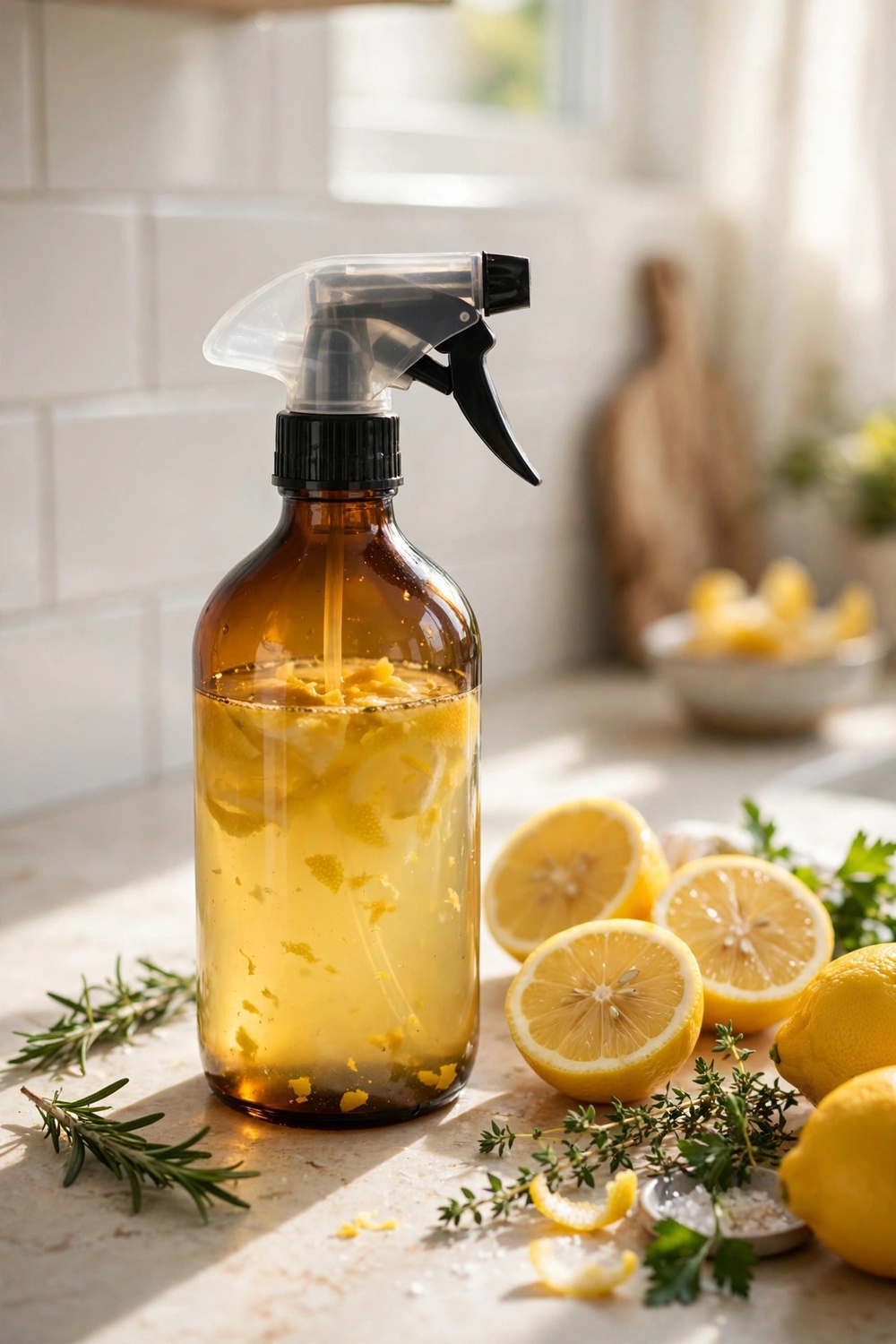
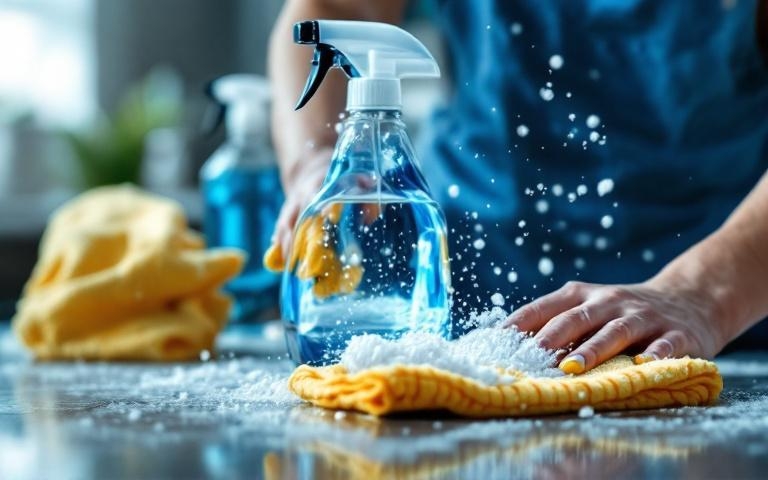
If you make only one of these diy cleaning products recipes, make this one. Mix 1 cup of white vinegar with 1 cup of water in a spray bottle, add 10 drops of lemon essential oil or a handful of lemon peels left to steep for a week, and shake before each use. Spray it on counters, sinks, stovetops, and bathroom surfaces, let it sit for a minute, and wipe with a damp cloth.
The vinegar cuts grease and soap scum, the lemon covers the vinegar smell, and the water keeps the mix gentle enough for daily use. This diy all purpose cleaner is the bottle you will reach for most, so mix a fresh batch every few weeks and keep it under the kitchen sink. A glass spray bottle suits it better than plastic, since vinegar and essential oils can wear plastic down over time.
Two limits to remember. Skip vinegar on marble, granite, and natural stone, because the acid etches the surface, and never mix vinegar with bleach. The same spray wipes painted walls too, with the same gentle approach as cleaning walls without damaging the paint: light pressure, small circles, and a soft cloth.
Once the spray is mixed, the rest of the routine gets easier: these deep cleaning hacks for a faster reset break the bigger jobs into small ones you can finish in one sitting.

Scrub Sinks and Tubs With Baking Soda Paste
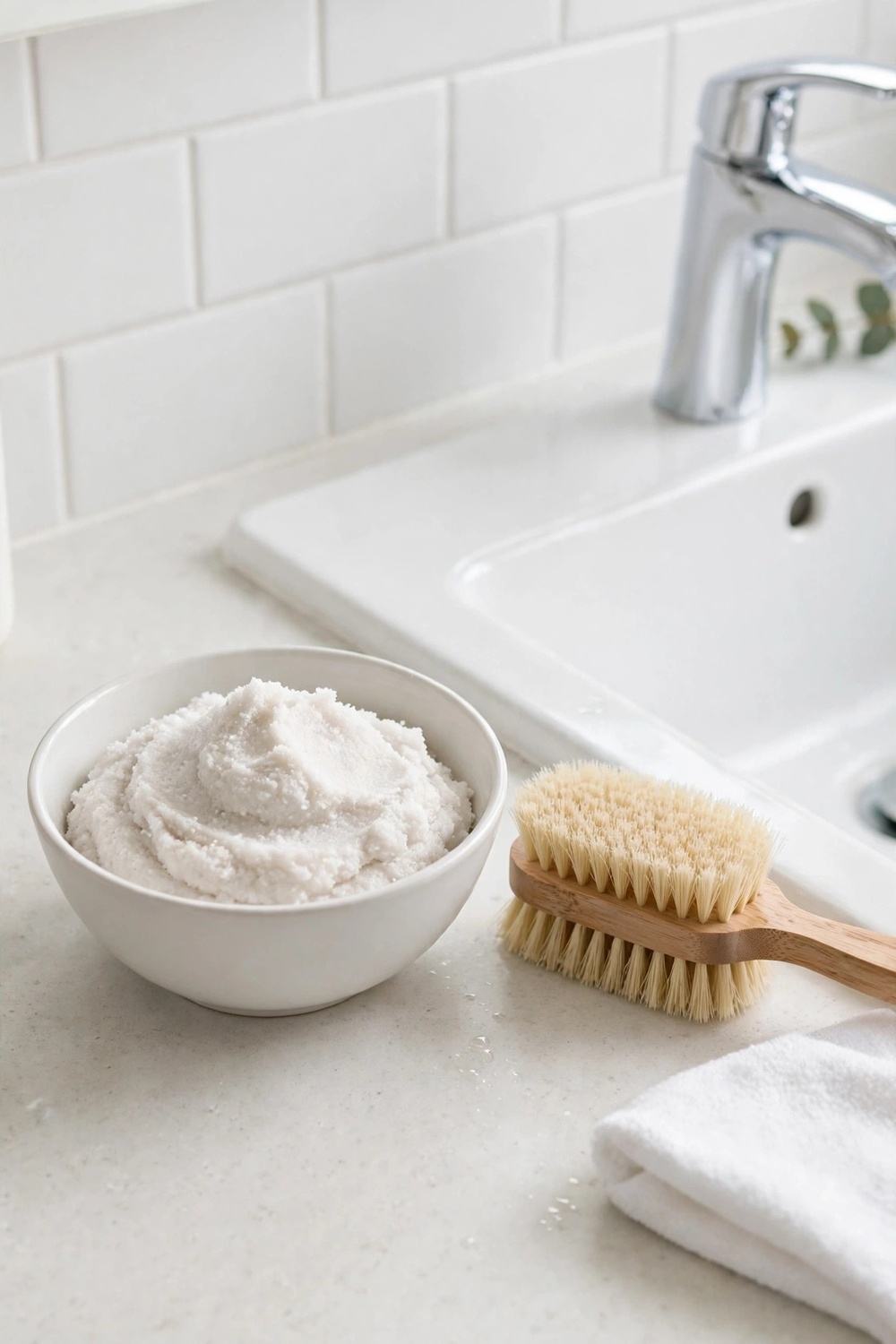
For the ring around the tub and the grime in the sink, a paste beats a spray. Stir 1 cup of baking soda with enough liquid castile soap to make a thick paste, about 3 or 4 tablespoons, and add a splash of water if it feels too dry. Spread it on the surface with a damp sponge, let it sit for five minutes, scrub in small circles, and rinse well.
Baking soda cleaning works because the powder is a mild abrasive: it lifts grime without scratching porcelain, enamel, or stainless steel. The castile soap carries the dirt away, and the paste clings to vertical surfaces long enough to do its work. Rinse with hot water at the end so no powdery film stays behind.
Make only as much paste as you need for one clean, since it dries out in the jar. For a stained sink, leave the paste on for fifteen minutes before you scrub, and for the tub, work from the top edge down so the rinse water carries the dirt with it.
Stiff brushes scrub sinks and tubs clean. See it on Walmart
Mix a Streak-Free Glass and Mirror Spray
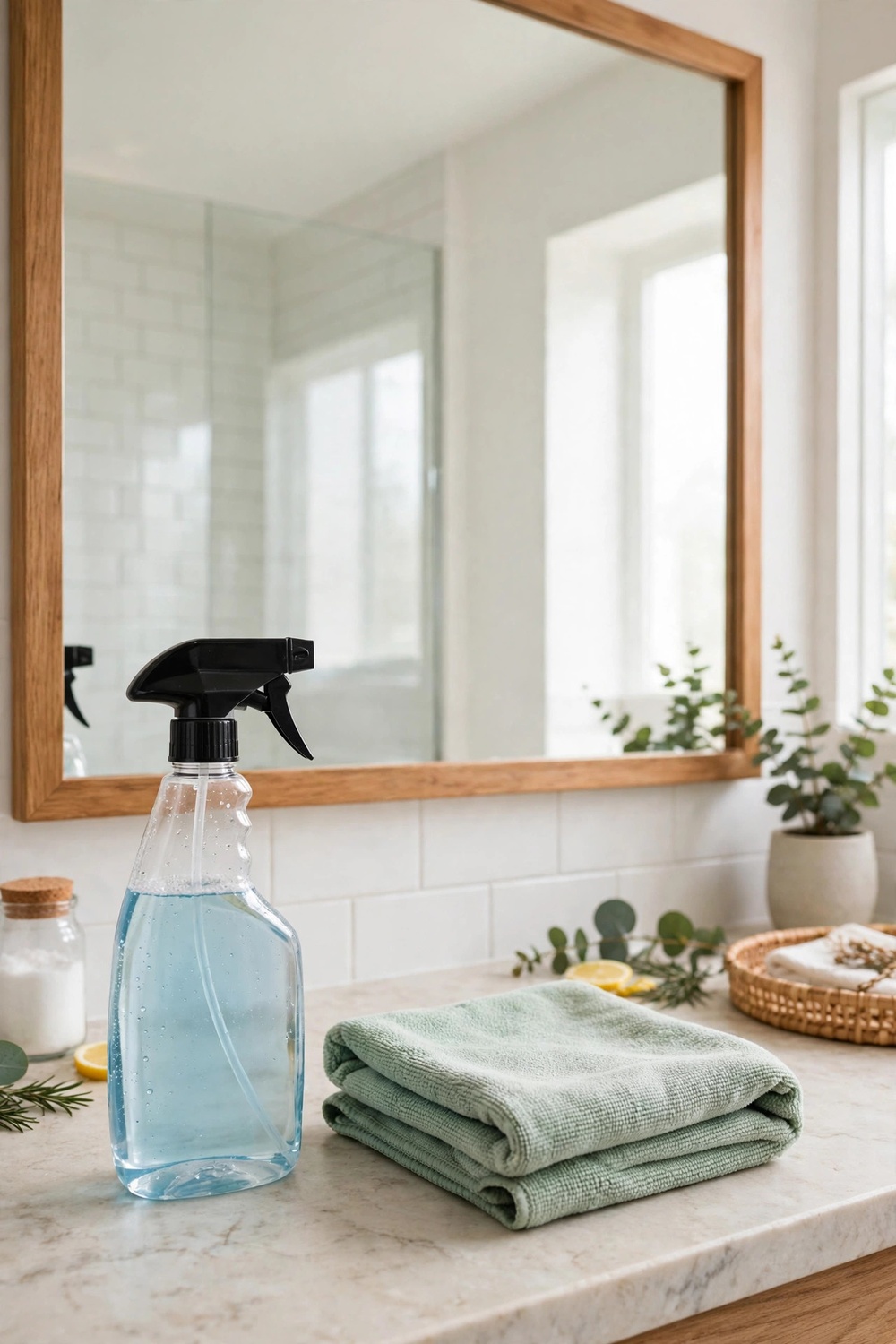
Glass streaks come from too much product, not too little cleaning. Mix 1/4 cup of white vinegar with 1 tablespoon of cornstarch in 1 quart of warm water, shake it in a spray bottle, and mist the glass lightly. Wipe with a microfiber cloth in straight lines, top to bottom, and the cornstarch keeps the vinegar from drying into streaks.
This vinegar cleaning spray works on windows, mirrors, and glass shower doors. Spray less than you think you need, and buff the last pass with a dry corner of the cloth. If the mirror still shows haze, the cloth is the problem, not the mix: wash microfiber cloths without fabric softener, which coats the fibers and leaves smears behind.
The same spray handles the bathroom mirror after a steamy shower and the front of the microwave. If sticky little fingerprints cover every mirror in the house, the routine in how to clean a kids’ room shows how to fold glass into a quick tidy kids actually help with.
A microfiber cleaning cloth is the quiet hero here: it lifts dirt and grease without chemicals, and a clean one matters more than any recipe tweak.
|
MUST READ: |
Polish Wood With Olive Oil and Lemon
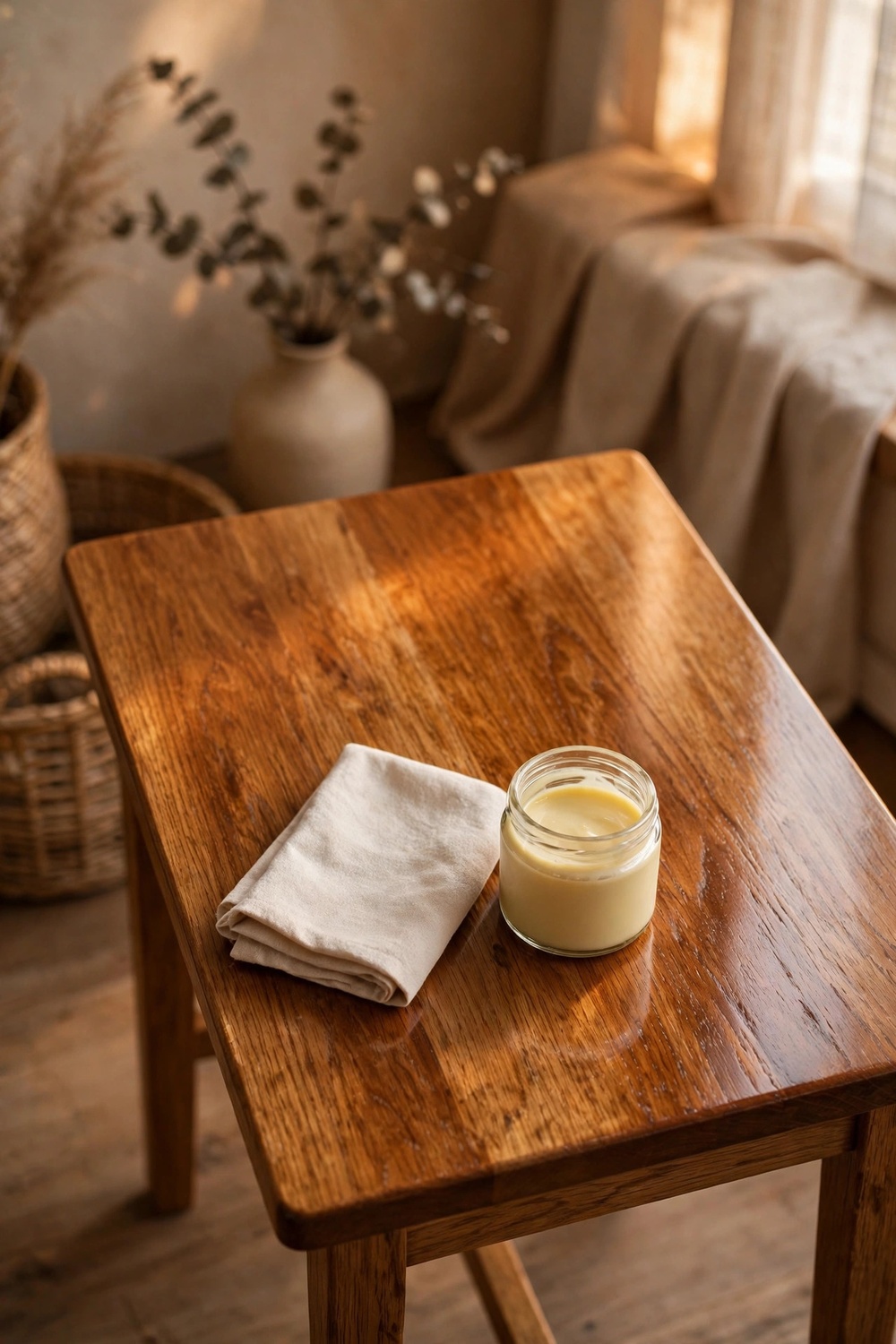
Wood polish is two ingredients: 1/2 cup of olive oil and 1/4 cup of lemon juice, shaken together in a small jar. Dampen a soft cloth with the mix, wipe the wood with the grain, and buff with a dry cloth until the shine comes up. The oil feeds the wood, the lemon cuts the dull film, and the smell beats any aerosol polish.
Use it on sealed wood furniture, tables, and wooden shelves, a thin coat at a time. Too much oil leaves a sticky film that attracts dust, so wipe off whatever the wood does not absorb within a few minutes. Of all the diy cleaning products recipes here, this is the one people notice first, because the table looks different the moment you finish.
Skip it on unsealed or raw wood, which drinks the oil unevenly, and on floors, where oil makes the surface slippery. Store the jar in the fridge and shake it before each use, since the oil and lemon separate between polishes.
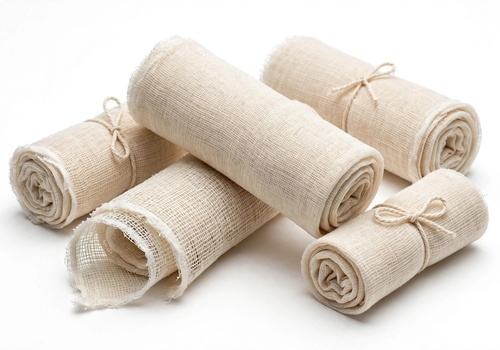
Soft cheesecloth applies polish without leaving lint. Check the price at Walmart
Freshen the Toilet Bowl With Baking Soda and Vinegar
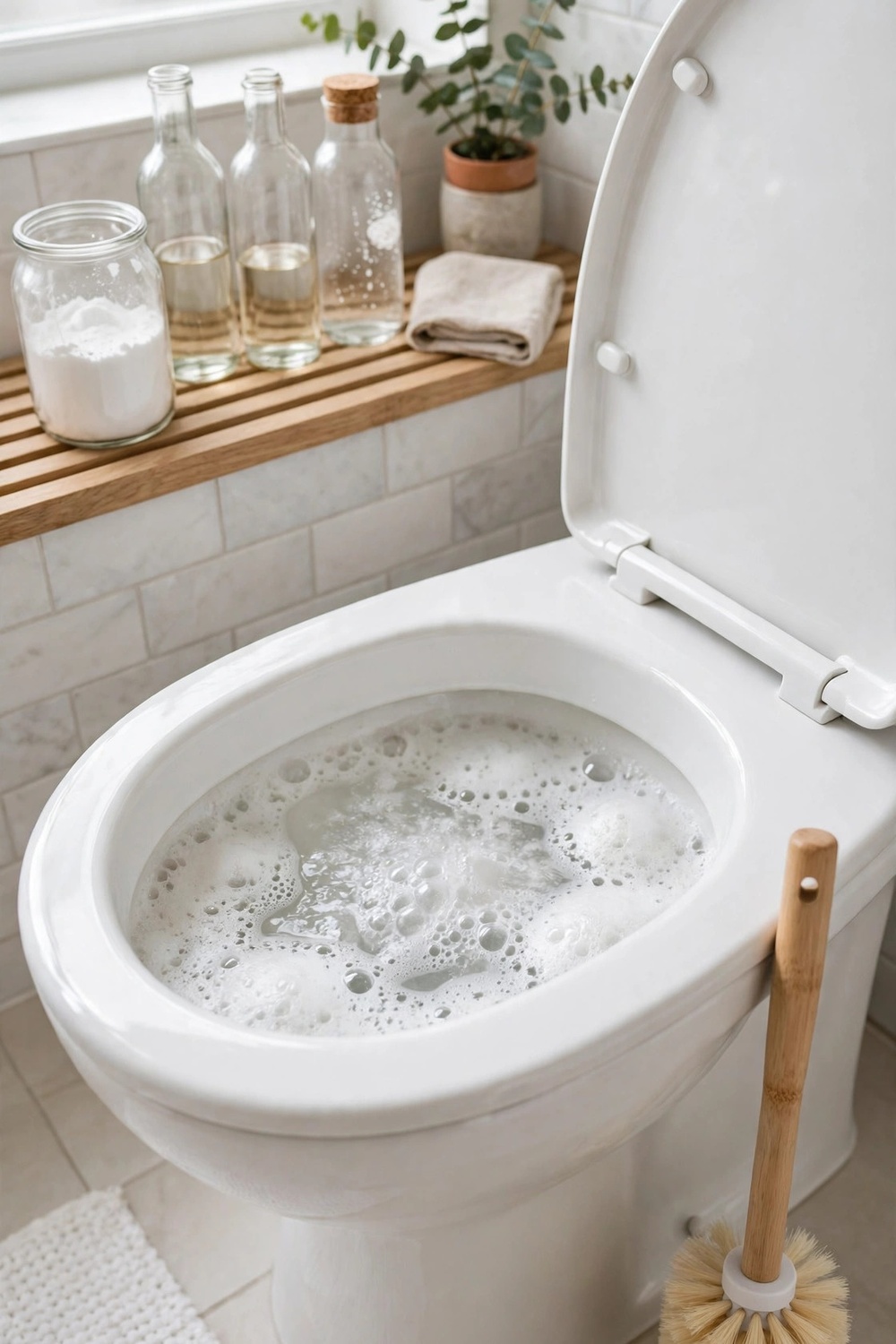
Sprinkle 1/4 cup of baking soda around the toilet bowl, pour in 1 cup of white vinegar, and let the fizz work for 3 to 30 minutes. Scrub with a toilet brush, paying attention to the water line and under the rim, then flush. For a stained bowl, leave the mix overnight and scrub in the morning.
The fizz does the loosening, the baking soda does the scrubbing, and the vinegar cuts the mineral film. Add 10 drops of tea tree oil for a fresh scent, and keep a small jar of the mix under the bathroom sink so the job takes two minutes instead of a weekend chore.
One caution from the extension guides: borax, which some toilet recipes use for tough stains, can irritate skin, eyes, and breathing, so keep it away from children and pets and wear gloves when you handle it. An essential oil cleaning set covers the scent for this recipe and for half the others in this list, so one small box goes a long way.
Make Your Own Laundry Detergent
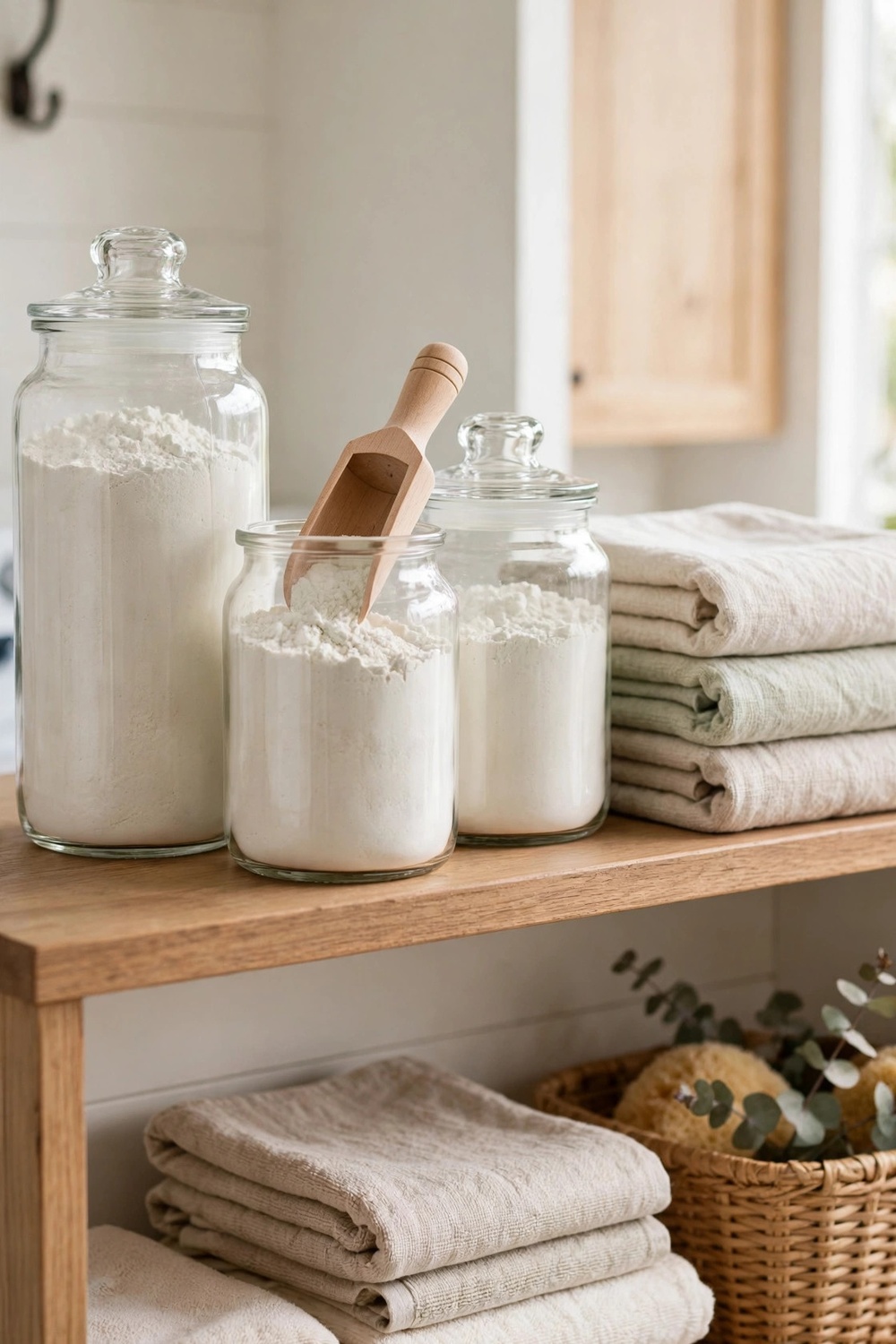
Grate one bar of castile soap, then mix it with 1 cup of washing soda and 1 cup of borax in a large jar. Shake well, label the jar, and use 1 to 2 tablespoons per load, depending on how dirty the laundry is and how hard your water runs. One batch lasts for months, and the jar costs a fraction of boxed detergent.
This is the recipe that turns skeptics into believers, because the clothes come out clean and the laundry room stops smelling like a chemical aisle. Washing soda softens the water so the soap can work, and the borax boosts stain removal. Keep the jar sealed and dry, and keep it on a high shelf: borax is not for children or pets to reach.
If your machine is a front loader, use the smaller amount and add the powder to the drum, not the dispenser drawer, so it dissolves fully. This is one of those diy cleaning products recipes that rewards a single afternoon of mixing with months of not thinking about detergent at all.
Fold the habit into a weekly rhythm: these daily habits that keep the house clean make laundry, dishes, and surfaces part of the day instead of a pile at the end of the week.
Washing soda powers homemade laundry detergent well. Shop it at Walmart
Shine Stainless Steel Without Streaks
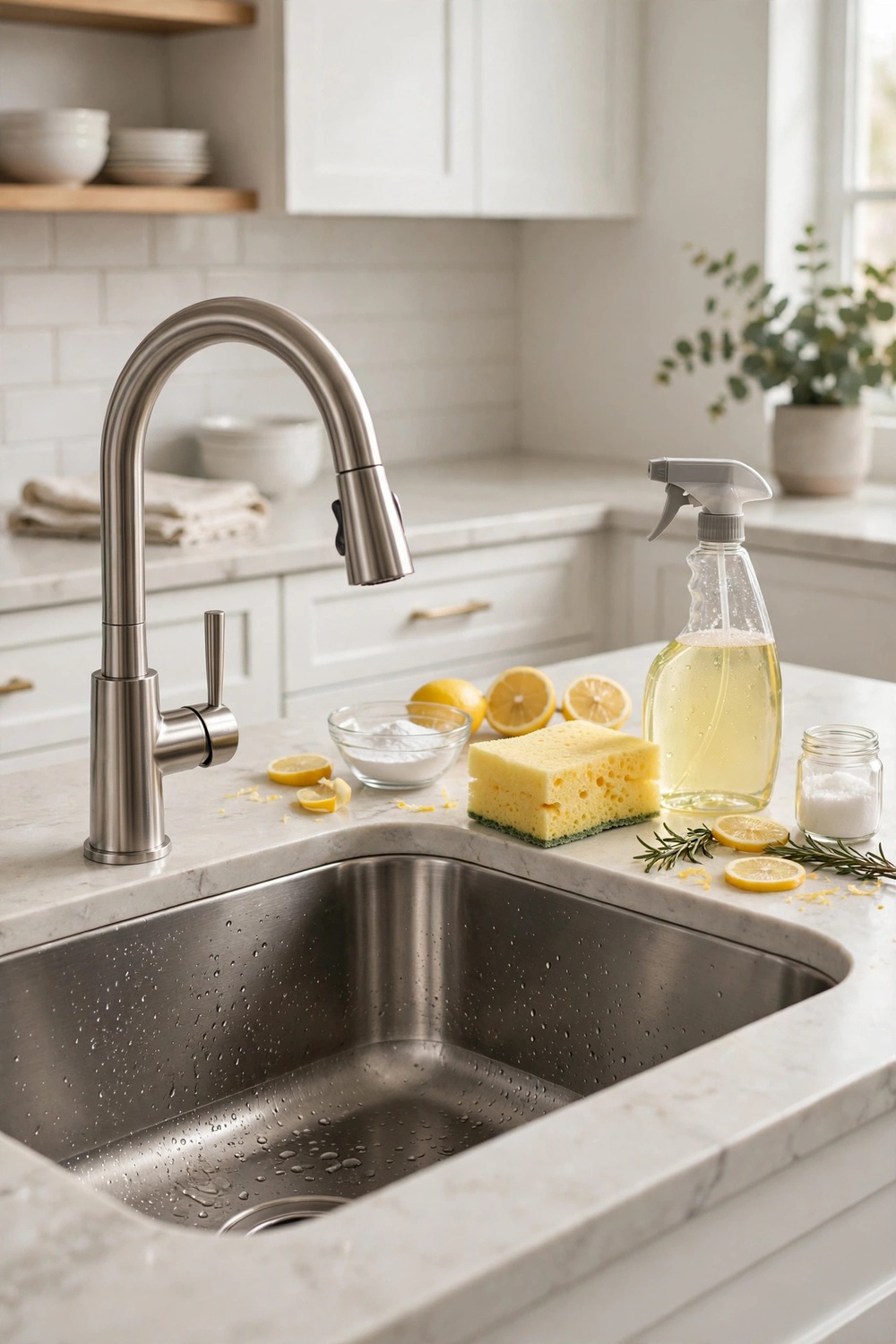
Stainless steel shows every fingerprint, and the fix is simpler than the shelf of steel cleaners suggests. Spray the surface with undiluted white vinegar, wipe with the grain using a soft cloth, then put a few drops of olive oil on a clean cloth and buff the same direction. The vinegar dissolves the film, the oil fills the fine scratches, and the steel looks new for days.
Always wipe with the grain, never in circles, because circles show up as swirls the moment the light hits the steel. For stuck food on the sink, make a paste of baking soda and water, rub gently with the grain, and rinse before you buff with oil.
Keep one cloth for the vinegar pass and a second clean one for the oil, so you never smear the first step into the second. A non scratch cleaning sponge handles the sink itself without marking the finish, and the same sponge works on the stovetop.

Deodorize Carpets With Baking Soda Powder
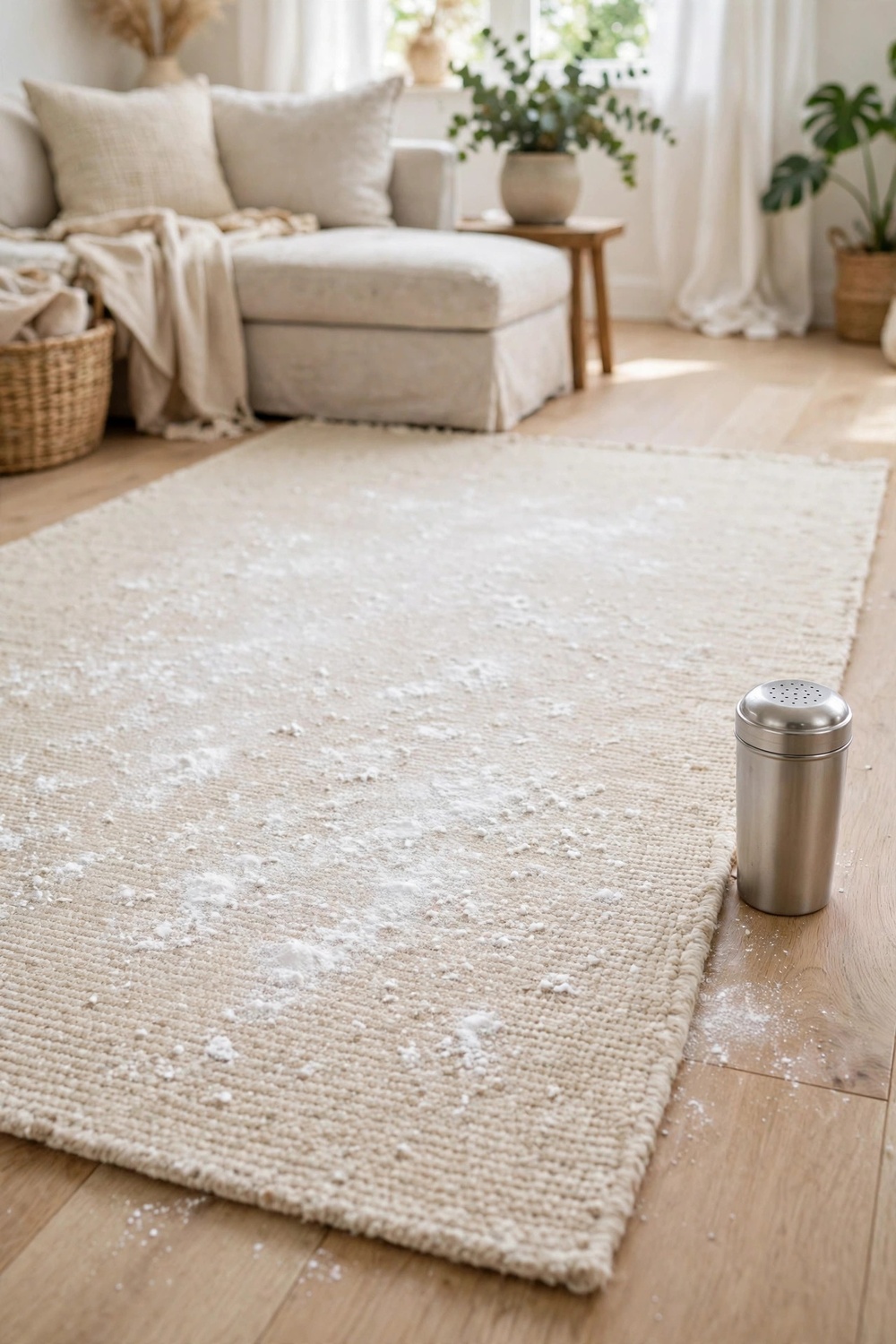
Mix 1 cup of baking soda with 10 to 15 drops of lavender or lemon essential oil in a jar, shake well, and let it sit overnight so the scent soaks into the powder. Sprinkle it over the carpet, wait 30 minutes, and vacuum slowly in overlapping passes. The baking soda absorbs the odors instead of covering them, and the room smells like the oil, not like a spray can.
This is the recipe to reach for after a pet accident, a spilled snack, or a rug that has simply lived in the house too long. For pet smells in particular, these pet hair cleaning hacks for rugs and bedding get the fur out first, and the powder finishes the job on the smell that stays behind.
Vacuum twice if the carpet is thick, since baking soda hides deep in the pile. Of all the diy cleaning products recipes here, this is the cheapest per use, and the jar keeps for months on a shelf.
Press Your Own Dishwasher Tablets
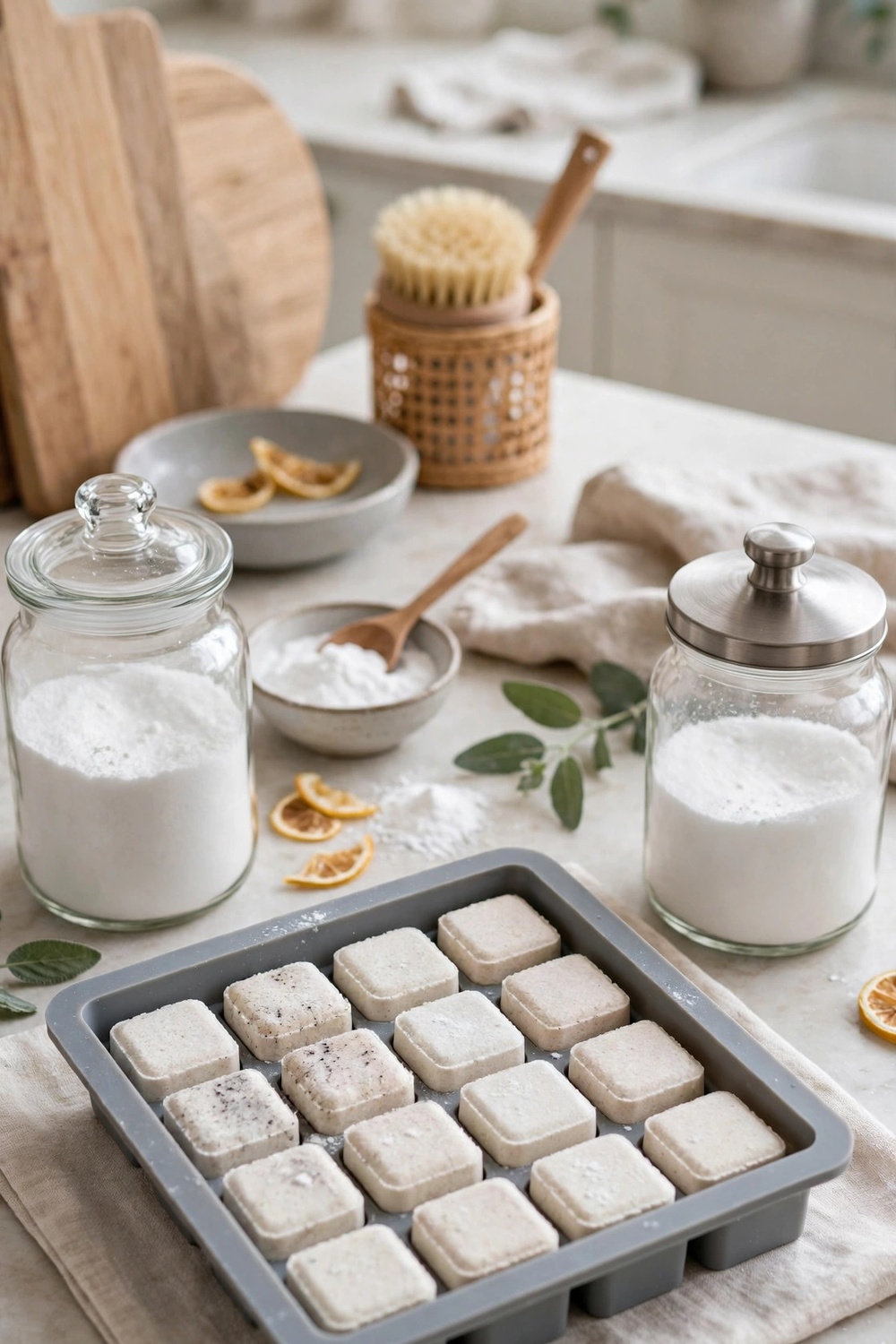
Mix 1 cup of washing soda with 1 cup of baking soda, 1/2 cup of citric acid, and 1/2 cup of fine salt. Spritz the mix with water until it holds together when squeezed, press it firmly into silicone molds, and leave the tablets to dry for 24 hours before you pop them out. Store them in a sealed jar, one tablet per load.
The washing soda cuts grease, the citric acid fights hard-water spots, and the salt keeps the mix from clumping in the jar. If a tablet crumbles when you pop it out, the mix was too dry: spritz a little more water and press again. If it fizzes hard while you mix, the citric acid met the water too early, so add the water last and work fast.
Run the dishwasher on hot for the first few loads, since homemade tablets dissolve slower than store-bought ones. When guests are coming and the kitchen needs to look done fast, the tricks to fake a clean house in 10 minutes buy you the time while the dishwasher runs.
A silicone mold for soap is the easiest way to shape the tablets: flexible, cheap, and the tablets pop out clean once they are dry.
|
MUST READ: |
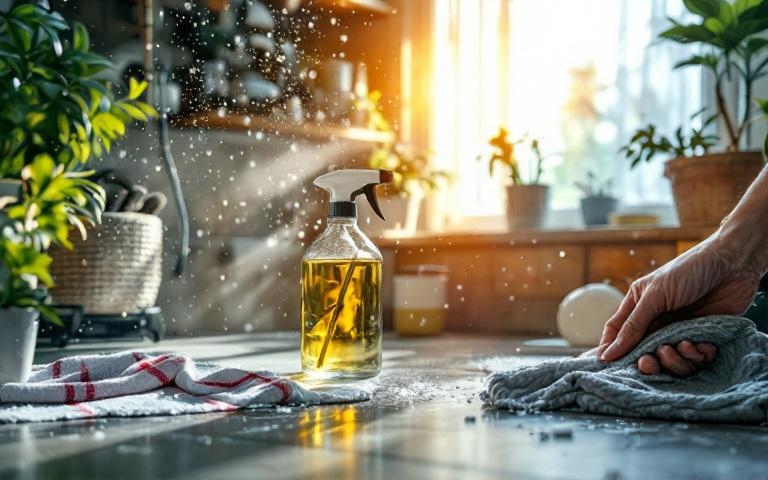
Spray Linens Fresh With a Lavender Mist
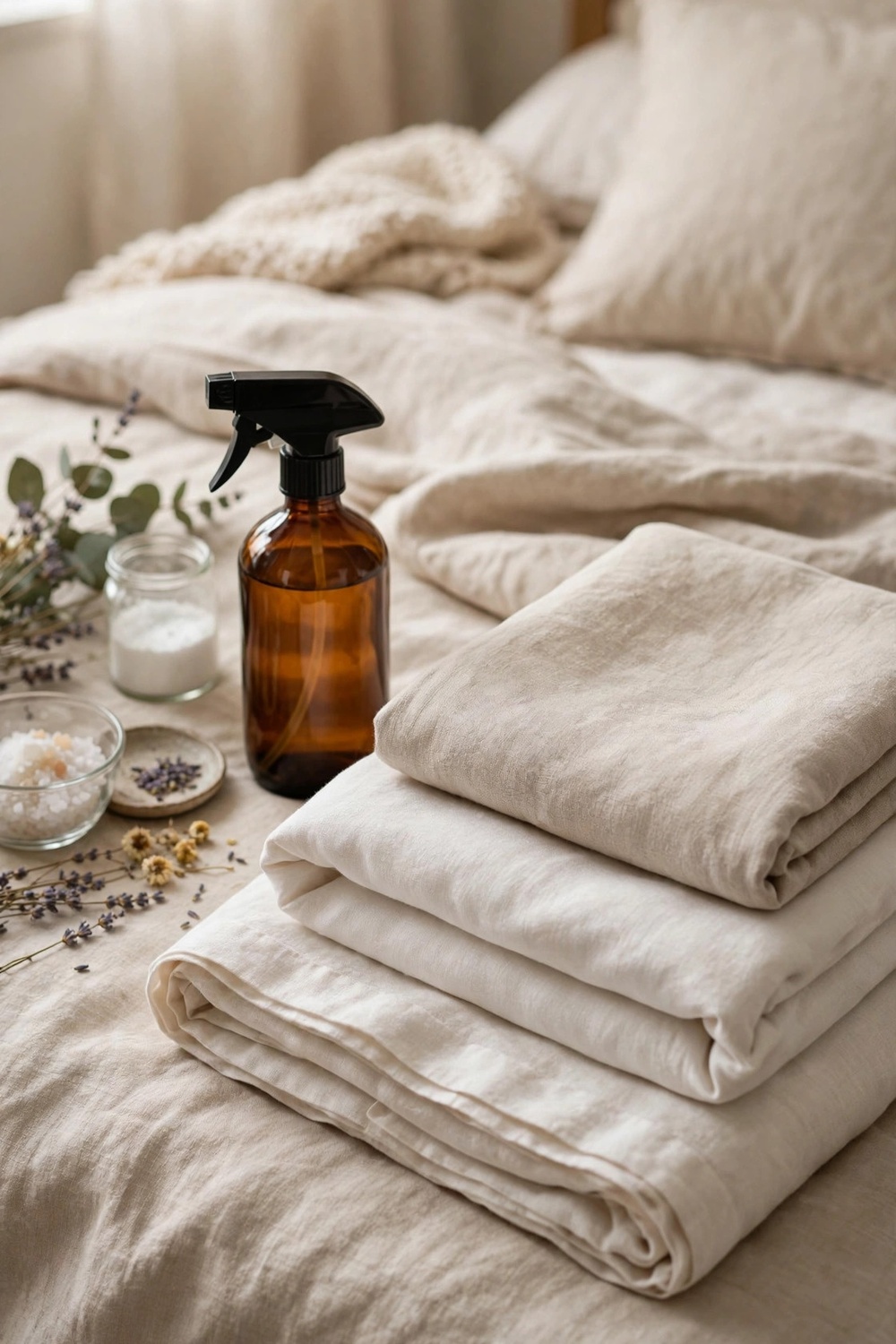
Mix 2 cups of water with 2 tablespoons of baking soda and 10 drops of lavender essential oil in a spray bottle, shake well, and mist the bed, the curtains, and the sofa from about 30 centimeters away. The baking soda neutralizes odors, the lavender leaves a light scent, and the fabric dries in minutes without a mark.
This is the five-minute refresh for bedding between washes, for the guest room that has sat closed all week, and for the sofa after a movie night. Mist lightly: a damp cushion smells worse than a dry one, so two light passes beat one heavy soaking.
Label the bottle and keep it with the laundry supplies, so the spray is there when the bedding comes out of the dryer. Fresh bedding is the fastest way to make a bedroom feel clean, and the bedroom checklist for a proper deep clean shows how the spray fits into a full bedroom reset.
Of all the diy cleaning products recipes in this list, this is the one to make first if the house already looks clean but does not smell like it yet.
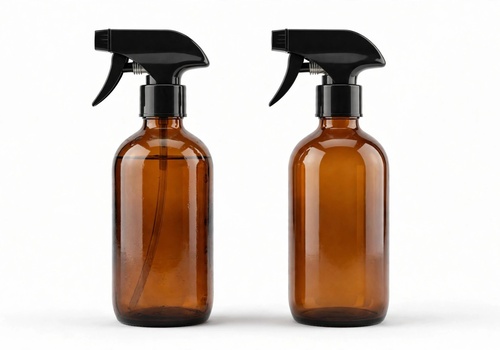
Amber bottles keep linen spray fresh longer. Get it at Walmart
Key Facts
- Three pantry staples cover most jobs: white vinegar, baking soda, and castile soap.
- Never mix vinegar with bleach, and never mix bleach with ammonia: the fumes are dangerous.
- Skip vinegar on marble, granite, and natural stone: the acid etches the surface.
- Label every bottle with the recipe and the date you mixed it.
- Make small batches and use them within a few weeks: homemade mixes have no preservatives.
- Start with the all-purpose spray: it handles counters, sinks, and most daily messes.
|
MUST READ: |

FAQ
Are homemade cleaning products safe?
Yes, when you treat them like real cleaners: label every bottle, keep them out of reach of children and pets, and never mix vinegar with bleach or bleach with ammonia. Vinegar, baking soda, and castile soap are gentle, but borax can irritate skin, eyes, and breathing, so wear gloves when you handle it and store it on a high shelf.
Do DIY cleaners actually disinfect?
They clean well, which means they remove dirt and germs from a surface, but most homemade mixes are not proven disinfectants. The University of Arkansas Extension notes that DIY green cleaners are not recommended for disinfecting against the SARS-CoV-2 virus. When a surface needs true disinfecting, use an EPA-approved disinfectant and follow its label.
How long do homemade cleaners last?
Use them within a few weeks. Homemade mixes have no preservatives, so the scent fades, the ingredients separate, and water-based sprays can grow mold if they sit for months. Mix small batches, write the date on the bottle, and remake the ones you use most every two to four weeks.
Can I use vinegar on every surface?
No. Skip vinegar on marble, granite, and other natural stone, because the acid etches the surface, and skip undiluted vinegar on hardwood floors. It is safe on glass, porcelain, stainless steel, sealed countertops, and most bathroom surfaces. When in doubt, test a hidden spot first.
What do I need to start making my own cleaners?
Five ingredients and a few bottles: white vinegar, baking soda, washing soda, liquid castile soap, and lemon, plus a set of glass spray bottles and a marker for labels. That starter kit covers every one of these diy cleaning products recipes, and the bottles are the only thing you need to buy once.
Sources & Citations

Enjoying our content? Make us a preferred source on Google.





Add comment