

A cleaner home without the marathon

20 years of experience as a home decor consultant, specializing in furniture selection, space-conscious layouts, and practical interior solutions.
Deep cleaning hacks work best when you stop treating the whole house as one giant job and break it into small, timed tasks instead. Start at the top of each room and work down, let cheap supplies like vinegar and baking soda do the waiting for you, and tackle one room or one shelf at a time.
These 14 lazy-friendly tricks cover the kitchen, bathroom, bedroom, and living room, so your home feels properly clean without losing a whole weekend to scrubbing.
|
MUST READ: |

Clean Top to Bottom, Always
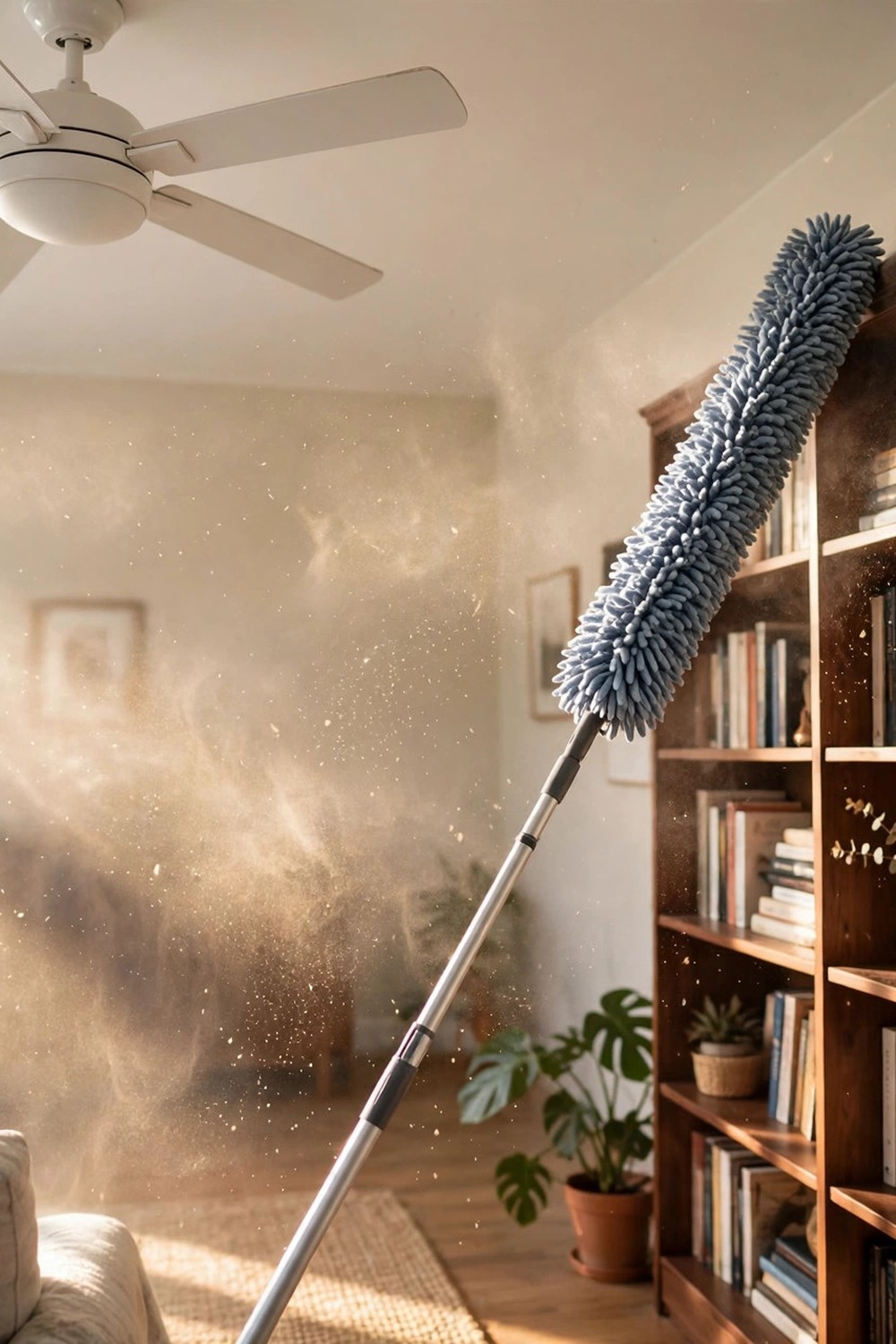
Gravity is doing half the work for you, whether you like it or not. Dust falls down, so if you start with the floors, you will be dusting the shelves twice. Start high instead: ceiling fans, light fixtures, the tops of wardrobes and cabinets, then work your way down the walls to the skirting boards.
A long-handled duster makes the high spots a five-minute job instead of a chair-balancing act. I would keep one by the cleaning cupboard so reaching for it feels easy, not like a project. An extendable microfiber duster traps dust instead of pushing it into the air, which matters if the room gets sneezes going the moment you start.
The part people overlook is the top of the door frames and the picture rails. Run a damp cloth along them while you are up there and the whole room looks sharper, even before you touch the floor.

Set a Timer and Race the Room
Most deep cleaning hacks fail for the same reason: they ask for a whole free weekend, and weekends have other plans. A timer fixes that. Give each room fifteen minutes, set the timer where you can see it, and stop when it rings.
The deadline changes how you clean. You stop reorganising the bookshelf and start wiping, dusting, and moving on. I like starting with the messiest corner, because the visible progress keeps me going through the boring bits.
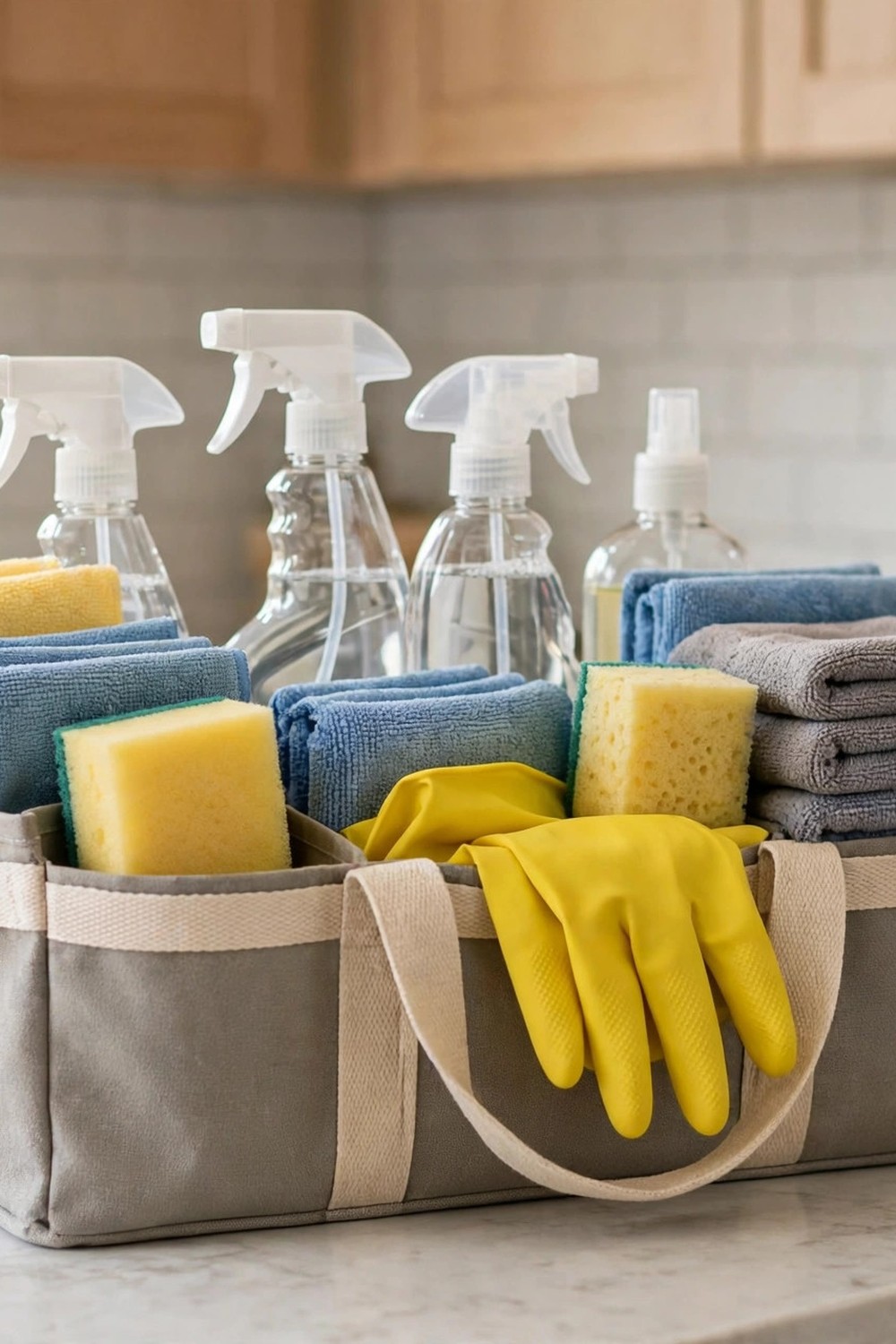
Keep everything in one caddy so you are not wandering back to the cupboard every two minutes. A cleaning caddy tote with your sprays, cloths, and gloves means the fifteen minutes are spent cleaning, not fetching.
Bag the Showerhead in Vinegar Overnight
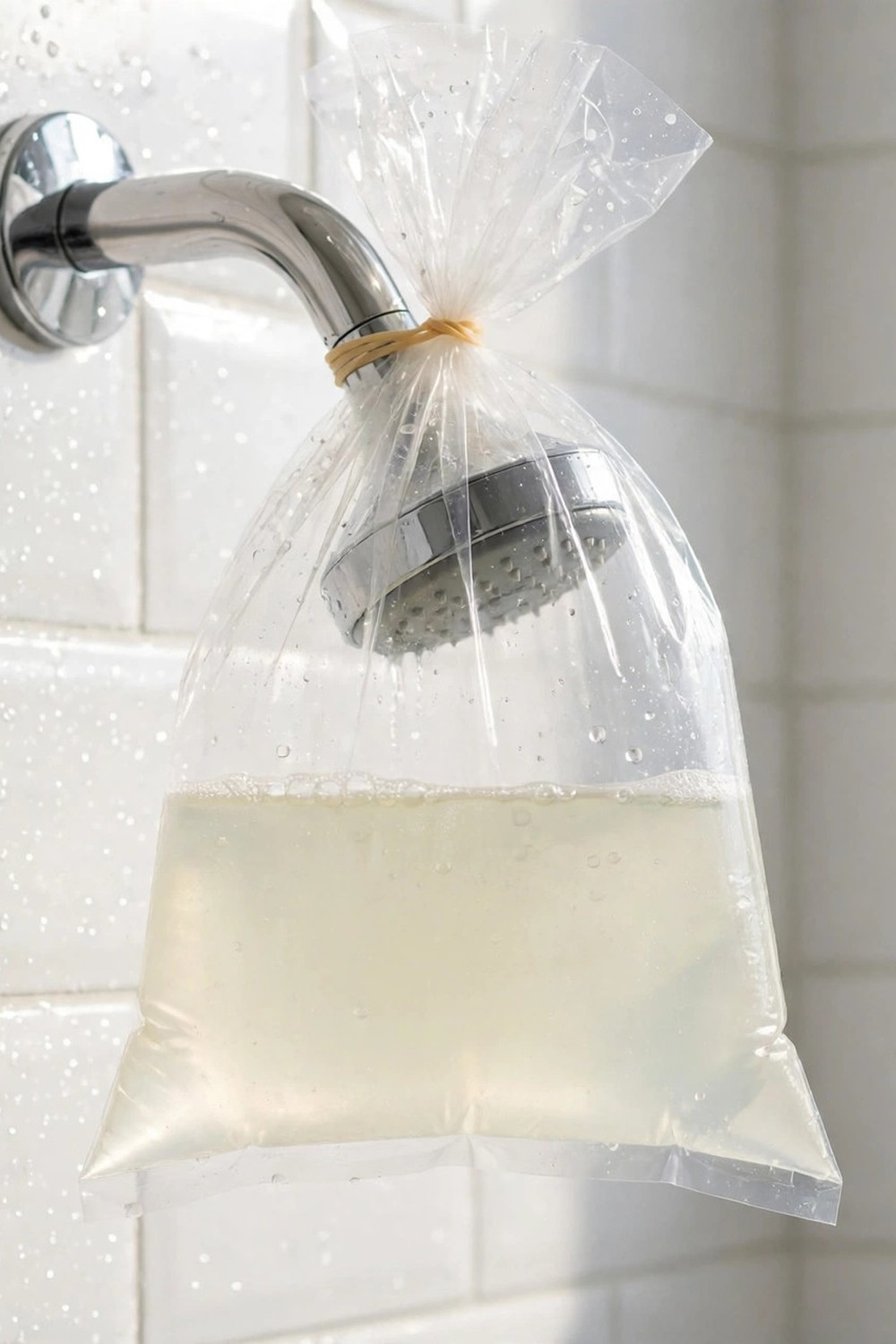
A showerhead that sprays sideways is usually just clogged with limescale, not broken. Fill a sturdy plastic bag with white vinegar, tie it around the showerhead so the holes are submerged, and leave it overnight. The acid dissolves the mineral buildup while you sleep.
In the morning, remove the bag, run the shower for a minute, and wipe the nozzles with a cloth. The spray should come out even again. If a few holes are still blocked, a wooden toothpick clears them without scratching the finish.
This is the lazy cleaner’s dream: the product does the work while you do nothing. A gallon of cleaning vinegar costs very little and lasts for months of showerheads, kettles, and taps. Just keep vinegar away from natural stone, where the acid can mark the surface.
|
MUST READ: |
Baking Soda on the Mattress, Then Vacuum
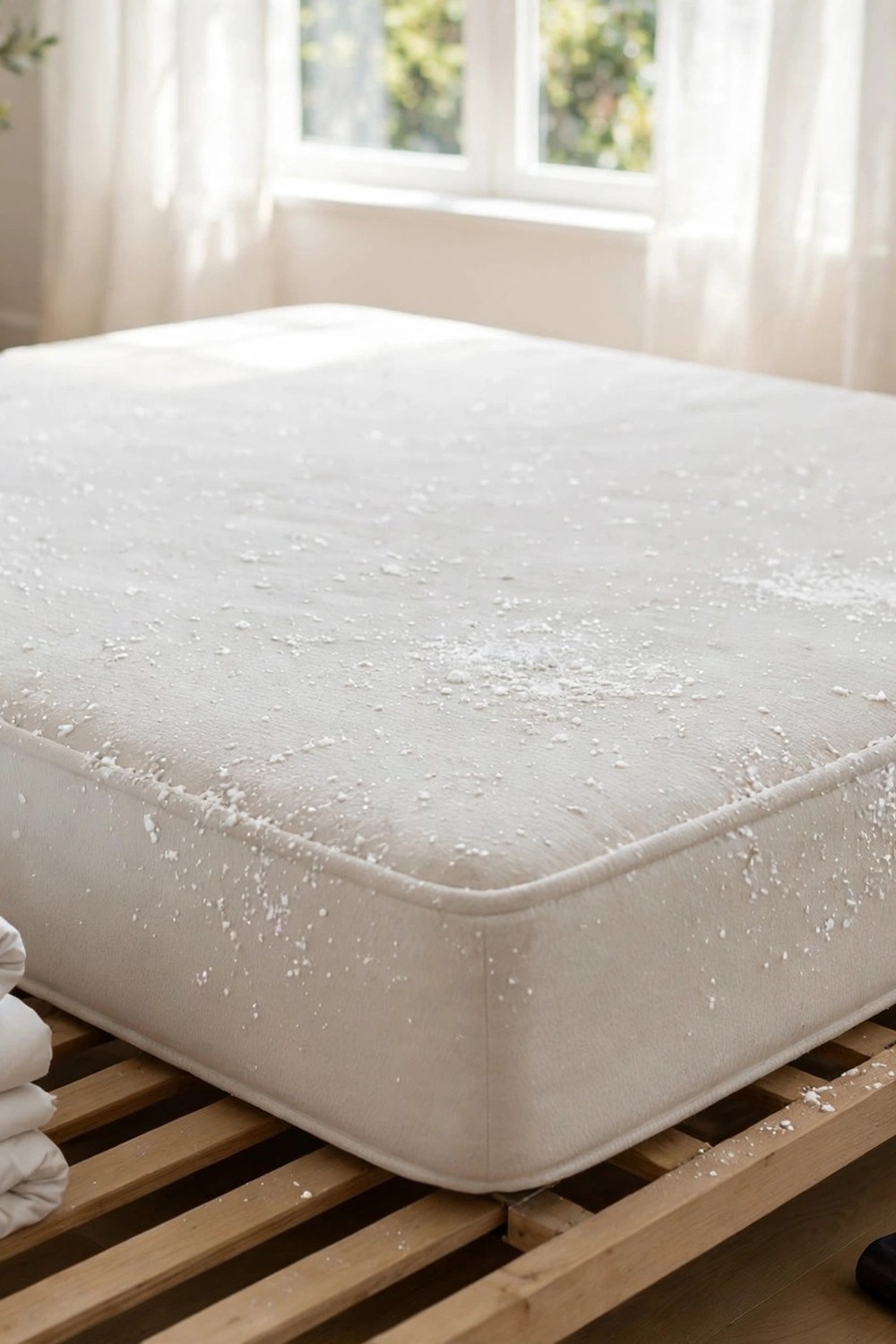
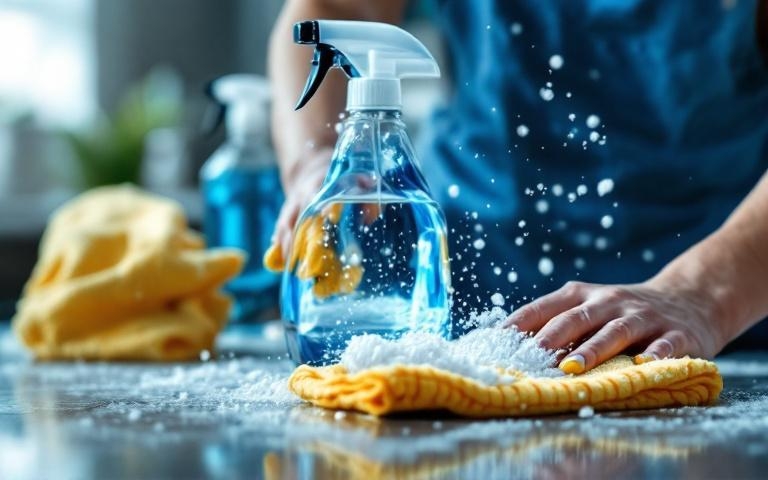
Mattresses collect sweat, dust, and the odd mystery smell, and nobody wants to scrub one. Baking soda handles the smell without any scrubbing at all. Strip the bed, sprinkle a generous layer over the whole surface, and leave it for at least an hour.
While it sits, the powder absorbs odours. Then vacuum it up slowly with the upholstery attachment, going over the surface twice so no powder is left behind. The mattress smells fresher and looks brighter, and you never had to get it wet.
Do this when you change the seasons or the bedding, and it becomes a habit rather than a chore. A big bag of baking soda lives in my cleaning cupboard for exactly this, plus the fridge, the bins, and the carpet.


Grout Paste and an Old Toothbrush
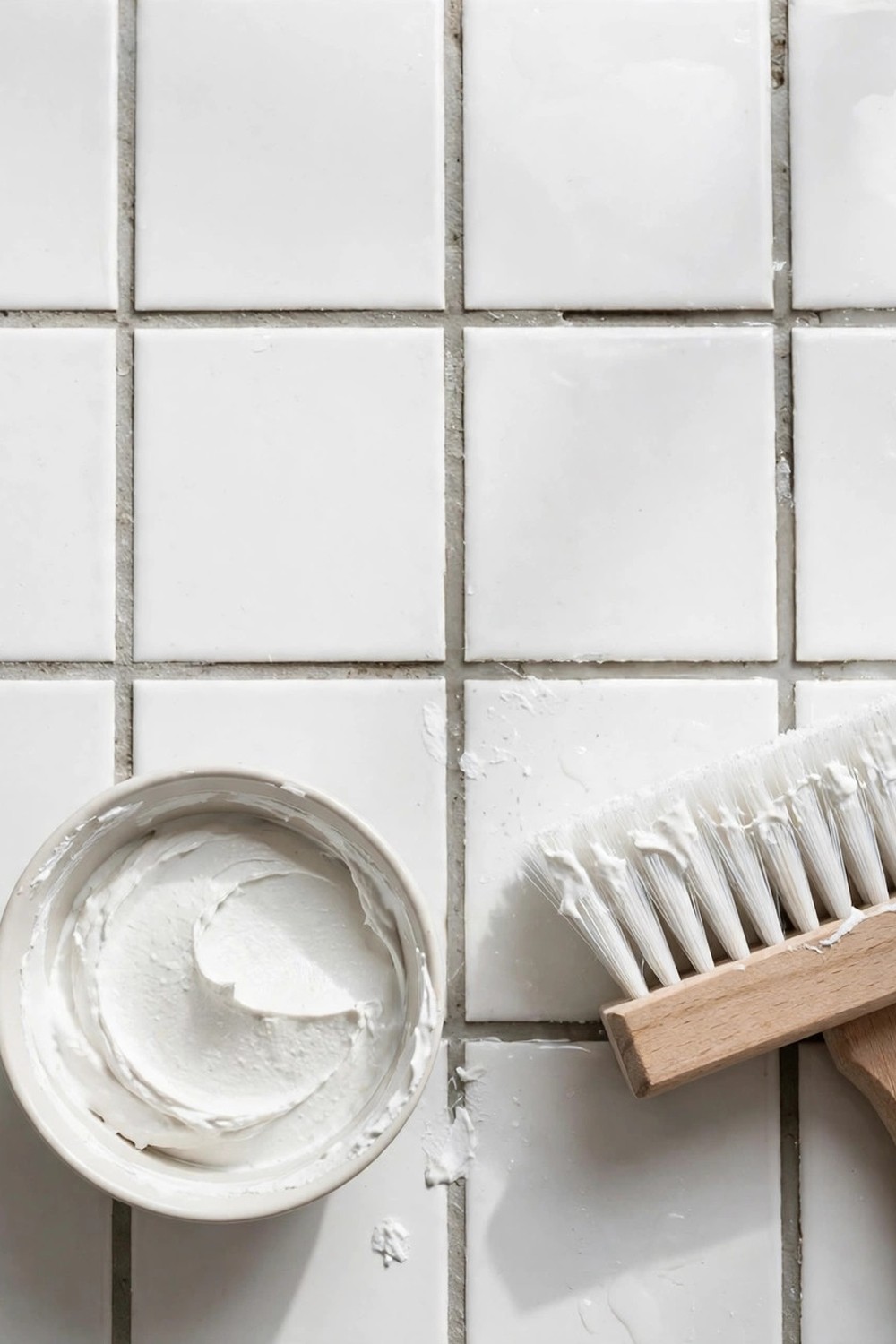
Grout is the part of the bathroom that makes the whole room look tired, even when the tiles are clean. Mix baking soda with a little water into a thick paste, spread it along the grout lines, and leave it for ten minutes.
Then scrub with a stiff brush. An old toothbrush works for a small patch, but for a whole floor your wrist will thank you for a proper tool. A grout brush set with a narrow head gets into the lines without scuffing the tiles around them.
Rinse with clean water and dry the floor so the grout does not stay damp. The honest truth: grout that has been stained for years may lighten rather than turn white again, and that is fine. Lighter, even grout still makes the room look freshly cleaned.
Dryer Sheets on the Baseboards
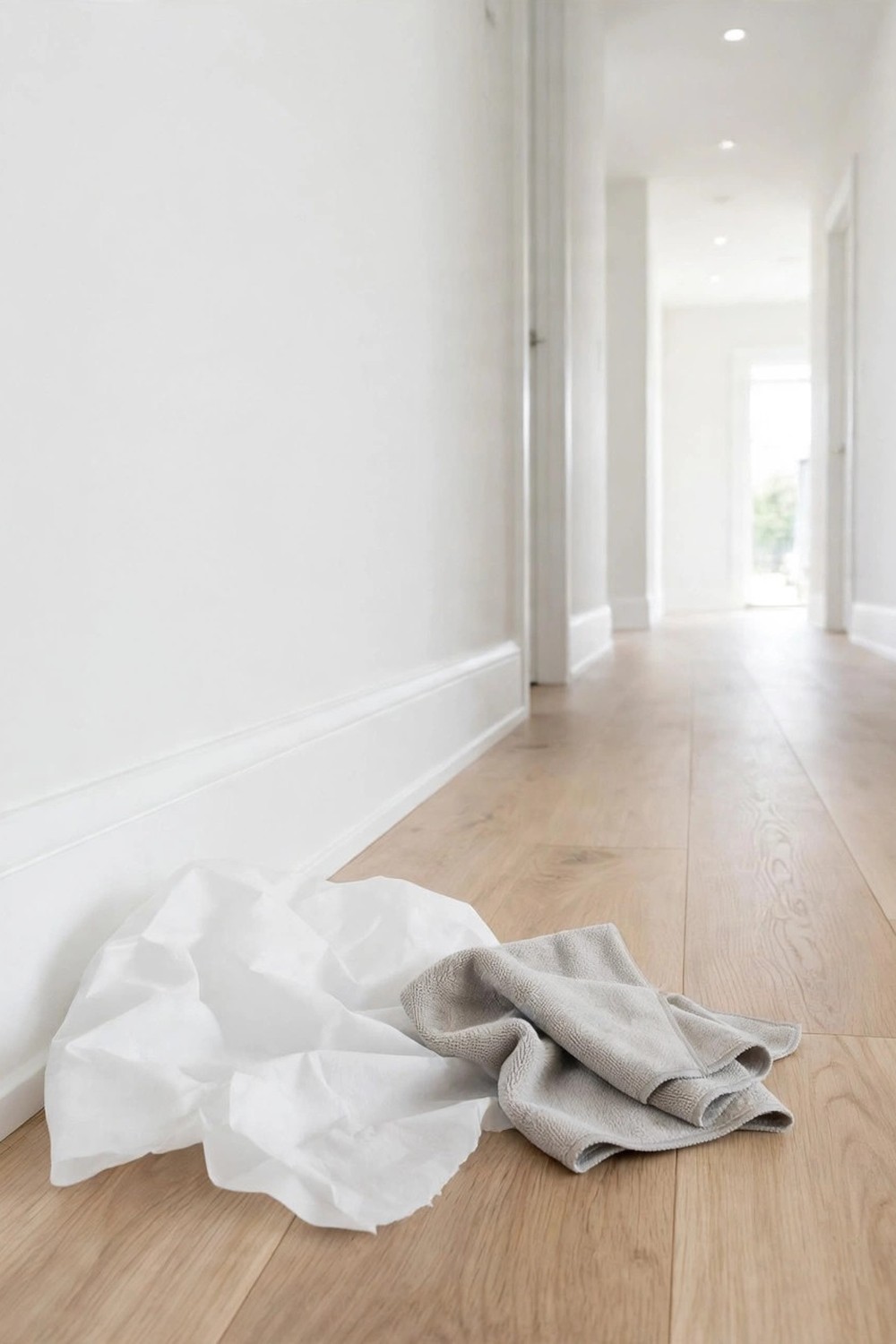
Baseboards are the detail your eyes skip until they are clean, and then suddenly the whole room looks sharper. Dust settles on the flat top edge, and a quick wipe is all it takes.
A used dryer sheet is my favourite tool here, because it leaves a light coating that helps repel dust for a while. Wipe along the top edge and the face of the board, then fold the sheet and do the corners. It takes about two minutes per room.
If you have pets, do the baseboards after vacuuming, not before, or the fur just lands on them again. A box of dryer sheets is cheap, and the used ones from the laundry work just as well as fresh ones for this job.
|
MUST READ: |
The Fridge, One Shelf at a Time

The fridge is where deep cleaning hacks earn their keep, because nobody wants to empty the whole thing at once. Take out one shelf, wipe it, put it back, and move on. Four shelves, four small jobs, and the fridge is done without a single puddle on the floor.
Warm soapy water is enough for most shelves. For sticky spots, lay a warm damp cloth over them for a few minutes first and let the heat loosen the mess. Wipe the door seals too, because crumbs collect in the folds and that is where smells start.
Clear bins make the next clean faster, because you lift the bin out and wipe it instead of chasing jars around the shelf. A set of clear refrigerator organizer bins also stops the back of the fridge turning into a graveyard of forgotten leftovers.

Run a Hot Cleaning Cycle in the Washer
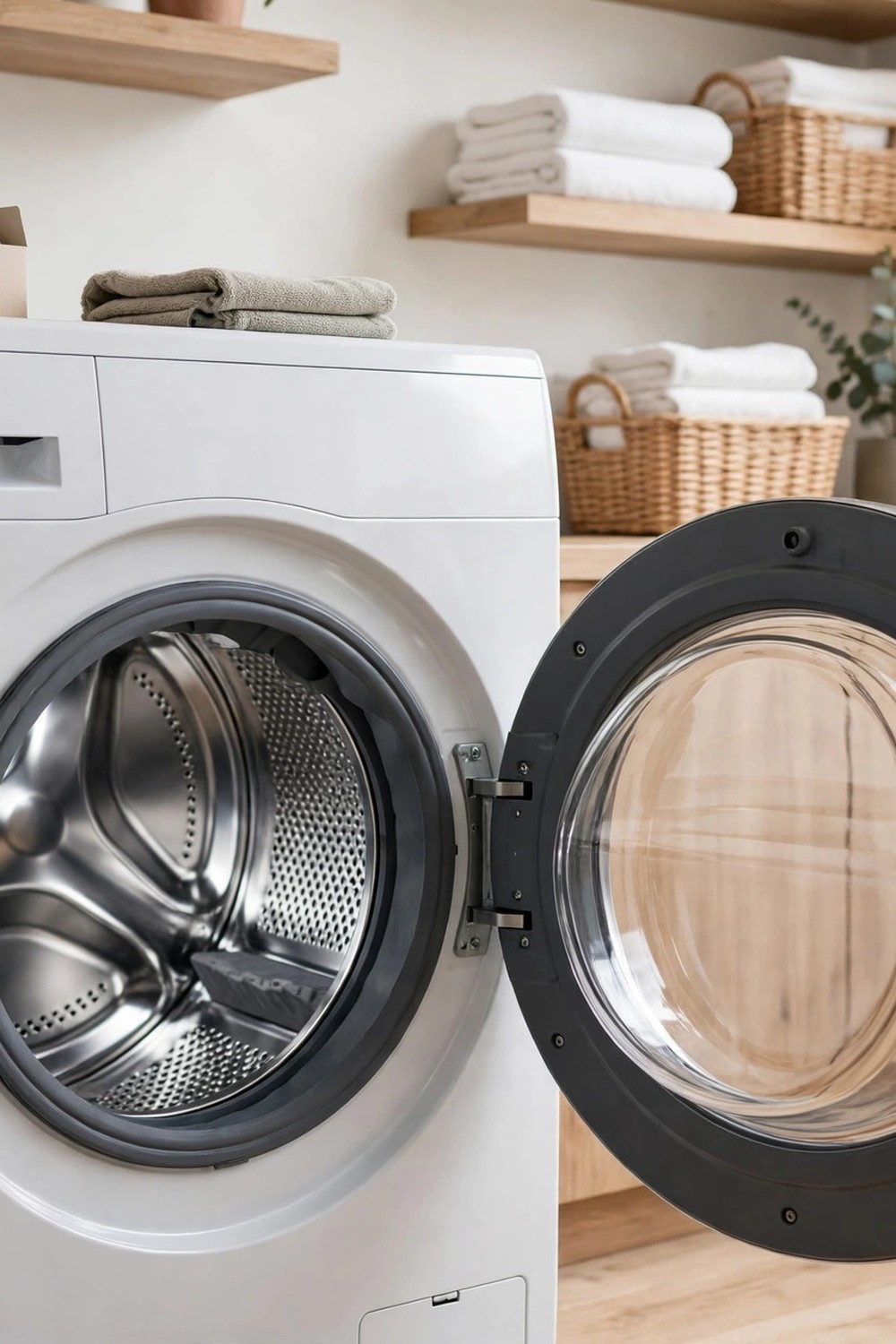
A washing machine that smells musty is usually just dirty itself. Run the hottest cycle it allows, empty, with a washing machine cleaner or two cups of white vinegar in the drum. The heat and the cleaner flush out the detergent residue and the smell that comes with it.
While it runs, wipe the rubber seal around the door. Pull the folds open gently and wipe inside them, because that dark ring is where mould likes to settle. Leave the door open after every wash so the drum dries, and the smell stays away much longer.
Do this once a month and the machine stays fresh. A pack of washing machine cleaner tablets makes it a one-step job: drop one in, run the hot cycle, and wipe the seal while you wait.
Blinds Love a Damp Sock
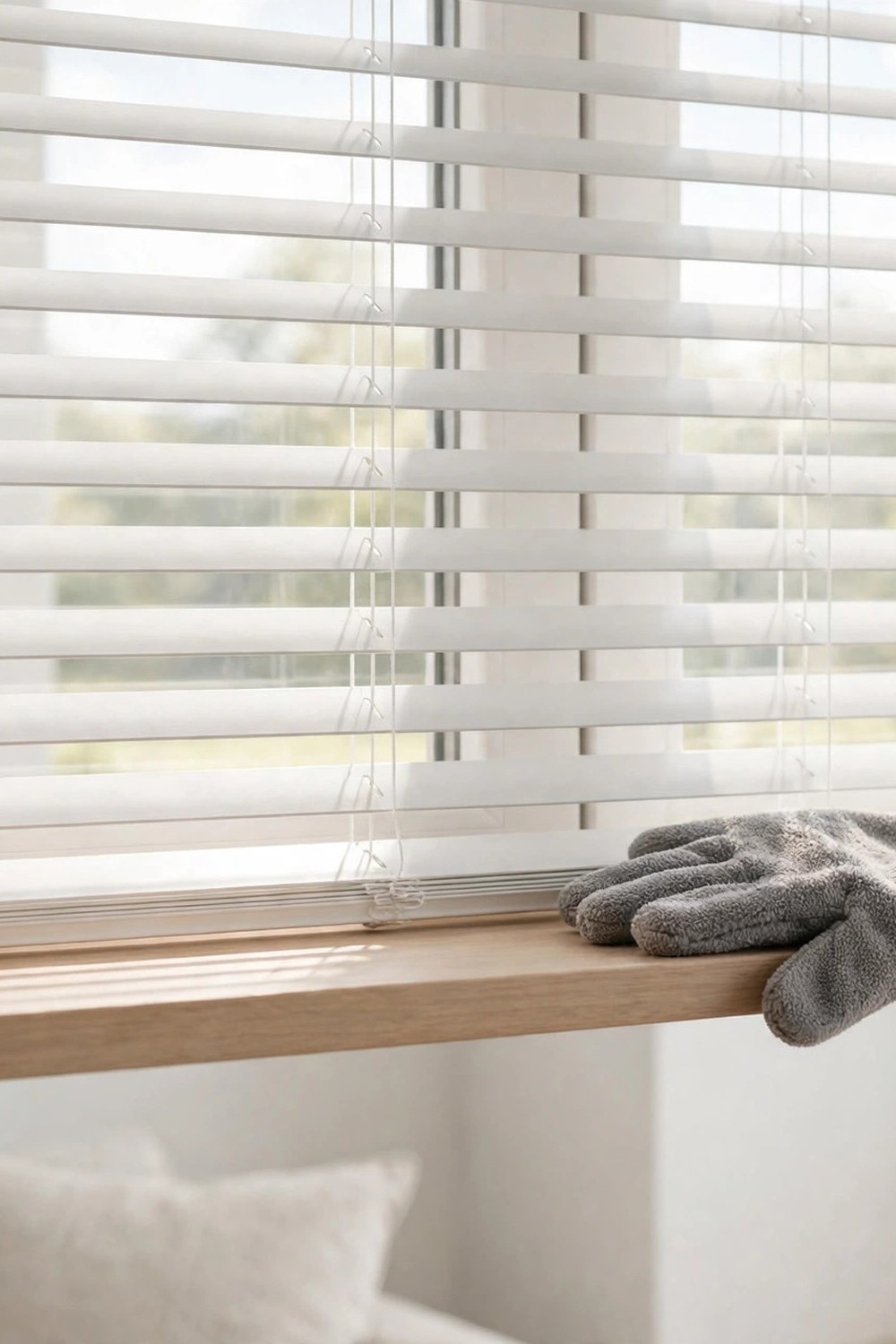
Blinds collect dust on every single slat, and they look grey long before you notice. The quickest way through them is a damp sock on your hand. Wipe each slat top and bottom, and the dust comes off in one pass.
For a deeper clean, close the blinds flat, wipe the whole surface in long strokes, then flip them the other way and repeat. It sounds slow, but a standard window takes about five minutes, and the difference in the light coming through is obvious straight away.
If the sock trick feels fiddly, a pair of microfiber dusting gloves does the same job and lets you grip each slat. Either way, dust the blinds before you vacuum the floor, so everything that falls gets picked up in one go.
|
MUST READ: |

Lemon Steam for the Microwave
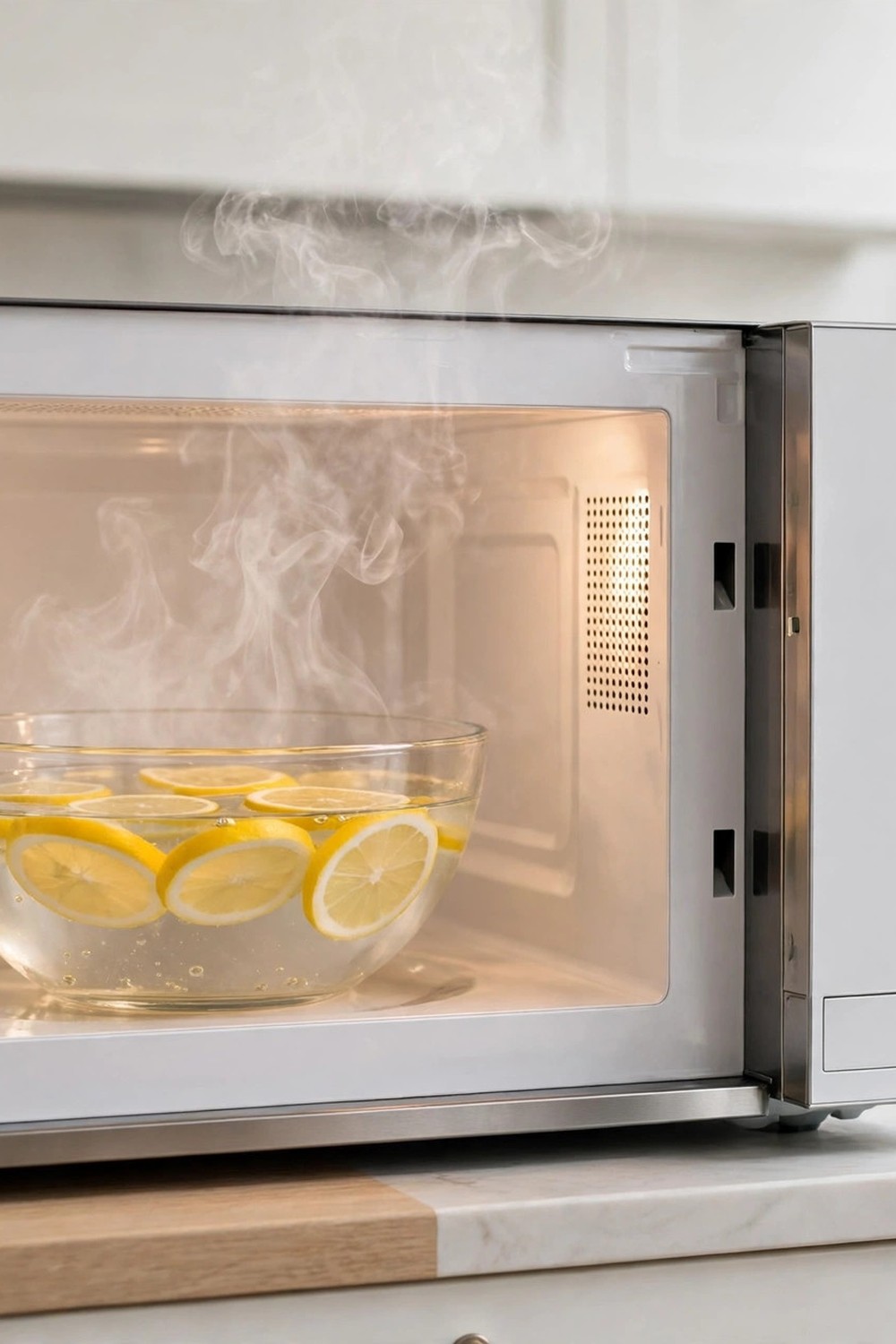
A microwave with baked-on splashes looks worse than it is. Put a bowl of water with a few lemon slices inside, run it for three minutes, and leave the door shut for another five. The steam loosens everything.
Then wipe the inside with a cloth. The splashes should come off with almost no pressure, and the lemon leaves the inside smelling fresh instead of like last week’s leftovers. Wipe the ceiling of the microwave too, because that is where most of the splatter hides.
A microwave steam cleaner works the same way if you would rather have a gadget for it: fill it, heat it, and wipe. Honestly, a bowl and a lemon do the same job, so pick whichever you will actually use.
Carpet Stains: Blot, Never Rub
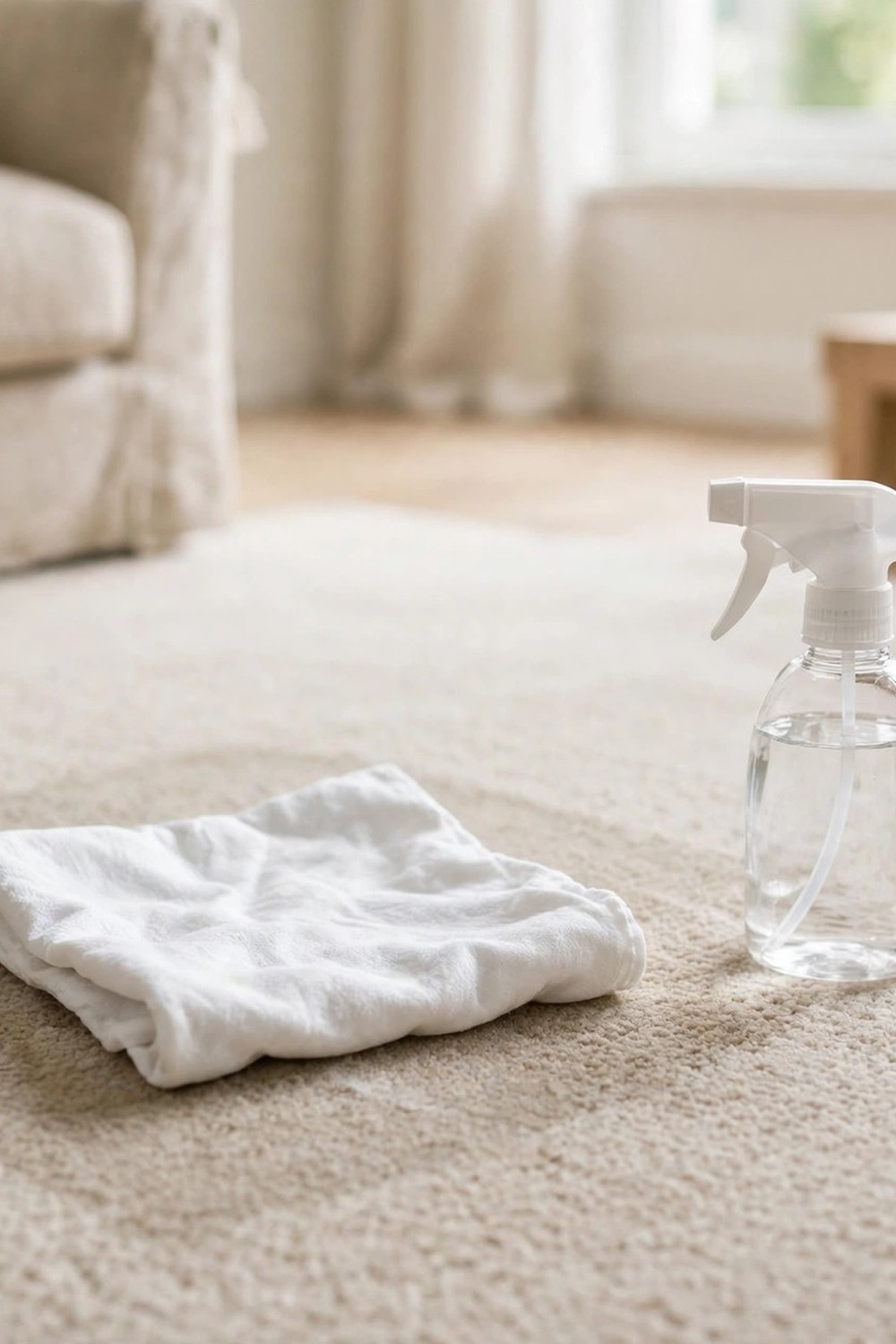
Carpet stains are where deep cleaning hacks get properly tested, and the first rule is the one that saves the most money: blot, never rub. Rubbing pushes the stain deeper and frays the fibres, so the mark spreads instead of lifting.
Press a clean white cloth onto the stain, lift, fold to a fresh section, and press again. For food and drink stains, a little carpet cleaner or a mix of washing-up liquid and warm water on the cloth usually lifts what blotting alone cannot.
Work from the outside of the stain toward the middle so it does not spread. A good carpet stain remover spray is worth keeping under the sink for the moments when a spill happens, because a stain treated in the first five minutes is a stain that usually disappears.
Windows: Squeegee, Top to Bottom
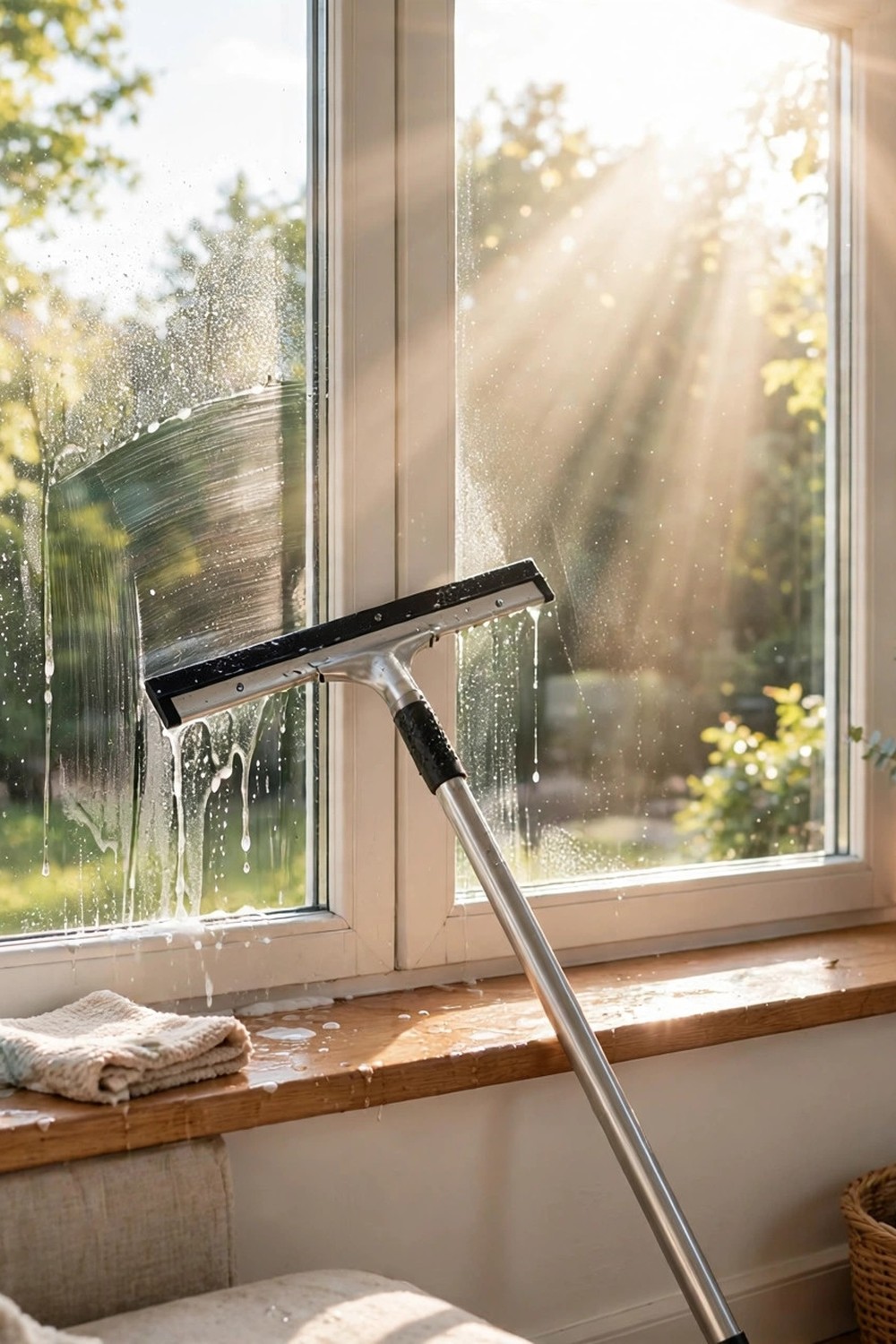
Streaky windows are usually a technique problem, not a product problem. Wash the glass with warm soapy water, then pull a squeegee down in straight overlapping strokes, wiping the blade after each pass.
Pick a cloudy day if you can. Sunlight dries the soapy water before you can squeegee it off, and that is what leaves the streaks. The same goes for hot glass in summer: work in the shade or wait for the evening.
Do the frames and the tracks first, because dirty tracks drip onto clean glass the moment it rains. A window squeegee with a long handle reaches the top panes without a ladder, which is the part that usually puts people off the job entirely.
|
MUST READ: |

Move It or Lose It: Under the Sofa
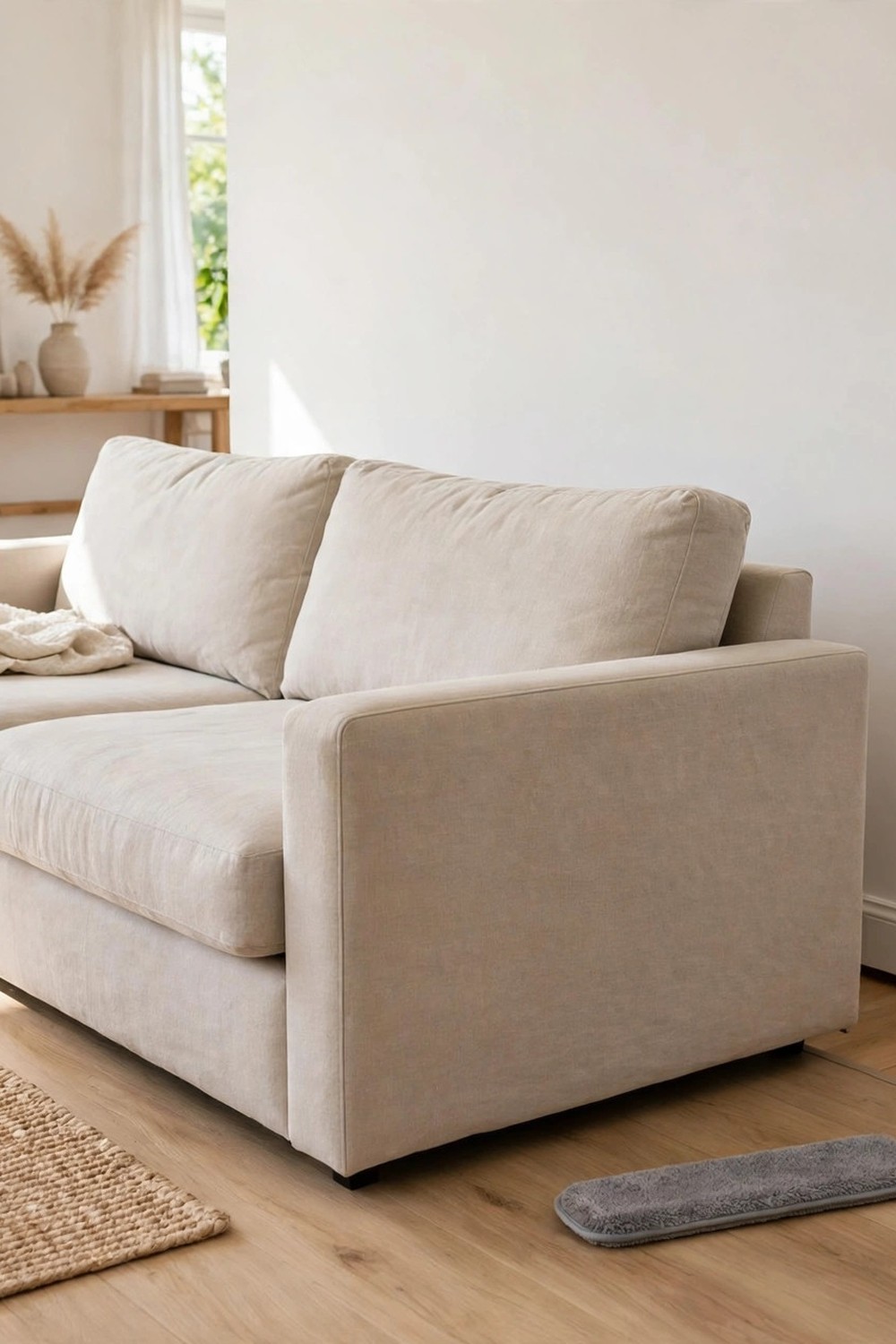
The space under the sofa is where dust, crumbs, and lost things go to hide. Pull the sofa out, even just a little, and the floor underneath tells the whole story. Vacuum it, wipe the skirting behind it, and the room smells fresher straight away.
Do the same behind the bed and the TV stand. These are the spots a weekly clean never reaches, and that is exactly what makes them worth doing properly. A flat duster slides under low furniture without moving anything heavy, which helps on the days your back is not cooperating.
While you are there, check what has collected. An under-furniture flat duster reaches under beds and sofas in one pass, and keeping one by the vacuum means the job gets done instead of getting postponed to next month.

Drains: Baking Soda and Vinegar Fizz
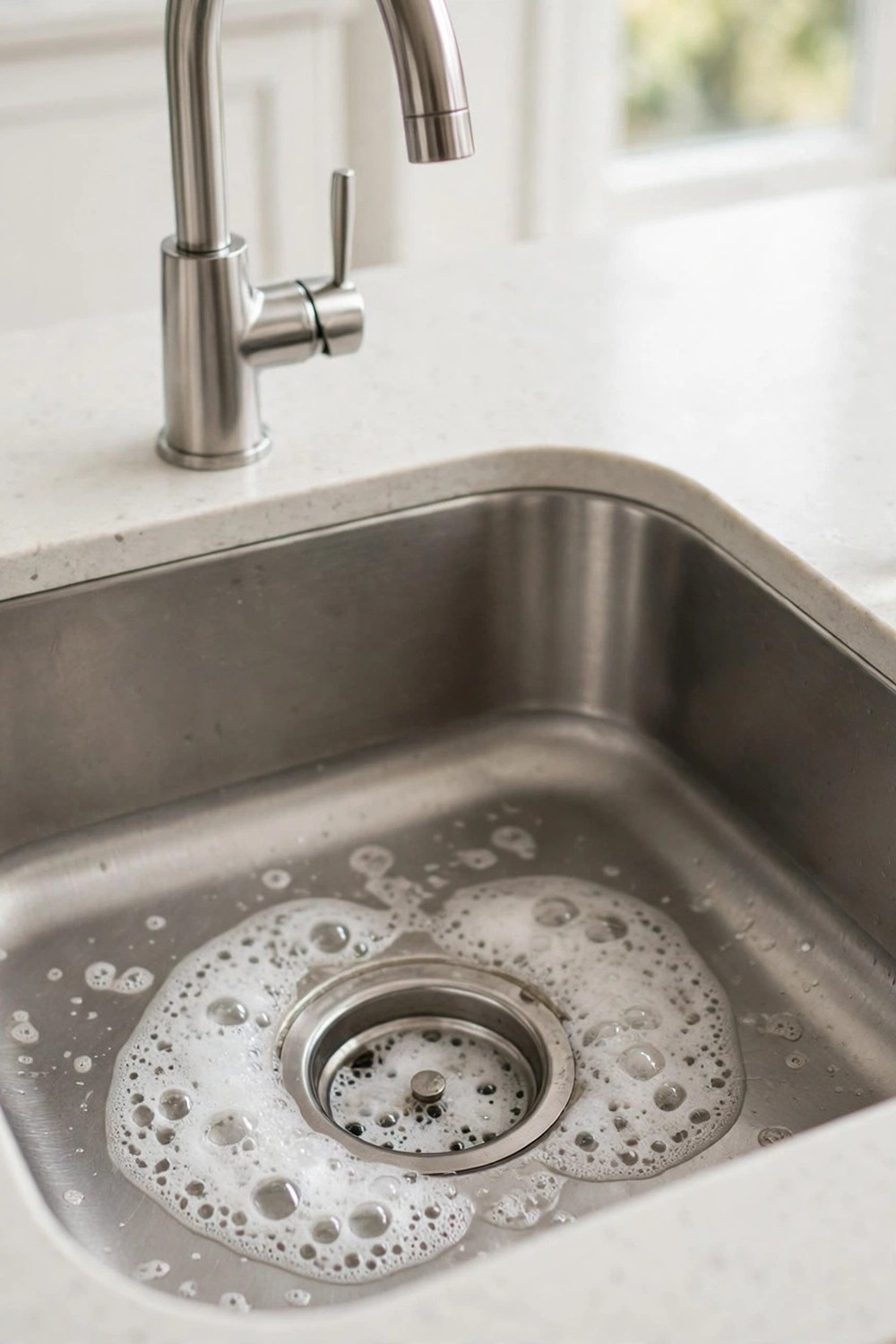
Slow drains usually just need a flush, not a plumber. Pour half a cup of baking soda down the drain, follow it with half a cup of white vinegar, and let it fizz for fifteen minutes. Then flush with a kettle of hot water.
Here is the honest part: the fizz looks dramatic, but the two ingredients neutralize each other, so the hot water and the scrubbing do most of the real work. For a bathroom drain, pull out the hair first, because no amount of fizz dissolves a hairball.
A drain snake or a simple drain strainer stops the problem coming back. Strainers catch the hair before it goes down, and a snake pulls out whatever got past, which beats pouring chemicals down the pipes every month.
Key Facts
- Start high and work down, so dust falls onto floors you have not cleaned yet.
- A fifteen-minute timer turns a whole-house clean into small, winnable jobs.
- White vinegar left overnight dissolves limescale on showerheads.
- Baking soda absorbs mattress odor’s; vacuum it off after at least an hour.
- A baking soda paste and a stiff brush lift most grout stains.
- Dryer sheets wipe baseboards clean and help dust settle more slowly.
- Clean the fridge one shelf at a time instead of emptying it all at once.
- Run the washing machine empty on its hottest cycle once a month.
- Blot carpet stains, never rub, and work from the outside in.
- Never mix bleach with vinegar or other cleaners; check every label first.
FAQ
What is the fastest way to deep clean a house?
Work room by room, top to bottom, with a fifteen-minute timer per room. Start high, let cleaners sit while you move on, and save the floors for last. Most homes feel properly reset after a few focused sessions rather than one exhausting day.
How often should I deep clean my home?
A full reset every two to three months works for most homes, with one room a month if that feels easier. Kitchens and bathrooms need attention more often, while bedrooms and living rooms can wait a little longer between deep cleans.
Can I deep clean with just vinegar and baking soda?
For most jobs, yes. Vinegar cuts limescale and light grease, and baking soda scrubs gently and absorbs odors. Use them one after the other rather than mixed together, keep vinegar off natural stone, and check labels before using anything stronger.
What should I clean first when deep cleaning?
Start with the highest surfaces in each room: ceiling fans, light fixtures, and the tops of cabinets. Dust and debris fall downward, so the floors always come last.
How do I keep the house clean after a deep clean?
Give each room a five-minute weekly wipe of the spots that show first: handles, taps, and the surfaces nearest the stove. Small habits like shoes off at the door and a quick vacuum of high-traffic areas keep the deep clean lasting for weeks.
A Home That Feels Clean Without the Marathon
The secret nobody mentions is that a deep clean is mostly a series of small jobs done in the right order. Fifteen minutes here, a vinegar bag overnight there, and the house quietly transforms without a single lost weekend.
The best deep cleaning hacks are the ones you will actually repeat, so pick three from this list and try them this week. Start with the job that bothers you most, set the timer, and enjoy the moment the room looks and smells clean again.
Sources & Citations
- Driveway Desk, Deep Cleaning House Checklist: Every Room, Plus Time Per Room
- House Fix Academy, How to Deep Clean a House Room by Room
- Savvy Housekeeping, 15 Baking Soda and Vinegar Cleaning Hacks That Actually Work
- Sunlight Cleaning NY, The Ultimate Deep Cleaning House Checklist
- WonderHowTo Housekeeping, Home Cleaning Hacks That Save Hours Weekly

Enjoying our content? Make us a preferred source on Google.





Add comment