
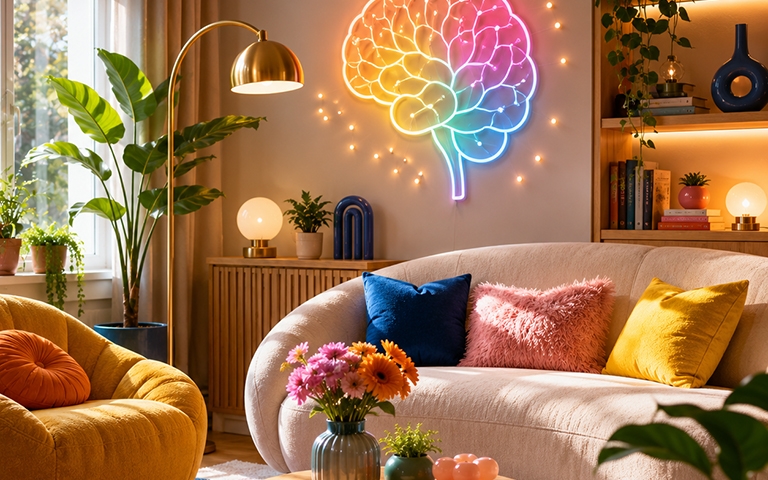
Viral design movement rewriting interior design

6 years specializing in budget furnishing, outdoor decor, and seasonal trends — every piece she covers is firsthand-tested or research-verified.
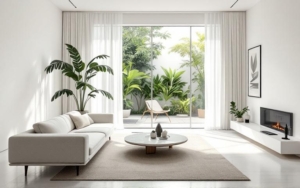
For nearly a decade, interior design worshipped at the altar of restraint. Greige walls. Clean lines. “Timeless” neutrals that looked expensive but felt emotionally vacant. Homes became Instagram-ready showrooms – beautiful, yes, but strangely hollow – the kind of spaces where you hesitated before putting down a coffee mug.
Then something shifted.
Call it pandemic fatigue. Call it exhaustion from economic uncertainty and emotionally draining news cycles. Or call it what it really is: a collective realization that our homes are not backdrops for our lives – they’re active participants in them.
Enter dopamine decor.
This isn’t just another design trend with a catchy hashtag. It’s a fundamental rethinking of why we decorate in the first place. And according to both design psychologists and the millions of TikTok users flooding #dopaminedecor with content, it might be the most important movement in interior design since minimalism took hold.
What Dopamine Decor Actually Means
Let’s clear up the neuroscience first. Dopamine décor doesn’t literally flood your brain with neurotransmitters the moment you hang a yellow curtain. What it does do is leverage well-established principles of environmental psychology to create spaces that trigger positive emotional responses.
Dr. Sally Augustin, a leading environmental psychologist, has long documented how color, pattern, and sensory variety influence mood, stress levels, and even cognitive performance. Dopamine décor takes these findings out of academic journals and applies them to your living room.
The core principle is disarmingly simple: surround yourself with things that make you feel good. Not things that impress your guests. Not things that photograph well. Things that genuinely, personally spark joy. As one Reddit user perfectly captured it: “This is your home. Make it happier than the outside world.“
|
MUST READ: |
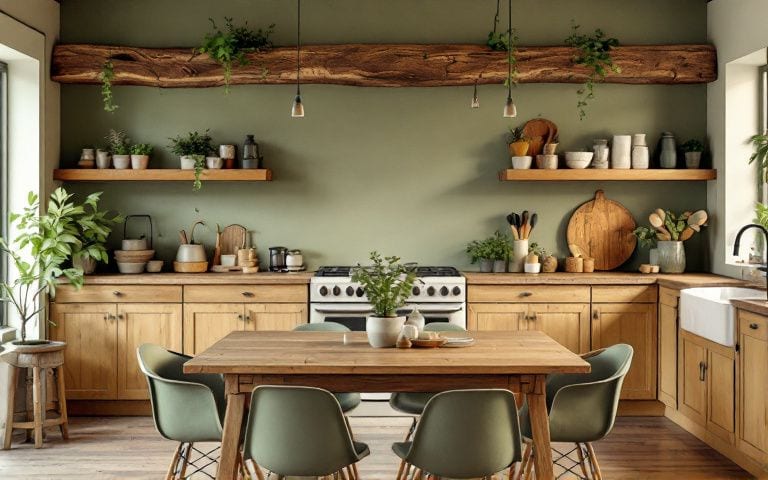
The Seven Pillars of a Dopamine-Designed Home
After analyzing both the practical design guides and the deeper psychological research, seven consistent elements emerge. Think of them as ingredients in a recipe – you don’t need all of them, but understanding each helps you cook with intention.
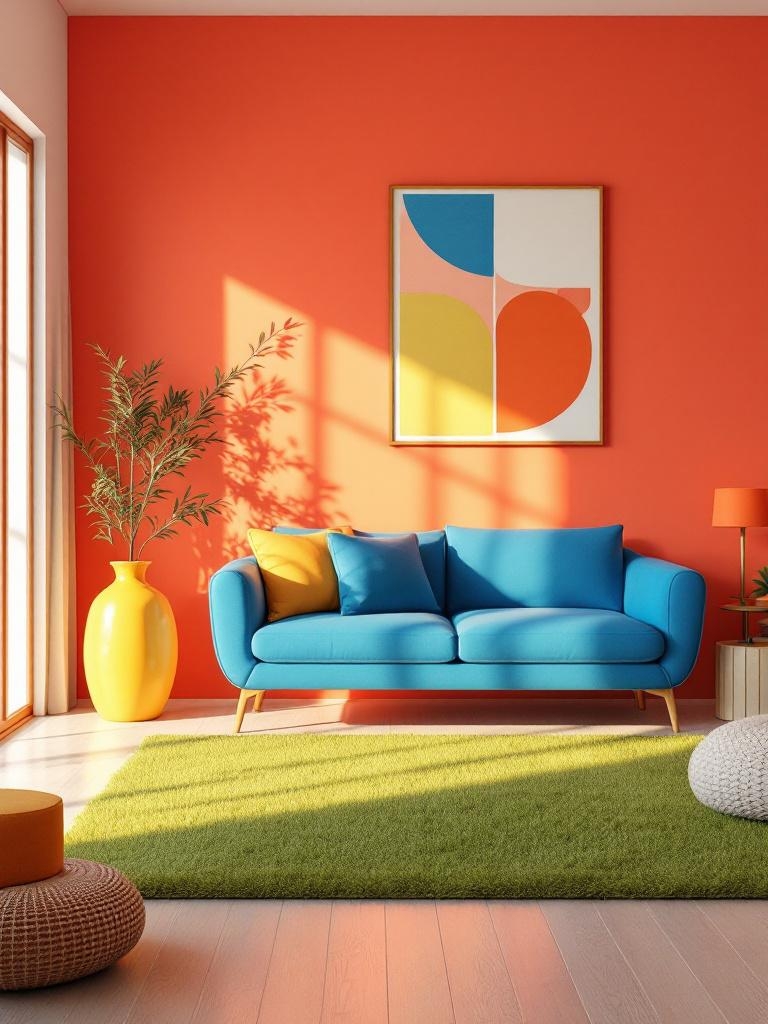
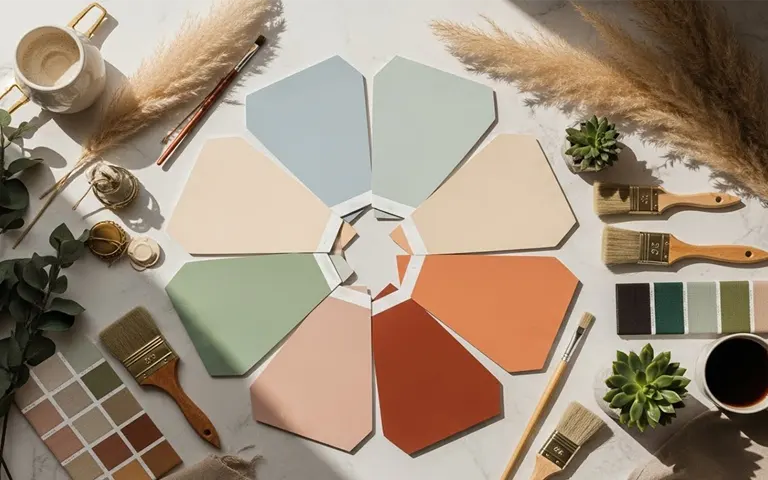
Color is the foundation, and the palette is broader than you might think. Sunshine yellows trigger serotonin pathways associated with warmth and optimism. Electric blues activate creative thinking. Hot pinks and corals generate energy and playfulness. Lush greens connect us to nature’s restorative effects.
But here’s the crucial insight from design experts: it’s not about random brightness. It’s about personal resonance.
For some, happiness looks like a coral accent wall reflecting golden-hour light. For others, it’s a single emerald reading chair in an otherwise calm room. The dopamine approach rejects the idea that there’s one “correct” happy color. Your joy palette is as individual as your fingerprint.
Practical application: Start with one dopamine-friendly hue. Paint an accent wall. Choose a bold sofa. Even vibrant accessories – vases, lamps, framed prints – can shift a room’s emotional temperature.
Pattern as Visual Rhythm
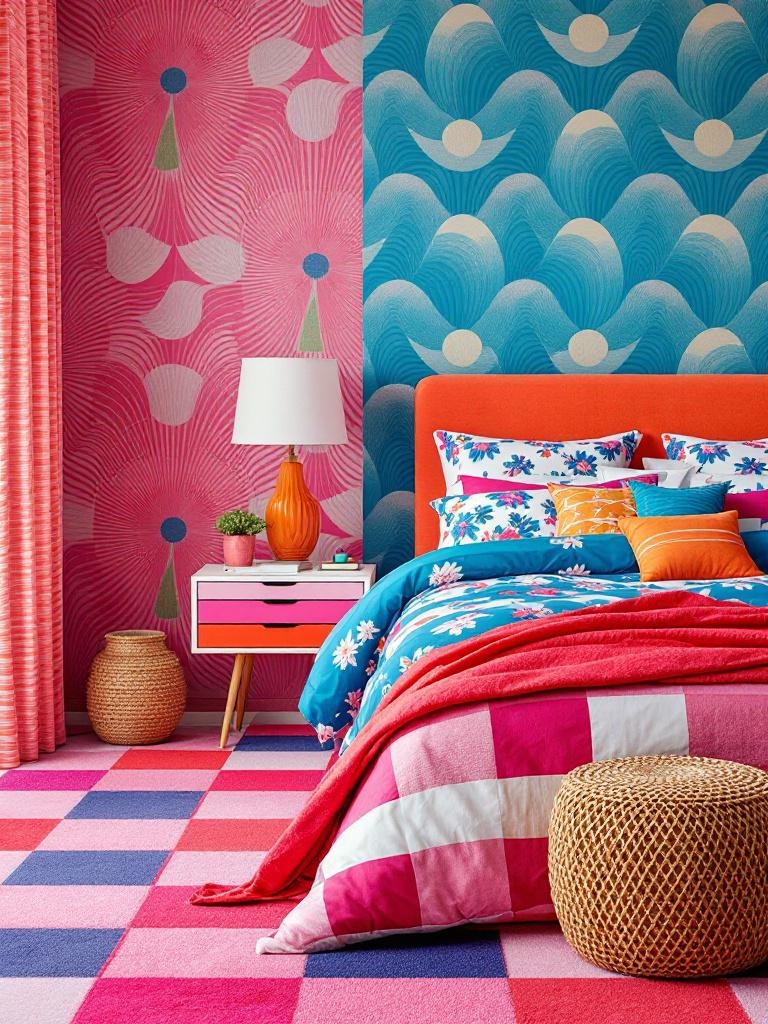
If color is melody, pattern is rhythm. And dopamine decor loves complex, unexpected rhythms. Checkerboard rugs – pink-and-red wave wallpaper. Floral bedding in bright blues layered over striped textiles. The human brain is a pattern-recognition machine, and unexpected visual combinations create micro-moments of cognitive delight.
The rule: Mix contrasts deliberately. Geometric against organic. Large-scale against small. Busy against calm. Matching is optional. Character is mandatory.
Art That Talks Back
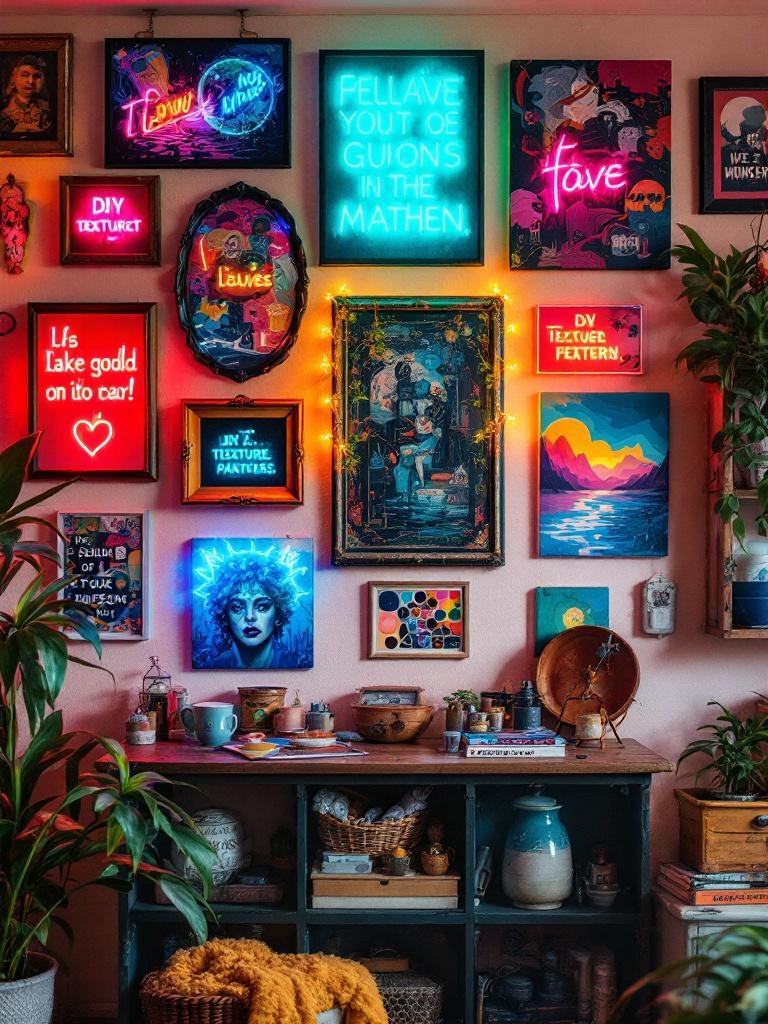
Gallery walls have evolved from coordinated frames to autobiographical statements. The dopamine approach treats walls as the inside of your mind made visible.
Mix mediums without apology: neon signs with quotes that make you laugh, DIY abstract paintings in happy hues, 3D textured pieces that beg to be touched, vintage finds with stories attached. Layer different styles, eras, and emotional tones.
The most joyful homes don’t look like showrooms. They look like someone interesting lives there.
Light as Mood Medicine
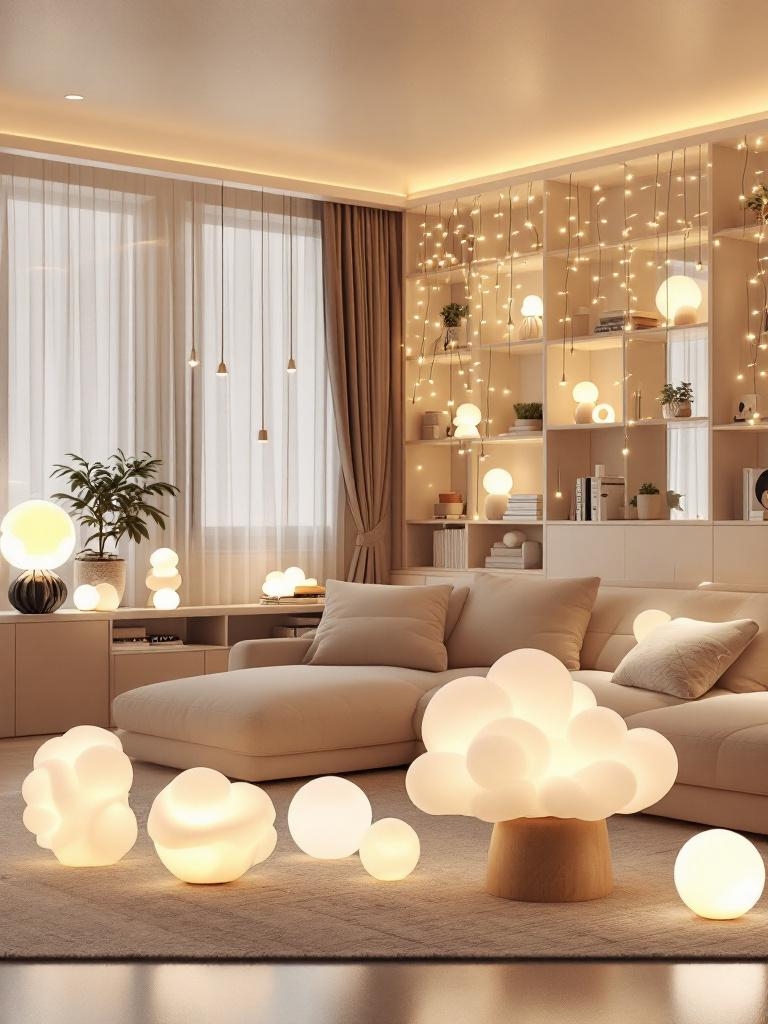
We’ve underestimated lighting for too long. In the dopamine framework, light isn’t functional – it’s emotional technology.
LED color-changing bulbs can shift from energizing daylight to warm sunset amber, restructuring your entire day. Sculptural lamps in playful shapes (clouds, bubbles, abstract blobs) add personality even when off. Fairy lights draped over mirrors or bookshelves create ethereal, cozy atmospheres that no overhead fixture can match.
The insight: Light transforms space more dramatically than any paint color. Start here for maximum impact.
Texture as Tactile Joy
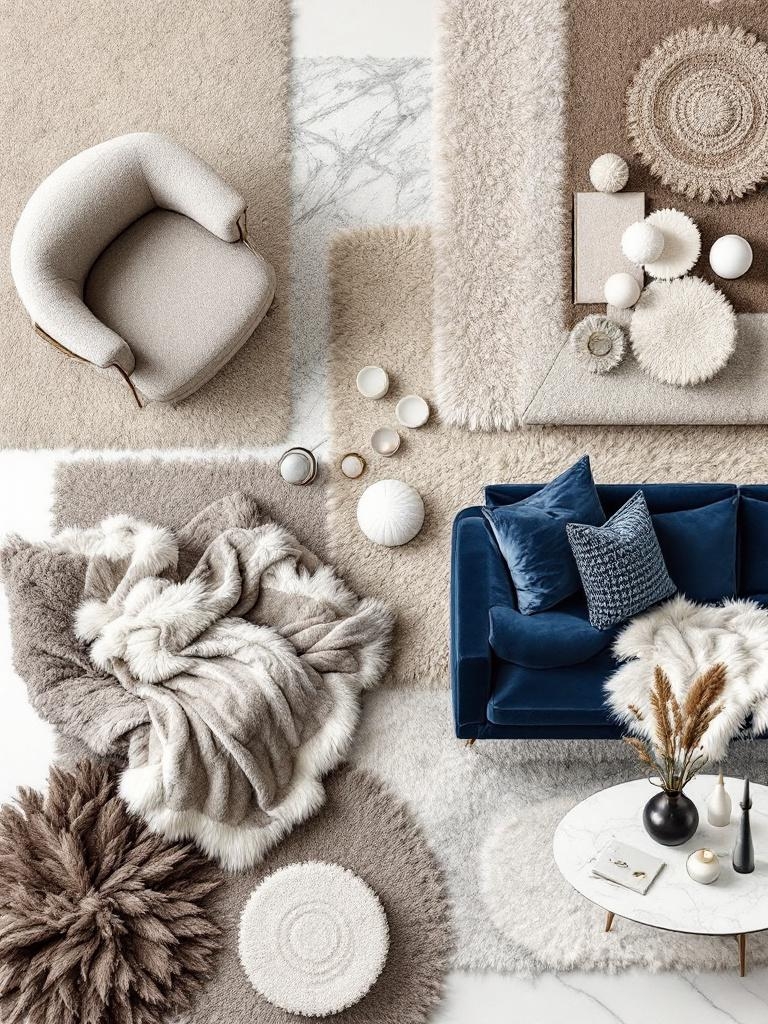
In an increasingly digital world, physical texture becomes precious. Bouclé chairs with their nubby loops. Deep sapphire velvet sofas. Shag rugs that sink underfoot like forest moss. Faux fur throws that demand evening cuddles.
The smartest dopamine spaces deliberately layer contrasting textures: smooth leather beside plush velvet, cool marble against warm wool, fluffy sherpa paired with sleek ceramics. This sensory variety keeps a room engaging long after the initial visual impact fades.
Furniture That Plays
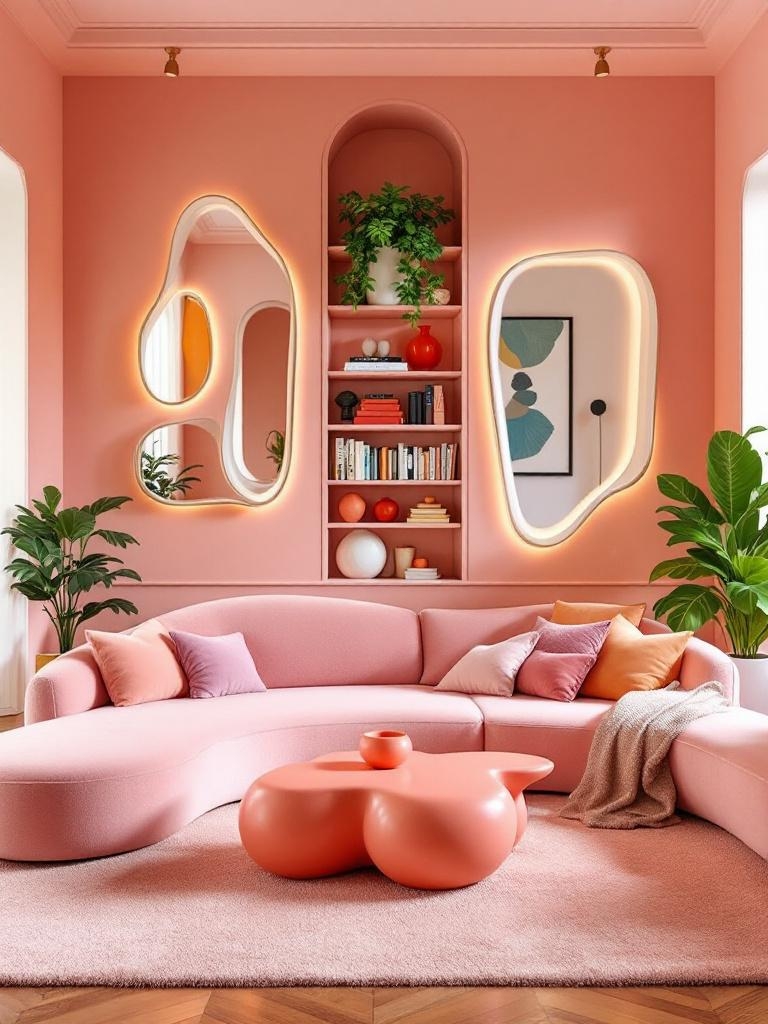
Straight lines and right angles have dominated for decades. Dopamine décor asks: Why so serious? Curved sofas that invite conversation. Bubble coffee tables in bright coral. Wavy mirrors that refuse to reflect the world conventionally. Irregular bookshelves that turn storage into sculpture.
These forms feel organic, approachable, and slightly whimsical. They remind us that furniture can have personality – that a room can feel like it’s smiling at you.
Functional Joy
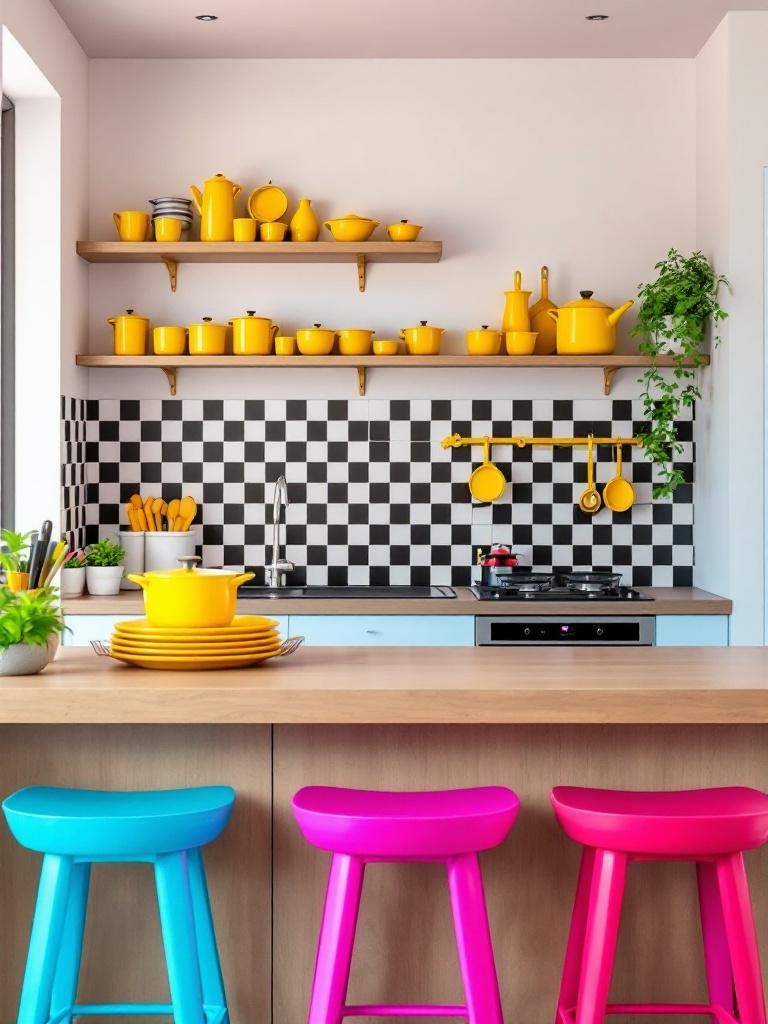
Even practical spaces deserve delight. A kitchen with bright yellow cookware, a checkerboard backsplash, and barstools in clashing electric blue and pink doesn’t just look fun – it functions as a daily mood boost every time you make coffee.
The dopamine philosophy rejects the idea that “serious” spaces must be dull. If anything, the rooms where we perform daily rituals deserve the most attention, because we spend the most time in them.
|
MUST READ: |
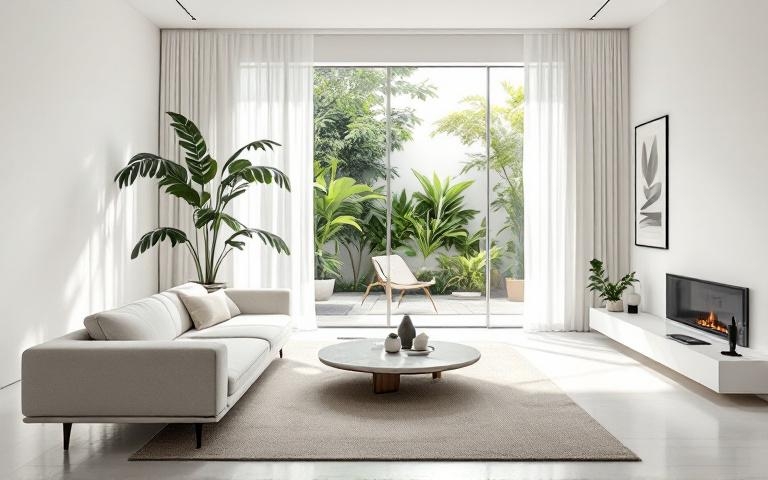
Dopamine Décor vs. Maximalism: Understanding the Difference
This is where many people get confused. Dopamine decor often overlaps with maximalism, but they are not the same thing.
Maximalism focuses on abundance: more layers, more objects, more visual density. It focuses on emotional impact. It’s curated maximalism. Intentional abundance.
You don’t need clutter – you need intention. Every piece should earn its place not by being expensive or trendy, but by contributing to your personal joy equation. A single perfectly chosen neon sign can deliver more dopamine than a room stuffed with random colorful objects.
As designers emphasize, the goal is perceptual pleasure and sensory stimulation, not visual chaos.
Can It Work in Small Spaces? Absolutely!
Small spaces often benefit most from dopamine principles. A bright lamp, a colorful throw, a statement mirror, or a compact gallery wall can completely transform the mood without requiring renovation.
The best starting points:
- Entryways (first impressions matter)
- Home offices (where energy directly impacts productivity)
- Reading corners (intimacy amplifies emotional effect)
- Bathroom shelves (unexpected joy in utilitarian spaces)
- Kitchen accents (daily ritual enhancement)
Even designers recommend gradual change over instant transformation. Choose one area that feels dull and ask: “What would make me genuinely happy here?“
The Balance Between Joy and Calm
Here’s the sophisticated insight that separates thoughtful dopamine décor from mere trend-following: happy doesn’t look the same to everyone.
Some people find peace in neutral interiors with strategic colorful accents. Others feel most alive in the midst of full creative chaos. Some need the energy of hot pink and tangerine; others find their joy in deep teal and lavender.
The real lesson? Dopamine decor is not about copying someone else’s happiness. It’s about discovering your own.
This is why the movement has resonated so deeply. In an era of algorithm-driven aesthetics and influencer-approved sameness, dopamine decor permits being personal. To be weird. To be yours.
The Deeper Philosophy: Why This Movement Matters
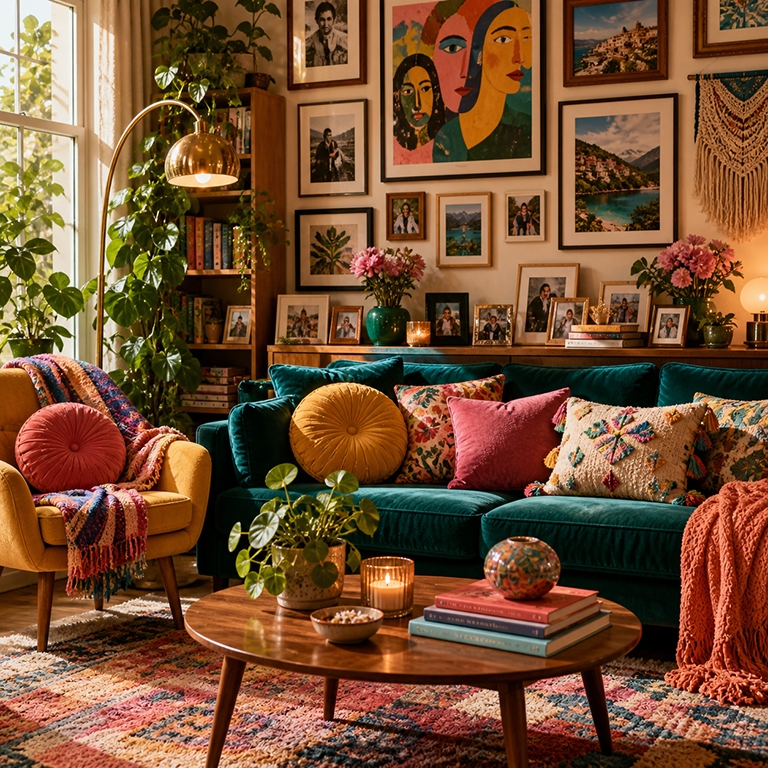
What makes dopamine décor significant isn’t the specific colors or patterns. It’s the underlying shift in intention.
For years, we designed homes to impress others – neutrals that wouldn’t offend, layouts that photographed well, “investment pieces” that signaled taste. We lived in spaces that looked like luxury hotel lobbies: beautiful, expensive, and slightly impersonal.
Dopamine decor asks a different question: How do I want to feel when I wake up? When I come home exhausted? When I’m alone on a Sunday morning?
The answer will be different for everyone. But the question itself is revolutionary.
|
MUST READ: |
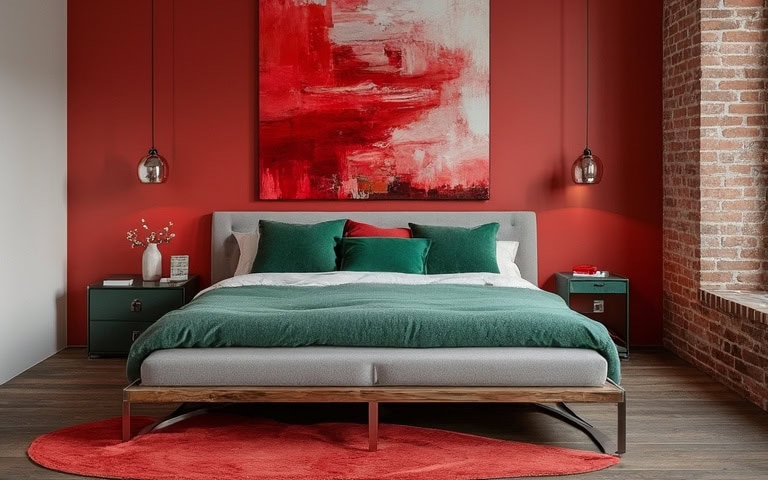
Starting Your Dopamine Journey
You don’t need to overhaul your home. The approach works in increments:
The Single Swap: Replace one neutral item with something that makes you grin – a lamp, a vase, a throw pillow.
The Joy Corner: Designate one small area as your dopamine zone. A reading nook in colors that energize you. A vanity with lighting that makes you feel like the main character.
The Daily Touchpoint: Identify the first thing you see when you wake or the last before sleep. Make that one thing beautiful in a way that feels specifically, personally joyful.
The Emotional Audit: Walk through your home and notice where your energy drops. That’s your starting point. Not the room that needs “updating” – the room that needs uplifting.
Frequently Asked Questions
What is dopamine decor in simple terms?
Dopamine decor is a design approach focused on creating spaces that spark genuine happiness. Instead of following trends, it prioritizes colors, textures, and objects that emotionally resonate with you and improve your mood through intentional, personalized design choices.
Do I need to use bright colors everywhere?
No. Dopamine decor isn’t about constant brightness – it’s about emotional impact. For some, joy comes from bold hues; for others, it’s subtle accents in a calm space. The goal is to use color intentionally, not overwhelmingly.
Is dopamine décor the same as maximalism?
Not exactly. Maximalism emphasizes more – more objects, layers, and visual density. Dopamine decor emphasizes meaning. It’s about curating items that bring joy, even if the space remains relatively minimal.
Can I apply dopamine decor on a budget?
Absolutely. Small changes – like adding colorful pillows, thrifted art, or unique lighting – can make a big difference. The focus is on emotional value, not price or brand.
Where should I start if my home feels dull?
Start with one small area you interact with daily – like a corner, desk, or entryway. Add one item that makes you smile. Build gradually based on how each change makes you feel.
|
MUST READ: |
Key Takeaways
- Dopamine decor is about designing for emotion, not aesthetics alone
- Personal joy > trends – your taste is the blueprint
- Small, intentional changes can transform how a space feels
- Color, light, texture, and shape all influence mood and energy
- It’s not about more stuff – it’s about meaningful curation
- Even functional spaces deserve moments of delight
- Your home should act as a daily source of comfort, energy, and happiness
The Bottom Line
We spend approximately 90% of our lives indoors. The spaces we inhabit aren’t passive backdrops – they’re active ingredients in our wellbeing. Dopamine decor isn’t about excess or trend-chasing. It’s about the radical act of making your home a place that genuinely supports your happiness.
In a world that often feels heavy, there’s something quietly revolutionary about choosing joy as you walk through your front door and feeling, instantly, more alive.
Your home should be the best reward at the end of a hard day. Not a catalog. Not a showroom. A happiness hub.
Design it like you mean it.



Add comment